Australia is set to overhaul its counterterrorism framework, introducing a new law that would for the first time allow the government to designate foreign state entities—including Iran’s Islamic Revolutionary Guard Corps (IRGC)—as terrorist organisations.
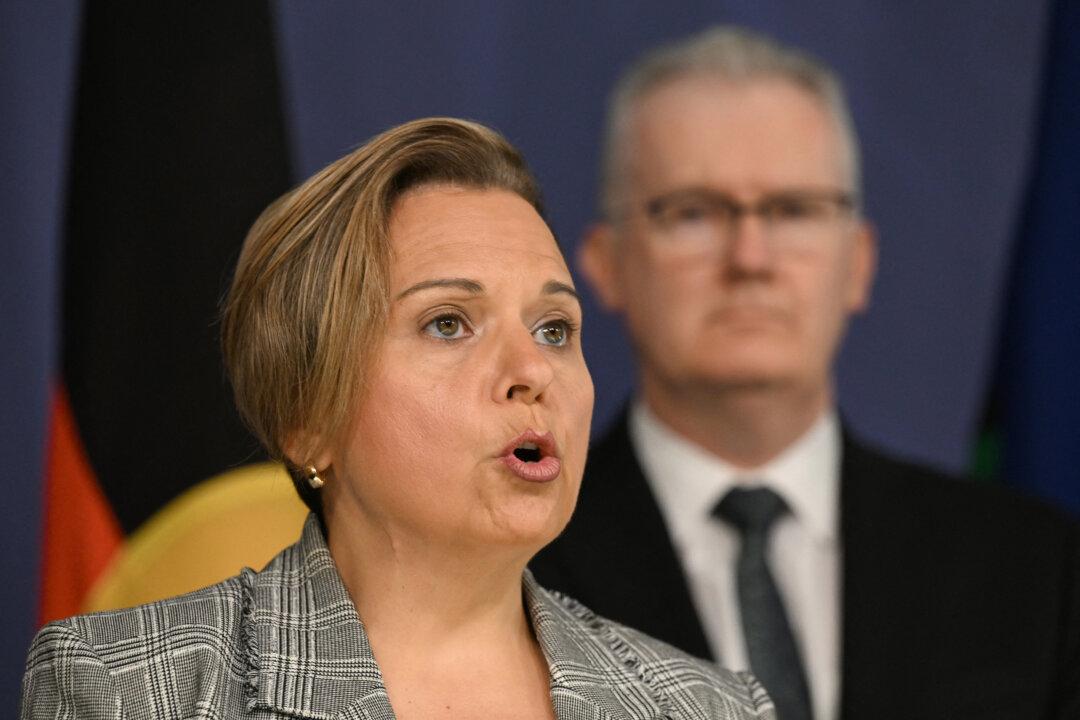
Communications Minister Michelle Rowland introduced the Criminal Code Amendment (State Sponsors of Terrorism) Bill 2025 to Parliament on Oct. 8.
“The bill strengthens Australia’s counterterrorism framework, creating an environment in which it is more difficult, more risky, and more costly for malicious foreign actors to cause Australia and our community harm,” Rowland said.
She added that the new bill is a warning for any foreign state that seeks to intimidate or coerce Australia through violence.
“As our security environment changes, it is incumbent on the Parliament to respond to new and emerging threats in a firm yet measured manner. This bill achieves that balance,” she said.
What the New Bill Will Change
The proposed Bill introduces a framework to designate foreign state actors as “state sponsors of terrorism,” filling what Rowland described as a “critical gap” in existing law.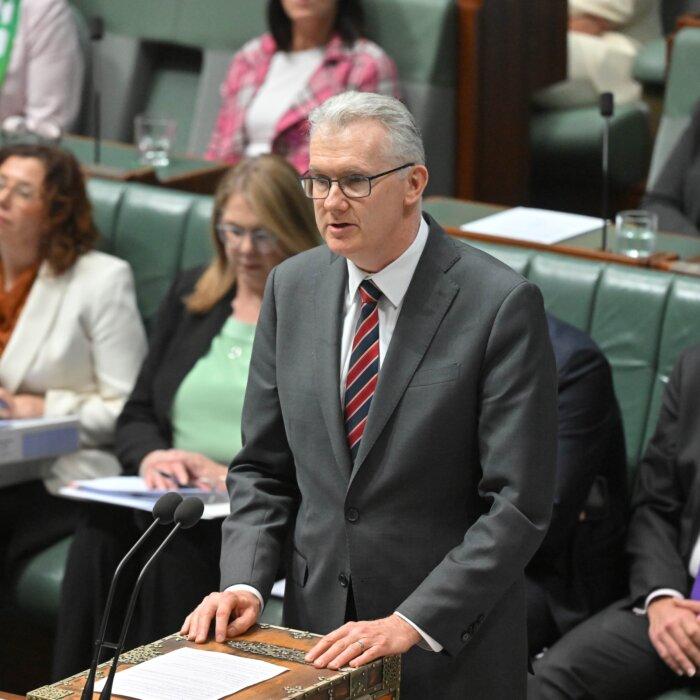
Previously, Australia could only list non-state groups—such as Hamas—as terrorist organisations.
“The government has taken the necessary time to get this framework right,” Rowland said. “We have worked constructively across portfolios and jurisdictions to ensure the scheme is robust, appropriately balanced, and targeted.”
Under the new framework, the government may list any foreign entity found to have directly or indirectly supported, planned, or advocated terrorist acts targeting Australia. Once listed, it would become a criminal offence to be a member of, or provide material support, funding, or training to that entity.
The bill also criminalises interactions with listed state sponsors of terrorism—including coordination, information sharing, or logistical assistance—except in cases where legitimate contact is unavoidable, such as consular work or diplomatic negotiations.
Law enforcement and intelligence agencies will gain expanded powers to investigate and disrupt state-sponsored terrorist activity, while the Australian Federal Police and ASIO will be authorised to use existing counterterrorism tools under the extended regime.
What is IRGC?
Established in 1979 after Iran’s Islamic revolution, the Islamic Revolutionary Guard Corps serves as both the guardian of Iran’s theocratic regime and a powerful political and economic force.Reporting directly to Supreme Leader Ayatollah Ali Khamenei, the IRGC operates independently from Iran’s regular military and controls significant sectors of the nation’s economy, including construction, energy, and telecommunications.
Internationally, the IRGC has long been accused of orchestrating proxy conflicts and funding armed groups across the Middle East.
Its elite Quds Force—the organisation’s external operations branch—has provided weapons, training, and financial support to groups including Hezbollah in Lebanon, Hamas in Gaza, and the Houthis in Yemen.
The IRGC is already listed as a terrorist organisation by the United States and has been sanctioned by several other Western nations.
ASIO Findings and Diplomatic Fallout
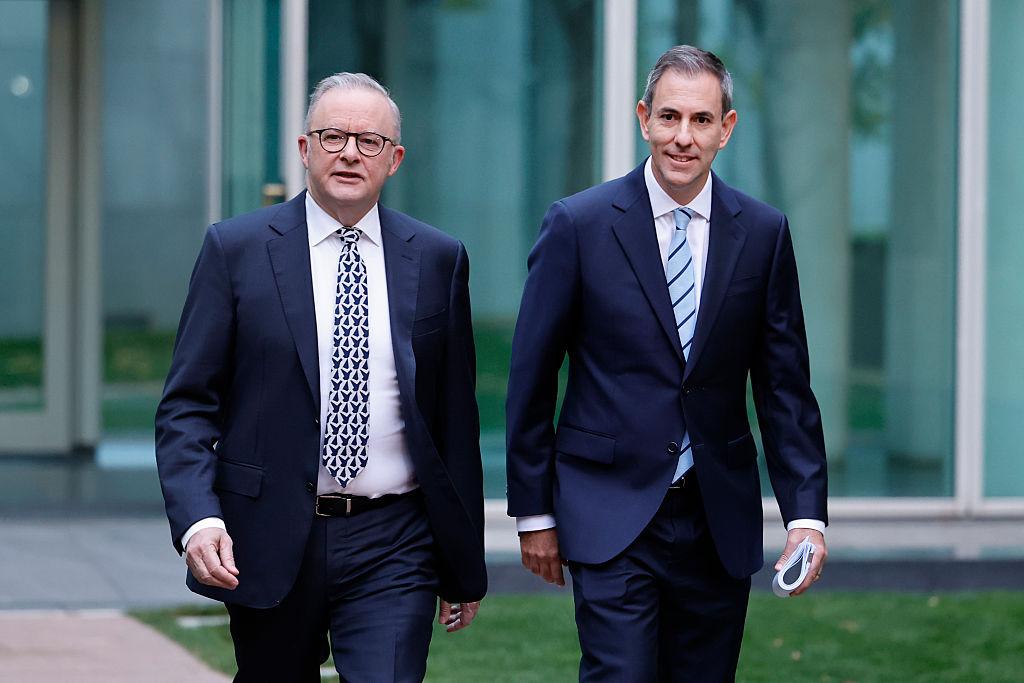
Prime Minister Anthony Albanese announced in August that ASIO had uncovered evidence linking the IRGC to anti-Semitic attacks in Sydney and Melbourne.He said Iran’s government had directed the Oct. 20, 2024, arson attack on Lewis Continental Kitchen in Sydney and the Dec. 6, 2024, firebombing of the Adass Israel Synagogue in Melbourne.
“ASIO has now gathered enough credible intelligence to reach a deeply disturbing conclusion that the Iranian government directed at least two of these attacks. Iran has sought to disguise its involvement,” Albanese said.
In response, Canberra expelled Iranian Ambassador Ahmad Sadeghi and declared three other Iranian officials persona non grata. The government also suspended embassy operations in Tehran.
Rowland said the latest legislative changes would ensure that any state entity, not just non-state actors, could face legal and diplomatic consequences for sponsoring or committing acts of terrorism.
“In introducing and seeking passage of this bill, the government is standing with all Australians against hatred, violence, and division,” she said. “I urge the entire Parliament to do the same.”