Amid ongoing regional competition, the Albanese government has unveiled a $250 million investment package to further expand Australia’s economic influence in Southeast Asia.
Australia will channel $175 million into IFM Investors’ Asia-Pacific Debt Fund and US$50 million into a new Southeast Asia Public-Private Partnership (PPP) investment fund established by infrastructure group Plenary.
Both investments will be administered by Export Finance Australia (EFA) through the $2 billion Southeast Asia Investment Financing Facility (SEAIFF).
The government said the measures are designed to strengthen Australia’s commercial ties with ASEAN nations, which collectively represent a market of nearly 700 million people and are projected to become the world’s fourth-largest economy by 2040.
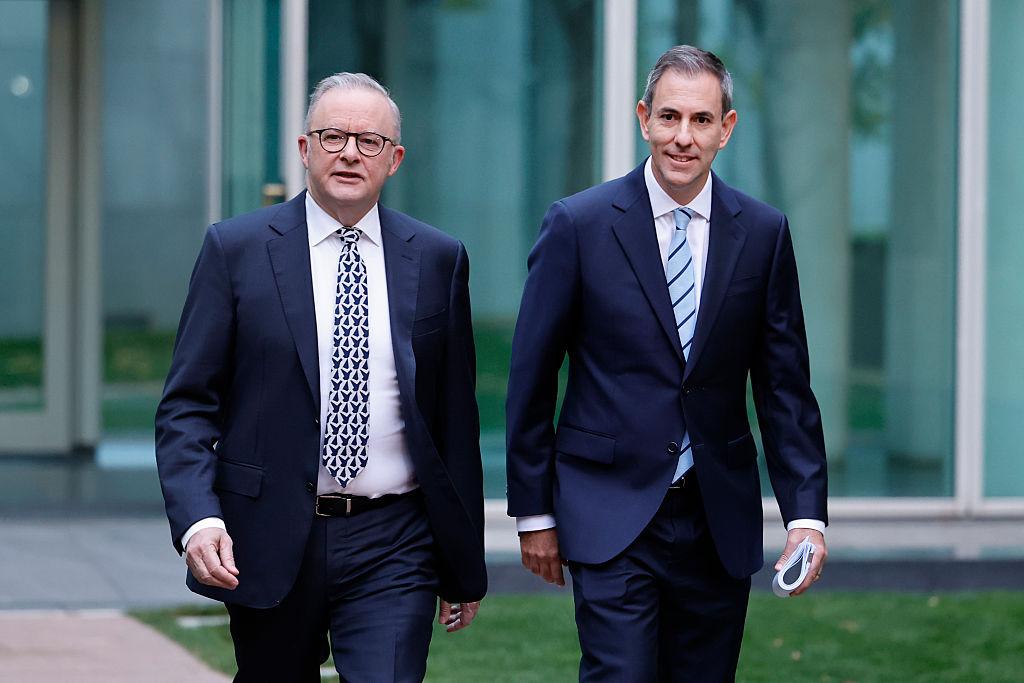
“These investments represent a major step forward in my government’s delivery of our Southeast Asia Economic Strategy,” Prime Minister Anthony Albanese said at the ASEAN Summit in Kuala Lumpur on Oct. 27.
“A quarter of a billion dollars to kick-start Australian investments in the region and back the growth of Australian companies. These investments will boost exports and supply chains, helping grow jobs back home,” he added.
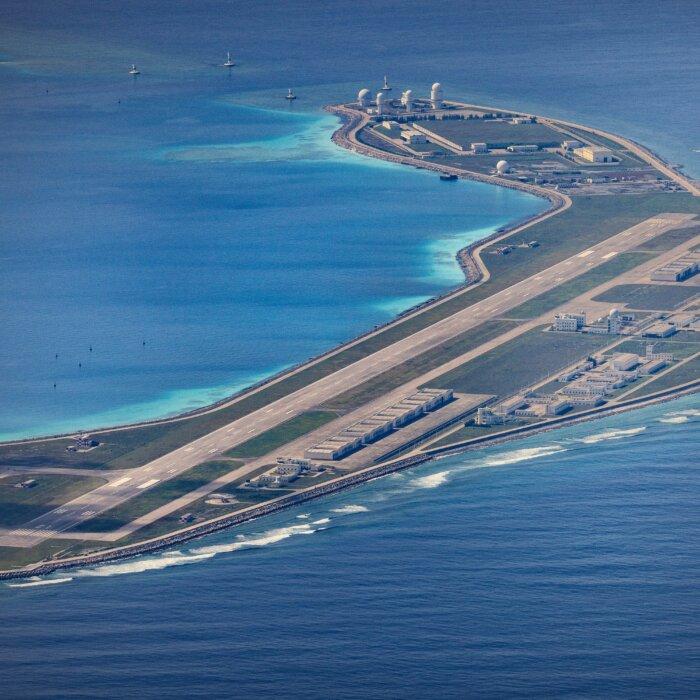

The funding for IFM Investors will target projects in renewable energy, telecommunications, and logistics, while the Plenary fund will support essential infrastructure such as hospitals, transport systems, and schools, using Australian expertise to deliver large-scale developments.
Foreign Minister Penny Wong said the new initiatives build on almost $1 billion of fresh Australian investment already delivered through the government’s “Invested” strategy.
“Trading and investing more in our region means more opportunities for Australian businesses to grow, creating more Australian jobs and boosting our economic prosperity and resilience,” she said in a statement shared by the department.
Japan Meeting on Security
On the sidelines of the summit, Albanese met Japan’s new prime minister, Sanae Takaichi, in Kuala Lumpur.The meeting—Takaichi’s first with a foreign leader since taking office—centred on reinforcing defence and supply-chain cooperation between the two allies.
Takaichi told Albanese she wanted to “promote strategic cooperation with Australia” and strengthen the Quadrilateral Security Dialogue (Quad) involving the United States, Japan, Australia, and India.
“I also hope that our two countries can spearhead efforts so that we can push a free and open Indo-Pacific,” she said. “Japan and Australia both have the will and capacity to realise these aspirations.”
Albanese congratulated her on her election and reaffirmed Canberra’s commitment to regional security.
“We both stand up for freedom in the Pacific and in our region, and our recent decision to purchase the Megami-class frigates just takes that defence and security relationship to another level,” he said.
According to Japanese officials, both leaders exchanged views on strategic challenges in East Asia, including the regional implications of China’s military build-up.
They also discussed export controls and critical minerals, agreeing to strengthen cooperation on supply-chain resilience and economic security.