The federal government has eased fuel stockpile requirements, allowing companies to release hundreds of millions of litres of petrol and diesel to help relieve shortages in regional Australia.
Energy Minister Chris Bowen announced that Australia will temporarily reduce its Minimum Stockholding Obligation (MSO), a policy that requires fuel importers and refineries to keep minimum levels of fuel in domestic storage.
Under the change, the diesel stock requirement will fall from 2.7 billion litres to 2.2 billion litres, while petrol reserves will be reduced from 1 billion litres to 700 million litres.
Bowen said the adjustment would help fuel companies respond more quickly to supply disruptions and rising demand.
“The Albanese government will help address fuel supply chain disruption by releasing up to 20 percent of the baseline Minimum Stockholding Obligation for petrol and diesel,” he said.
Regional Areas Prioritised
The government said the extra fuel would be directed to areas where shortages have been most severe, particularly regional, agricultural, and maritime communities.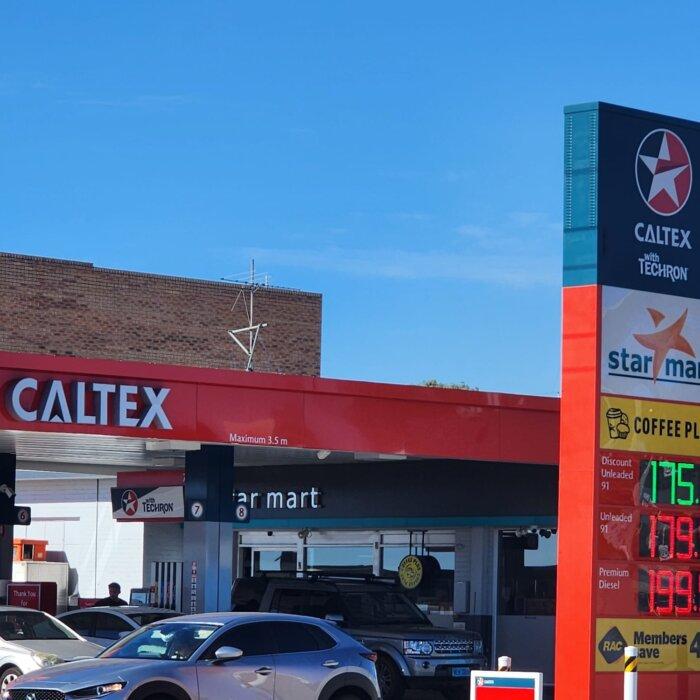

Companies will only be allowed to reduce stockpile levels if they prioritise deliveries to regional customers and ensure supply flows to independent distributors.
Bowen said recent demand surges had strained distribution networks despite fuel shipments continuing to arrive in Australia.
“We continue to see expected ships arrive in our ports. However, a huge spike in demand has led to local shortages in many parts of regional Australia, and imports will come under further pressure should the conflict in the Middle East continue,” he said
He urged motorists not to panic-buy fuel.
“There is no need to stockpile or hoard fuel—take what you usually need so that no one has to go without,” Bowen said.
The move follows another measure announced a day earlier, when the government temporarily relaxed Australia’s fuel quality standards to boost domestic supply and ease pressure on prices.
For 60 days, the government is allowing fuel with slightly higher sulphur levels to be sold inside Australia. This fuel usually cannot be sold domestically.
Oil Prices Surge as Conflict Escalates
The policy shift comes as tensions in the Middle East begin to affect global fuel markets.Iran is increasingly targeting oil tankers in the Persian Gulf in what analysts say could be an attempt to push global fuel prices higher.
A U.S.-owned crude tanker, Safesea Vishnu, flying the Marshall Islands flag, was attacked near Basra on March 11, killing one Indian crew member, according to the Indian Embassy in Baghdad. The remaining 15 crew members were evacuated to safety.
Regional maritime security agencies also reported additional strikes on commercial vessels in the Persian Gulf and the Strait of Hormuz, a critical shipping route that carries roughly 20 percent of the world’s oil and gas supply.
Iraq’s State Oil Marketing Company (SOMO) said another tanker, the Maltese-flagged Zefyros, was also attacked in Iraqi territorial waters, underscoring growing risks to global energy supply chains.
The escalating conflict is already affecting on oil markets. On March 12, Brent crude climbed $5.95, or 6.47 percent, to $97.93 per barrel, after earlier touching $100 per barrel during trading. U.S. West Texas Intermediate crude also rose $5.25, or 6 percent, to $92.50 per barrel.