The Queensland and federal governments have signed off on a record $7.1 billion infrastructure package for the 2023 Olympic and Paralympic Games in Brisbane—the largest investment in sporting facilities in Australian history.
The deal includes a $3.4 billion federal contribution and finalises months of negotiation over how to fund the Games’ venue program, which will overhaul stadiums and build new facilities across the state.
After a tense infrastructure review, both governments agreed to a 50-50 funding split for most projects.
Victoria Park Stadium to Replace Scrapped Arena
The original $2.5 billion Brisbane Arena was shelved earlier this year during a 100-day infrastructure review that questioned its value for money.Instead, the Queensland government now aims to secure private sector backing for a downsized version.
“A market-led proposal with private interest will provide better benefits for taxpayers,” Bleijie told ABC radio.
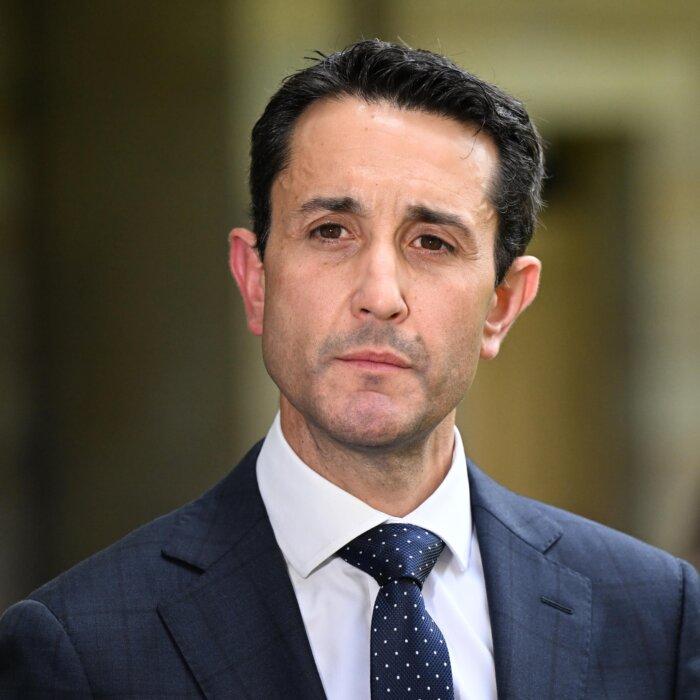
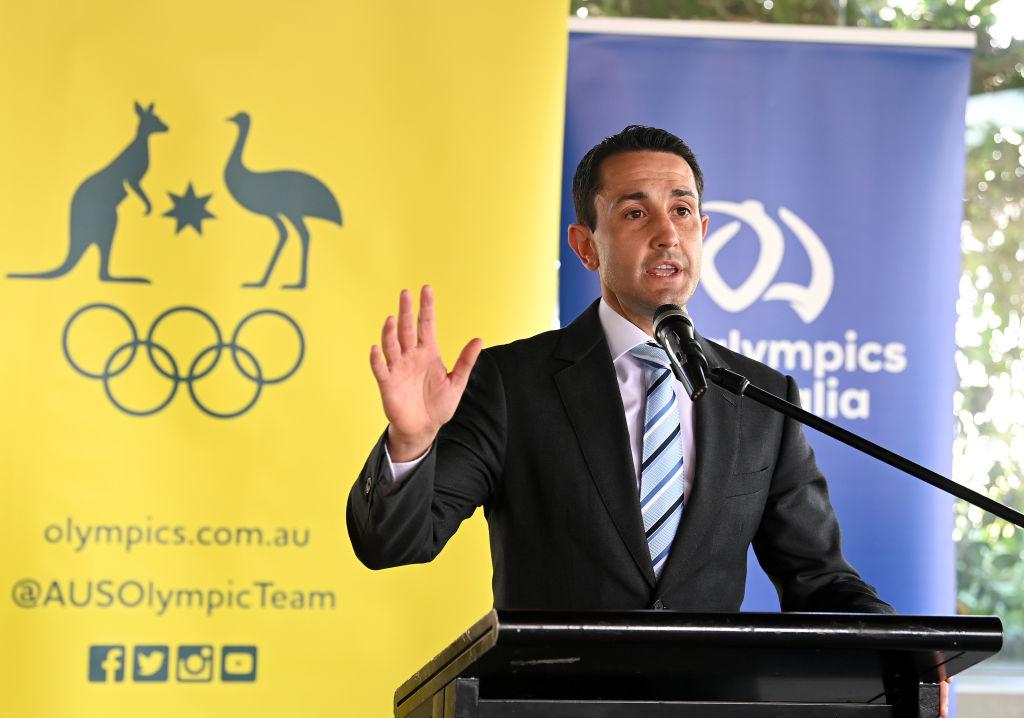
Victoria Park will now host a $3.7 billion stadium set to become the Games’ centrepiece. This venue will host the opening and closing ceremonies, athletics events, and later serve as a home for AFL and cricket in Queensland.
Geotechnical testing and soil studies are already underway at the site, with cultural heritage assessments soon to follow.
2026 Start for Construction, Rowing Venue Unconfirmed
Brisbane 2032’s organising committee president Andrew Liveris welcomed the renewed momentum behind the delivery plan, saying it marked a “significant shift in forward momentum” following the Queensland government’s announcement in March of its 2032 Delivery Plan.Major construction is expected to begin before the end of 2026.
However, uncertainty remains over the Olympic rowing venue. International officials have yet to greenlight the Fitzroy River in Rockhampton as a viable venue, though the state government says it remains “very committed to hosting rowing on the Fitzroy.”
Budget Blowout and Planning Controversies
Queensland’s first Olympic budget under Treasurer David Janetzki has allocated $145.5 million for venue infrastructure this year alone, with spending expected to surge to $1.7 billion over the next four years.This includes nearly $1 billion for athletes’ villages and $832 million for venue delivery.
Federal Infrastructure Minister Catherine King framed the deal as a legacy opportunity for the state.
“It is about ensuring that when we hand the keys back after the closing ceremony, Queensland has the infrastructure it needs to build on this incredible legacy for decades to come,” she said.
However, to speed up construction, the state government has passed controversial legislation that exempts Olympic sites from 15 key planning laws, including environmental and heritage protections, sparking criticism from advocacy groups concerned about the long-term consequences.