Australian Foreign Minister Penny Wong says no one wants a full-scale war in the face of U.S. strikes on Iranian nuclear facilities over the weekend.
While the minister addressed multiple media sources on June 23, she has so far neither confirmed nor denied the possibility of an Australian presence should tensions escalate.
“We have all agreed, the world has agreed, Iran cannot be allowed to get a nuclear weapon,” Wong told Radio National.
“So, yes, we support action to prevent that, and that is what this is.
“But I would make this point: the big question is now what? We do not want escalation in a full-scale war and we continue to call for dialogue and diplomacy.”
Wong said she was “deeply concerned” over the risk of global instability.

“It is right to call for diplomacy and de-escalation at this point because we do not want to see escalation and a full-scale war in the Middle East,” she said.
“That would be devastating for the people of the region and it would be a bad thing. It would be obviously highly disruptive to global stability.
“I think it is important to remember that the facilities that were struck only existed for the purpose of Iran’s nuclear program. That’s what we are talking about.”
‘Wong has Endorsed our Position’: Hastie
Australia’s shadow spokesman for foreign affairs and former SAS member, Andrew Hastie, hinted at a slow response from the Labor government in forming bipartisan support on the issue.“I’m glad to see that Penny Wong has essentially endorsed our position and I’m glad we have bipartisanship on this, that the world, as she said, has agreed Iran cannot be allowed to get a nuclear weapon,” he told Radio National.
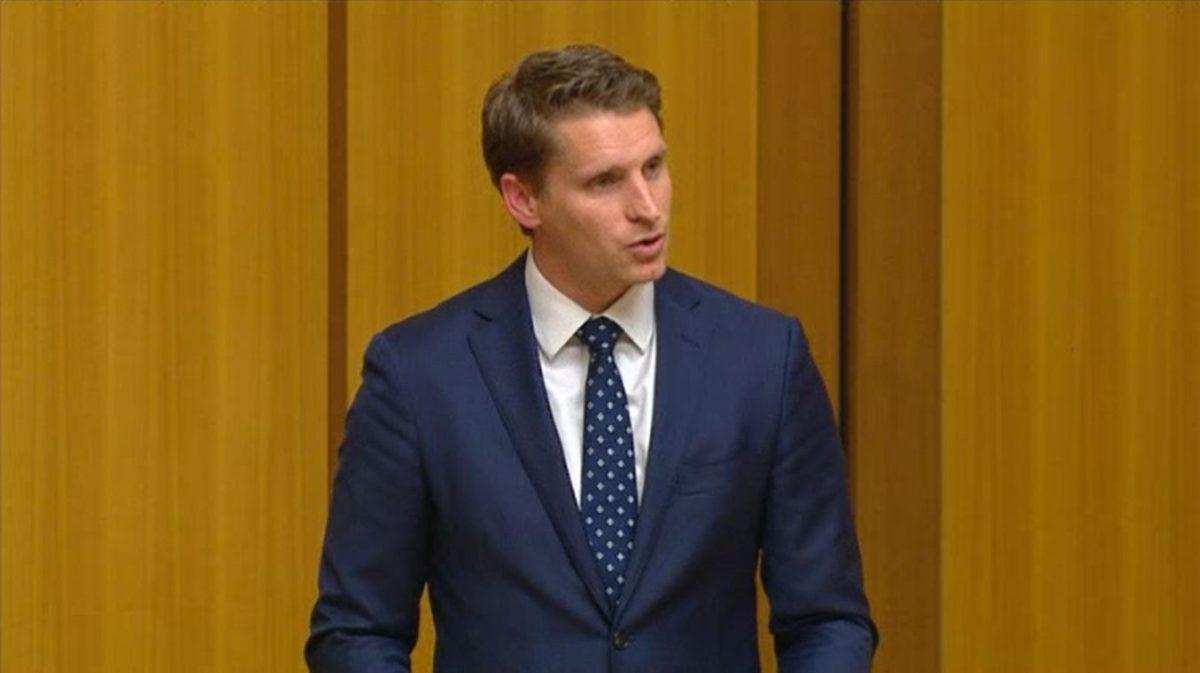
“We support those strikes, and now we want to see dialogue and diplomacy.
“We want to see a peaceful settlement from here. And I’m just not going to speculate on what steps might be taken next.”
The conflict broke out on June 13 when Israel launched surprise attacks on the Islamic Republic’s missile capabilities, citing suspicions the Iranian regime was close to developing nuclear weapons.
On the weekend, Hastie told the ABC that the “deeply ideological regime” in Iran had developed 60 percent enriched uranium, something he said only has one purpose—weaponry.
He also cited David Albright, an expert with the Institute of Security and International Affairs, who believed Iran could have been days away from a nuclear weapon.
The shadow minister suspects that the weapon could have been destined for Israel.
Time for Peace, Trump Says
U.S. President Donald Trump announced yesterday that the United States had launched a “very successful” attack on three nuclear sites in Iran, including Fordow, Natanz, and Esfahan.Just days before, he had called for Iran’s unconditional surrender.
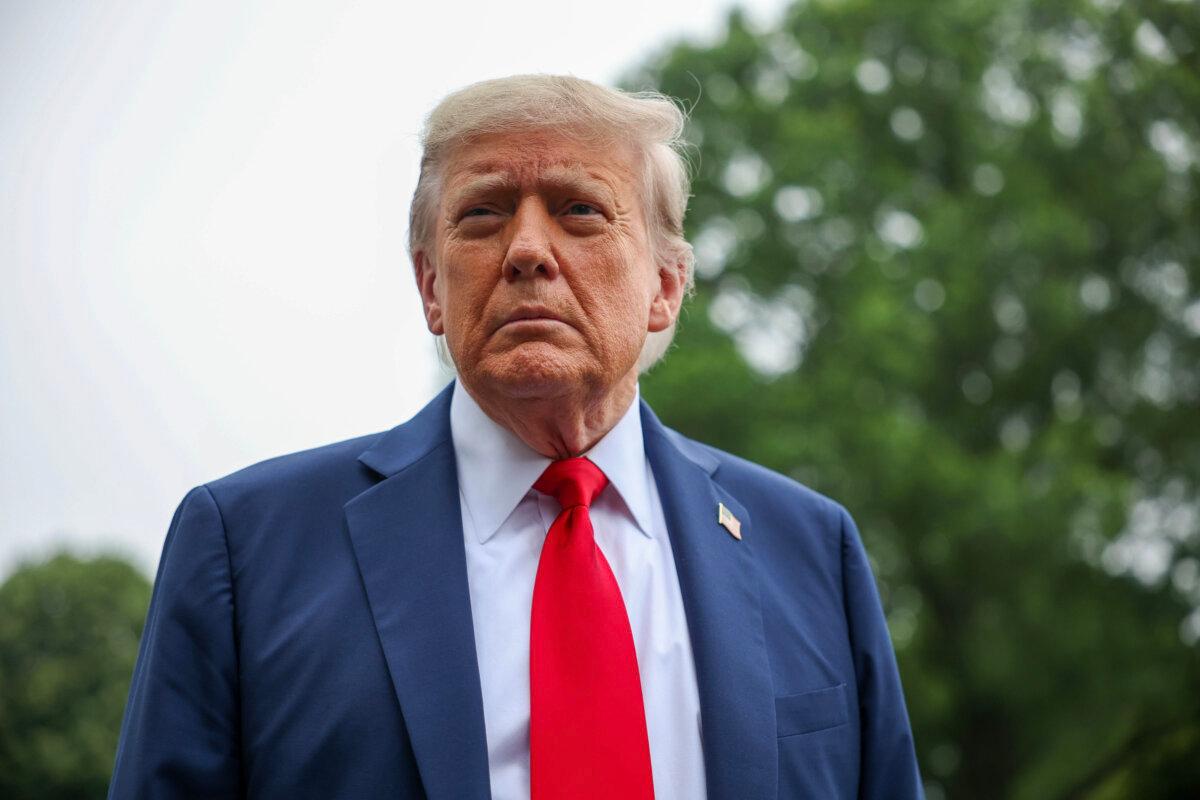
“There is not another military in the world that could have done this. Now is the time for peace.”
U.S. Secretary of Defence Peter Hegseth said he believed America’s action in Iran sent a clear signal.
“Tehran is calculating the reality that planes flew from the middle of America in Missouri overnight, completely undetected, over three of their most highly sensitive sites,” he told media.
“And we were able to destroy nuclear capabilities, and our boys in those bombers are on their way home right now.
“We believe that'll have a clear psychological impact on how they view the future.”
Former Australian Ambassador to the U.S. Arthur Sinodinos told AAP that he would be “very surprised” if Australian troops became involved in any escalating conflict.
“I don’t think the government or the political establishment here are suggesting that we just follow whatever the U.S. is going to do,” he said.
There has been no suggestion so far that U.S. or Australian troops will be involved on the ground in Iran.