The Labor government and the Opposition have welcomed a new agreement between the United States and Iran, expressing hope it will help ease tensions in the Middle East and reduce pressure on global energy markets.
Pakistani Prime Minister Shehbaz Sharif, who first broke the news, said both sides had declared an “immediate and permanent termination of military operations on all fronts, including in Lebanon”.
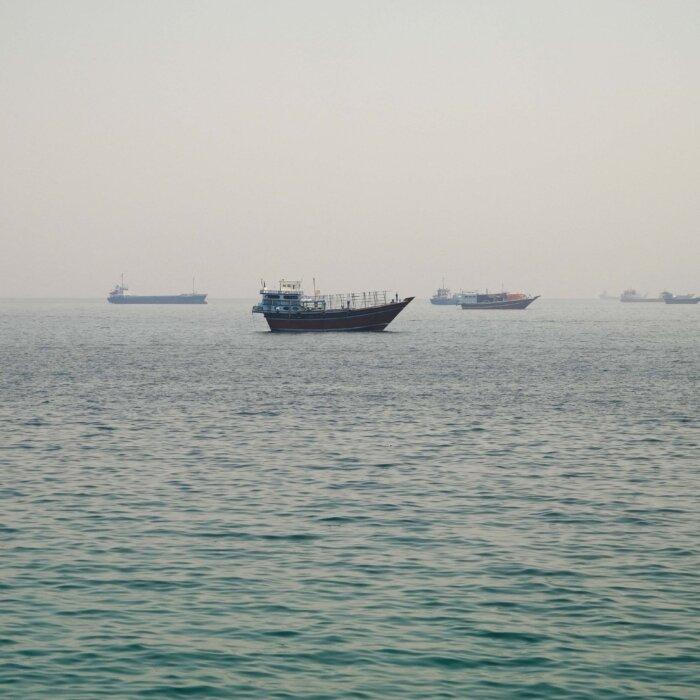
While the full details of the agreement have not been disclosed, Trump has agreed to remove the naval blockade of the Strait of Hormuz, restoring access to one of the world’s most important shipping corridors.
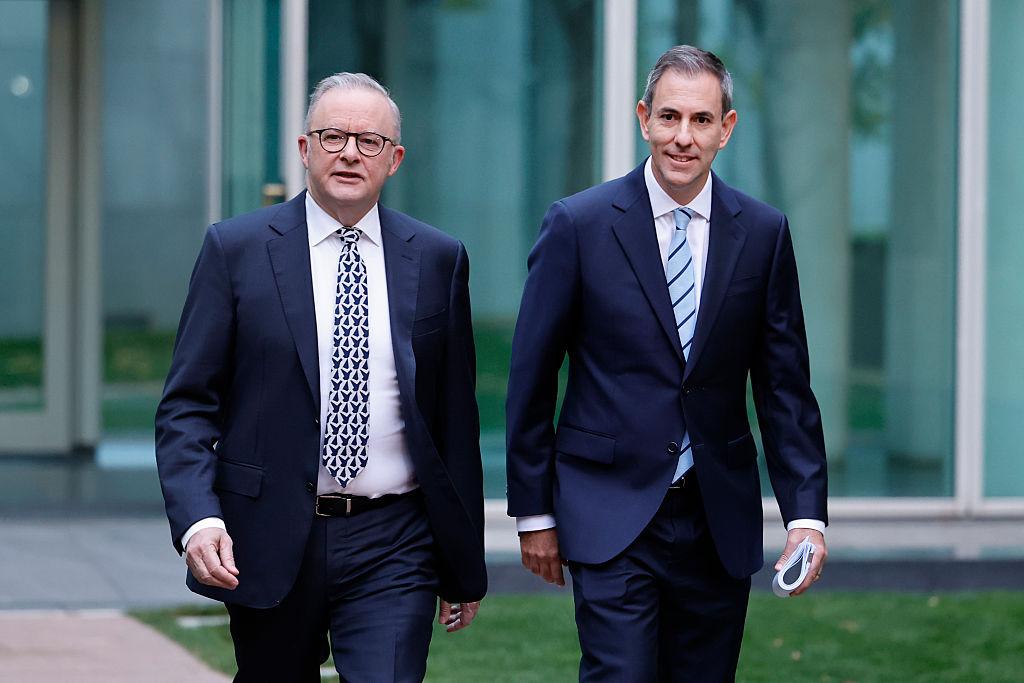
In a joint statement issued on June 15 (Australian time), Prime Minister Anthony Albanese and Foreign Minister Penny Wong said Australia supported efforts to bring an end to the conflict and prevent further escalation in the region.
“Australia has long called for de-escalation and an end to the conflict, including in Lebanon. As we have said, the longer this war goes on, the greater the impact will be,” the statement read.
The two leaders said the success of the agreement would depend on restraint from all parties and continued diplomatic engagement.
“We are pleased the agreement between the United States and Iran includes steps towards reopening the Strait of Hormuz and the restoration of freedom of navigation,” the statement read.
“While full recovery will take time, restoring this vital trade corridor is essential to easing pressure on energy prices and economies, including in our region.”
Coalition Welcomes the Deal but Seeks Details
Opposition Leader Angus Taylor also backed efforts to end the conflict, while calling for greater clarity on how the agreement will be implemented.Taylor noted that a lasting deal must be durable, enforceable and capable of keeping the Strait of Hormuz open.
At the same time, he criticised the Labor government over Australia’s absence from this year’s G7 Leaders Summit in France, arguing Australia should have had a stronger presence during discussions affecting global security and energy markets.
“At a time when decisions are being made that will affect Australian fuel prices, energy security and regional stability, Australia should be at the table,” he said.
“Australia must stand with our partners, defend freedom of navigation and protect Australians from the worst impacts of global instability.”