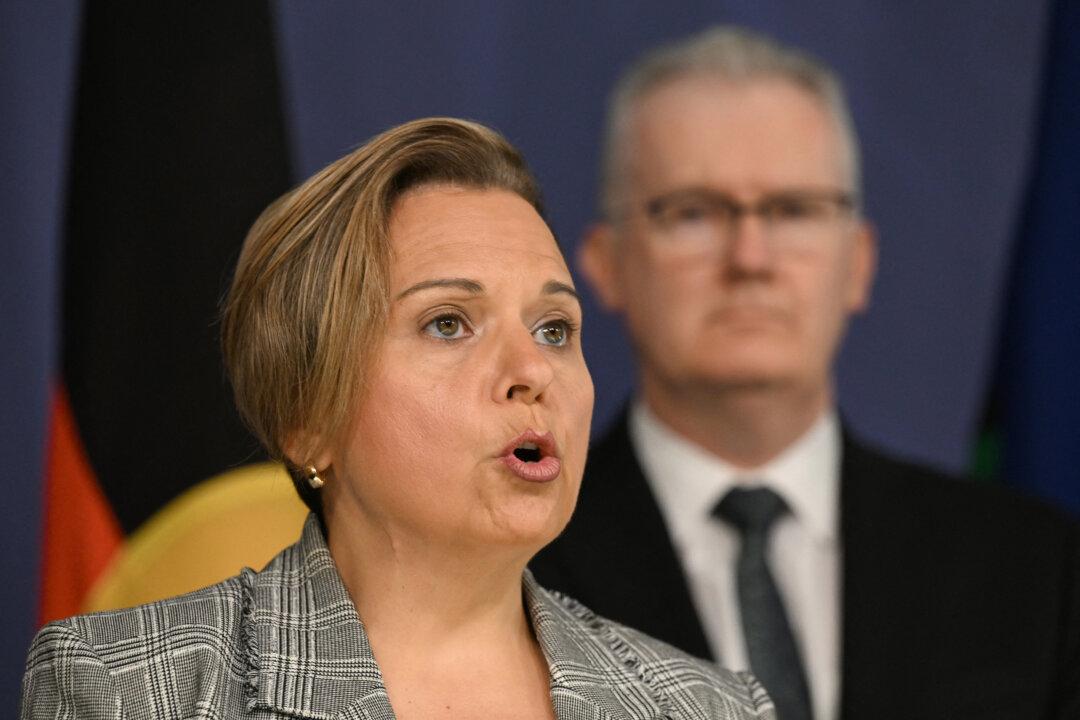
Australian Security Intelligence Organisation (ASIO) chief Mike Burgess signalled that Beijing remains firmly on Australia’s security radar.
Asked why China did not feature by name in his speech—or in recent Annual Threat Assessments—Burgess said, “How do you know I wasn’t talking about things China did in my remarks today?”
He then added that, “We all spy on each other, but we don’t conduct wholesale intellectual property theft. We don’t actually interfere in political systems and we don’t undertake high-harm activity.”
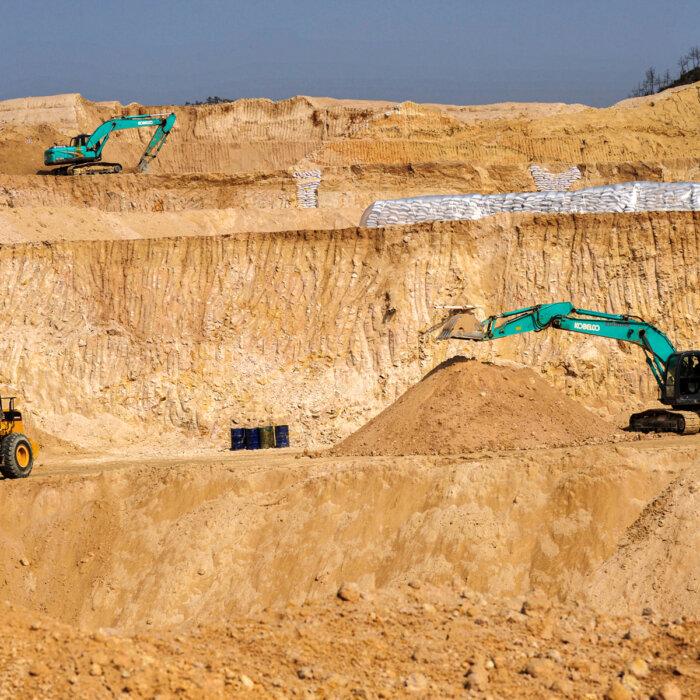
This came after he disclosed ASIO had recently disrupted a spy service seeking to recruit Australians and steal strategic secrets—specifically on Australia’s economy, critical minerals and AUKUS.
China’s Covert Pressure
Burgess said the Chinese Communist Party (CCP) has repeatedly attempted to lobby against ASIO’s public statements about its behaviour, but has never challenged him directly.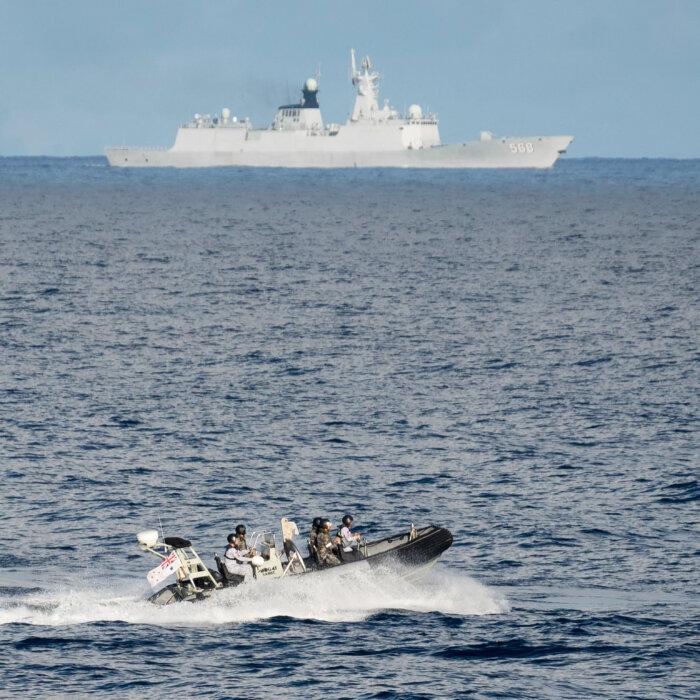
He suggested Beijing may not grasp how Australia’s system works, noting that intelligence agencies here operate independently despite serving the government of the day.
“I find that very interesting, because if they were smart as they should be—and they are smart—they would understand a Western liberal democracy and the role and the statutory standing of the security service,” he said.
Unlike China’s communist party system—where security agencies answer directly to the party leadership and dissenting institutions do not operate independently—Australia’s intelligence services are designed to provide impartial security assessments insulated from political direction.
“They clearly don’t understand the system, because if they want to complain about ASIO doing its job … it won’t stop my resolve,” Burgess said.
He reiterated he would “continue to call them out when I need to,” saying he did not choose to name China on this occasion only because the immediate topic was state-backed lethal targeting.
“At the extreme end of that, that isn’t China, although we do have some concerns there too,” he said.
Burgess previously accused CCP intelligence in 2023 of “wholesale intellectual property theft … over a good number of decades” to Australia’s detriment.
Channels With Allies and Threats
Burgess would not confirm or deny recent reports that he visited Beijing in 2023 for intelligence talks, but emphasised ASIO maintains channels with both allies and adversaries.“ASIO has intelligence relationships with some 351 services … in 124 countries,” he said. “Some of those are close mates. Some of them are definitely not mates at all.”
New Zealand Takes Harder Line
Australia’s calibrated public language comes as New Zealand adopts a more direct tone.Wellington’s 2024 Annual Threat Assessment named Beijing as “the most active threat,” warning of political interference and surveillance pressure on Chinese-Australian and Chinese-New Zealand communities.
It highlighted the CCP’s national security laws as a risk for NZ businesses because the legislation “creates a legal requirement for individuals and organisations in China to comply” with intelligence demands, potentially giving Beijing access to commercial data and intellectual property.
Defence Tensions Mount
Burgess’s remarks came as Australia confronts another flashpoint in its defence relationship with Beijing.Late last week, HMAS Ballarat joined the United States, Philippines, and New Zealand forces for a joint maritime activity in the eastern South China Sea, as Defence reiterated support for “freedom of navigation and overflight” in the region.
The cooperation followed a string of dangerous mid-air encounters.
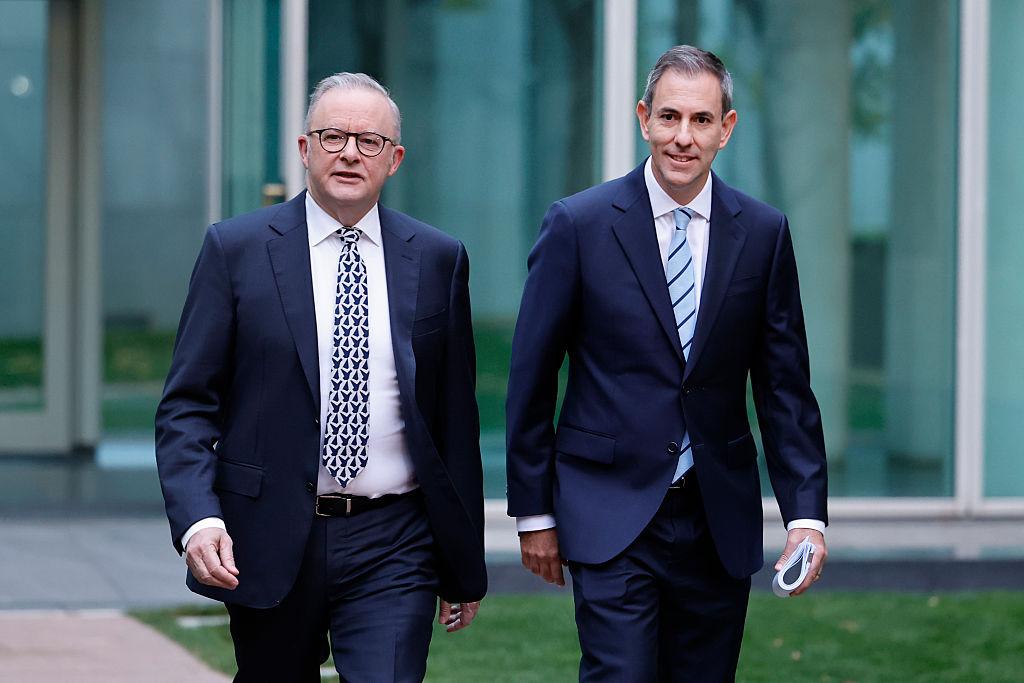
On Oct. 19, a CCP fighter jet released flares close to an Australian P-8A patrol aircraft—prompting a direct intervention by Prime Minister Anthony Albanese.
“I made the position directly clear that this was an incident of concern for Australia,” he said, stressing “clear disagreements” must be managed through diplomacy to avoid miscalculation.
Two similar flare incidents occurred earlier this year, and Australian aircraft and vessels have been repeatedly challenged near contested waters.
Chinese naval live-fire drills in the Tasman Sea earlier this year also forced the temporary diversion of civilian air routes.