Twenty-five public schools in Canberra will remain closed on Nov. 18, with dozens of others reopening or operating on a limited basis as authorities continue removing coloured play sand suspected of containing asbestos.
The ACT government shut 70 public schools on Nov. 17 after several sand products were recalled by the Australian Competition and Consumer Commission (ACCC).
Officials warned families that the clean-up effort would take days, with licensed asbestos contractors required to certify each site before staff and students could return.
The mass closure triggered urgent safety checks across the school system, with the ACT Education Directorate saying it acted out of caution.
Tasmania and SA Impacted
Beyond Canberra, Catholic schools in Tasmania and South Australia will also close or partially close from Nov. 18 as authorities assess whether the same contaminated products were used.In South Australia, the Department for Education said recalled sand was being removed by licensed contractors across the state.
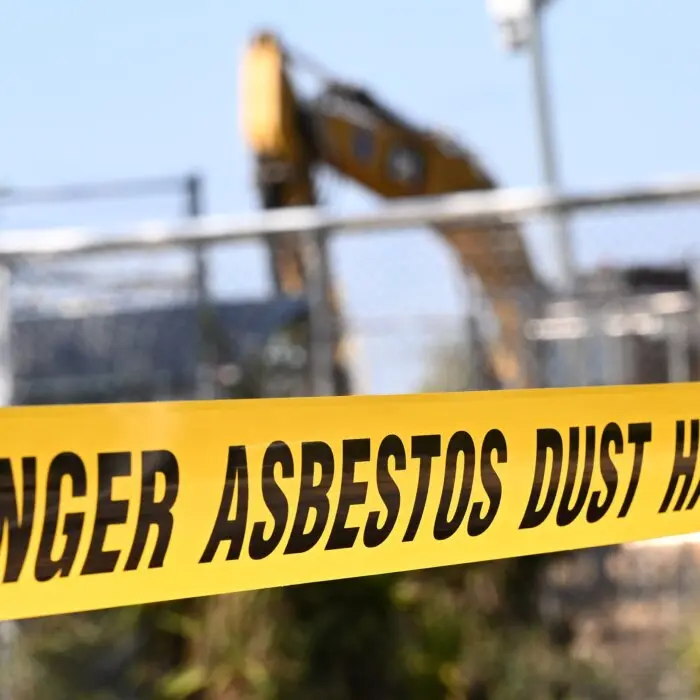
“At this time, more than 300 sites have contacted the department either to seek further advice or to report sand products,” it said on Nov. 17.
“The risk is low and is being managed in line with national standards and expert advice.”
In Tasmania, nine Catholic schools will close or partially close from Nov. 18 to allow testing and remediation.
“While expert advice indicates the risk to our students and staff is very low, we are taking every precaution,” Catholic Education Tasmania Executive Director Gerard Gaskin said.
Affected campuses include Corpus Christi in Hobart; Sacred Heart at Geeveston; St John’s at Richmond; St Cuthbert’s at Lindisfarne; St Brigid’s; and St Peter Chanel at Smithton.
Schools across multiple states initially shut after the ACCC issued a national recall for sand supplied by Educational Colours.
Trans-Tasman Response Grows
The fallout has extended to New Zealand, where at least five schools closed after using the same products. More than 100 others have contacted authorities seeking guidance.The country’s Ministry of Business, Innovation and Employment said testing was underway to determine whether locally sold stocks were contaminated.
“We are taking immediate precautionary action while we establish the extent and risk of the potentially contaminated product,” MBIE product safety spokesperson Ian Caplin said.
In Australia, ACCC Deputy Chair Catriona Lowe urged schools and households to stop using the products immediately and secure them in heavy-duty, double-bagged plastic.
“Keep it well out of children’s reach,” she said, advising gloves and masks during handling.
Consumers have been told not to dispose of the sand in household bins but to contact local asbestos-handling facilities.
Authorities stressed the health risk remains low but said caution is essential.
While asbestos-related illnesses typically emerge after long-term exposure, inhaling fibres can increase the risk of asbestosis, lung cancer, and mesothelioma.