As the Middle East conflict intensifies, the Australian government has begun assisting evacuations from Israel, with over 2,000 citizens and family members requesting help.
While some Australians are already being evacuated from the escalating conflict in the Middle East, a few, like Melbourne mother-of-three Emily Gian and lawyer Leon Zweir, are choosing to stay back.
Gian, who lives in Israel, has chosen to remain in her home, despite waves of Iranian missile fire following Israel’s strike on Iran’s nuclear infrastructure.
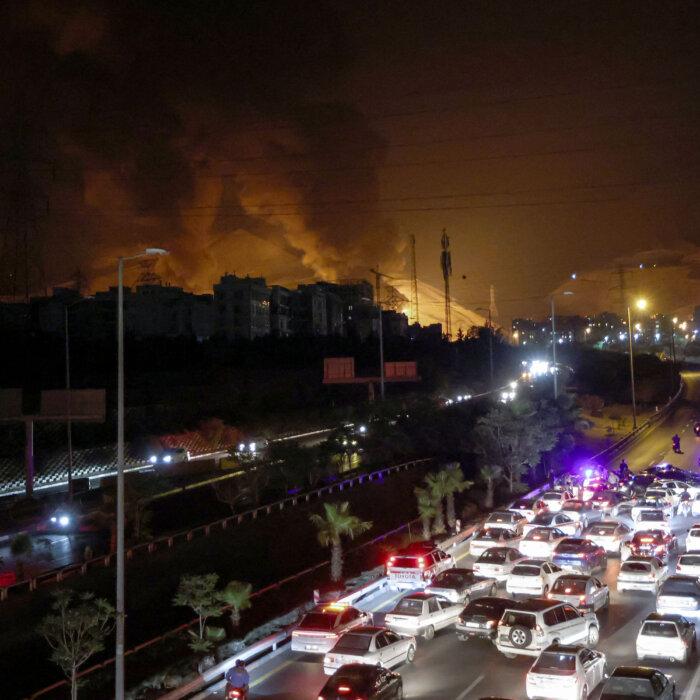
“We could hear it so loud that my kids thought that it was near our house,” she said. “It’s a really loud boom. You feel the house shake.”
While her family has spent nights in underground bunkers with only minutes to take shelter, she says the decision to stay is rooted in home and community.
“Our plans are to stay here for now because we live here, our house is here, our life is here, our work.”

Zweir, attending a conference in Jerusalem, has also registered with DFAT but said he will not leave until the event ends.
Federal Government Assists Evacuations
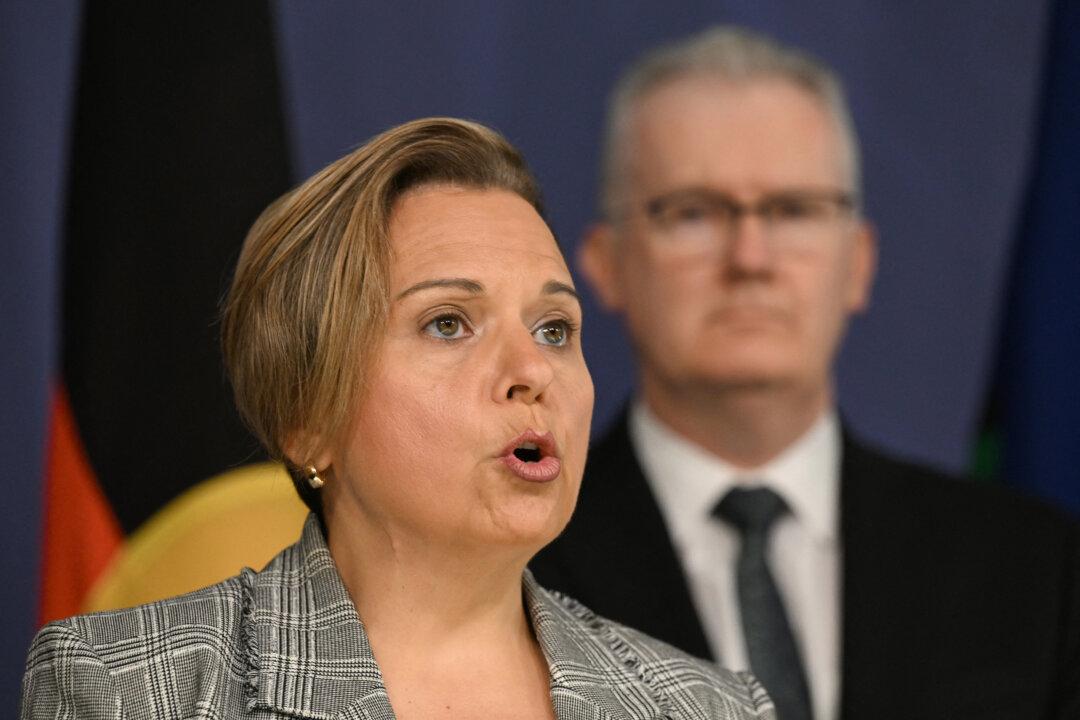
Foreign Minister Penny Wong confirmed that a small group of Australians had left Israel via a land crossing, with further efforts underway.The Department of Foreign Affairs and Trade is believed to have arranged buses to Jordan’s Amman airport—a trip that typically takes less than two hours—where Australians can board flights home. Transport to Egypt is also under consideration.
“Obviously, the situation on the ground is fluid,” she told ABC News, adding that conditions in Iran were riskier and Australians there were advised to shelter in place if they could not leave safely.
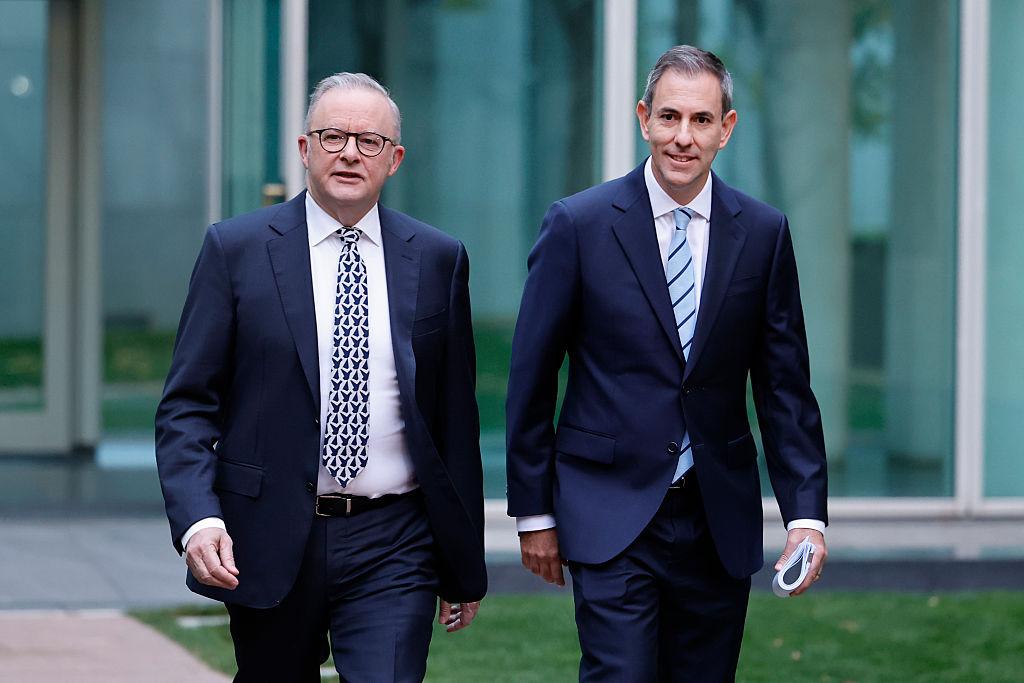
Treasurer Jim Chalmers said more than 1,000 Australians and their family members had sought help to leave Israel and 870 from Iran.
Calls for De-escalation and Diplomacy
The conflict was triggered on June 13 after Israel launched a strike targeting Iran’s nuclear and ballistic missile program. Iran responded with missile fire and warned of “all-out war” if the United States joined the fray.Prime Minister Anthony Albanese, speaking from the G7 summit in Canada, said, “Iran gaining the capacity for nuclear weapons would be a threat to regional security. We want to see a priority on dialogue and diplomacy.”
Wong echoed that call.
“It’s time, beyond time for Iran to come back to the negotiating table, for Iran to agree to discontinue any nuclear program,” she said.
According to the Human Rights Activists group, at least 585 Iranians, mostly civilians, have been killed, while Israel reports 24 civilian deaths.
DFAT continues to advise against travel to Israel and Iran and urges citizens and permanent residents needing assistance to register via the Smartraveller portal.