Argentina has moved a step closer to handing a 25-year contract for its main export waterway to a consortium led by Belgian dredging company Jan De Nul.
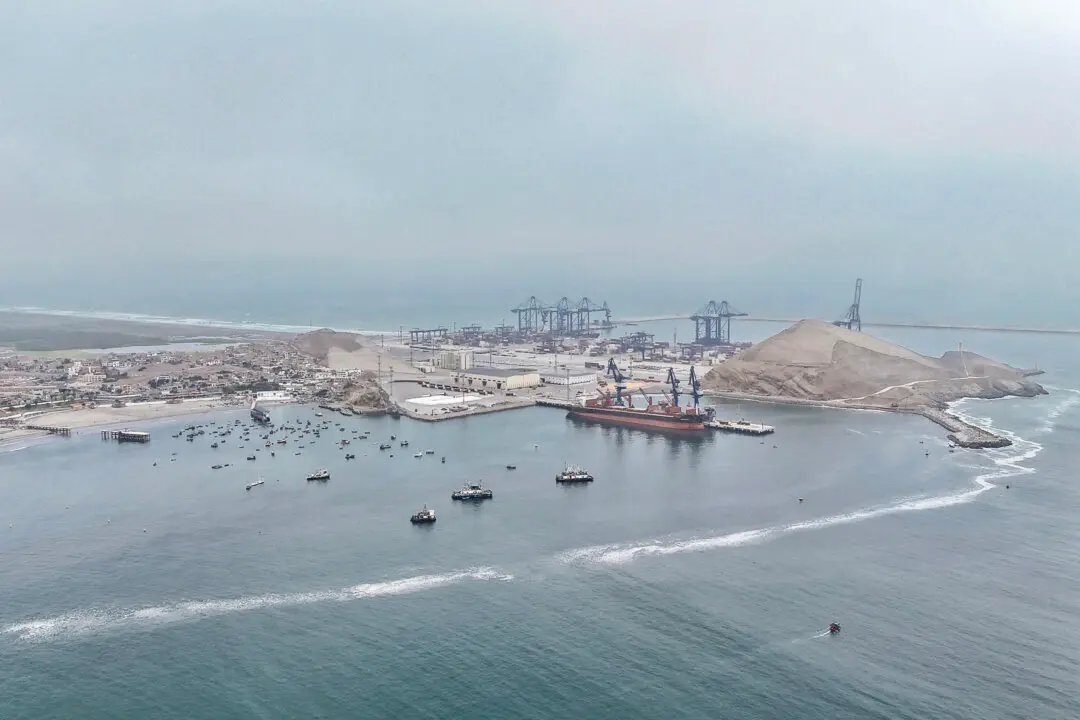
The Economy Ministry said on Thursday that Jan De Nul and Argentine partner Servimagnus had been selected as the preferred bidder to dredge and maintain the Paraná River shipping channel, a route that carries most of the country’s grain exports to global markets.
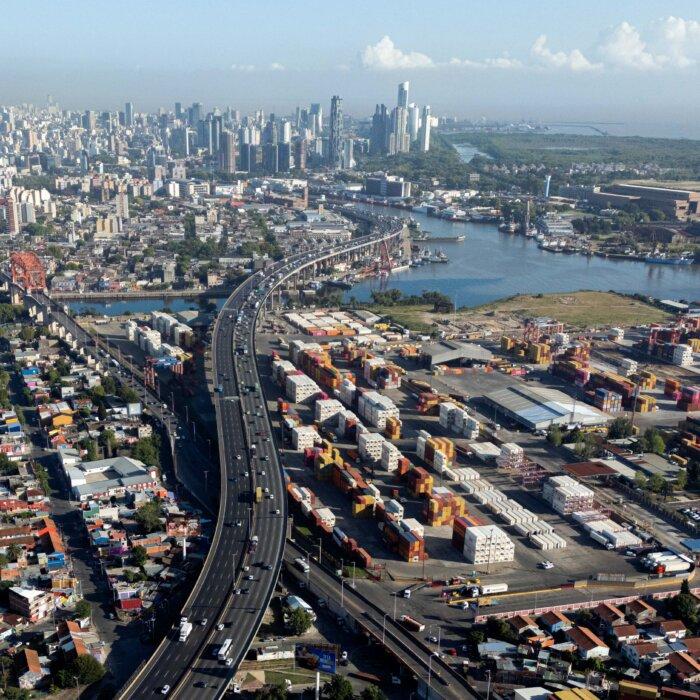
The project is expected to involve up to $10 billion in investment over the life of the concession and will cover the main channel linking the Buenos Aires region with the Rosario area, Argentina’s largest agricultural export hub.
The decision matters because the waterway is a key part of South America’s trade network. In addition to carrying Argentine grain and oilseed exports, it is used by Paraguay and Bolivia for access to overseas markets and by some Brazilian cargo operators.
The Jan De Nul–Servimagnus consortium beat a rival bid led by Belgium’s DEME Group after receiving a higher technical score. According to the Economy Ministry, Jan De Nul and Servimagnus scored 66.20 points compared with 42.14 for DEME, while both bidders submitted the same tariff proposal.
Bidders have until next week to challenge the preliminary award before a final decision is made.
Reaction from the losing consortium was swift. Great Lakes Dredge & Dock, a U.S. company involved in DEME’s bid, criticized the outcome.
Chris Gunsten, senior vice president for project services at the company, told Bloomberg, “We are disappointed in the announcement. It is a bad sign toward American investors.”
The Epoch Times contacted Great Lakes Dredge & Dock for comment, but the company did not respond by publication time.
The tender became politically sensitive during the bidding process because of concerns raised by some U.S. officials about alleged links between Servimagnus and Chinese state-owned companies.
In April, the chairman of the U.S. House Foreign Affairs Committee wrote to Argentine officials expressing concern about potential indirect Chinese involvement in the project. The allegations have not been publicly substantiated.
Jan De Nul and Servimagnus rejected the claims during the bidding process, describing accusations of ongoing Chinese involvement as “absolutely false and malicious.”
The dispute reflects wider competition between Washington and Beijing for influence in Latin America’s infrastructure sector. Argentine President Javier Milei has strengthened ties with the United States while maintaining significant trade relations with China, one of Argentina’s largest commercial partners.
The tender also marks the latest chapter in a years-long effort to find a new operator for the strategic waterway.
Jan De Nul worked on the river under a previous concession dating back to the 1990s. That contract ended in 2021, after which Argentina’s government took temporary responsibility for maintenance while officials prepared a new bidding process.
An earlier tender launched under Milei’s administration was canceled in 2025 after attracting only a single bid. Authorities later redesigned the process and reopened competition.
The new tender formally opened in February 2026. State-owned foreign companies were barred from participating—a move that effectively excluded Chinese state-owned dredging firms. Economic proposals were revealed in May, with both remaining bidders offering the same reduced tariff.
The final outcome will depend on whether any challenges are filed during the review period. If the preliminary decision stands, Jan De Nul and Servimagnus will take charge of one of South America’s most important trade routes for the next quarter century.