European regulators have rejected Apple’s claim that EU law blocks innovation, saying the company unsuccessfully sought an exemption from competition requirements for its new Siri AI assistant.
European Commission spokesperson Thomas Regnier told reporters on June 9 that the decision not to roll out Siri AI in the EU was Apple’s alone and stemmed from the company’s refusal to comply with interoperability requirements under EU law.
“Apple was simply unable to develop interoperability solutions that meet essential EU privacy and security standards,” Regnier said.
Instead, he said, Apple requested a temporary exemption from its obligations under the EU’s Digital Markets Act (DMA).
“Apple simply made a request to the European Commission to be exempted from their interoperability obligations under the DMA,” Regnier said. “And this for at least 18 months on top of it.”
The commission rejected that request, he said.
“EU law is non-negotiable,” Regnier said. “The Commission won’t give any exemptions just like a police officer would not exempt a driver from respecting the speed limit.”
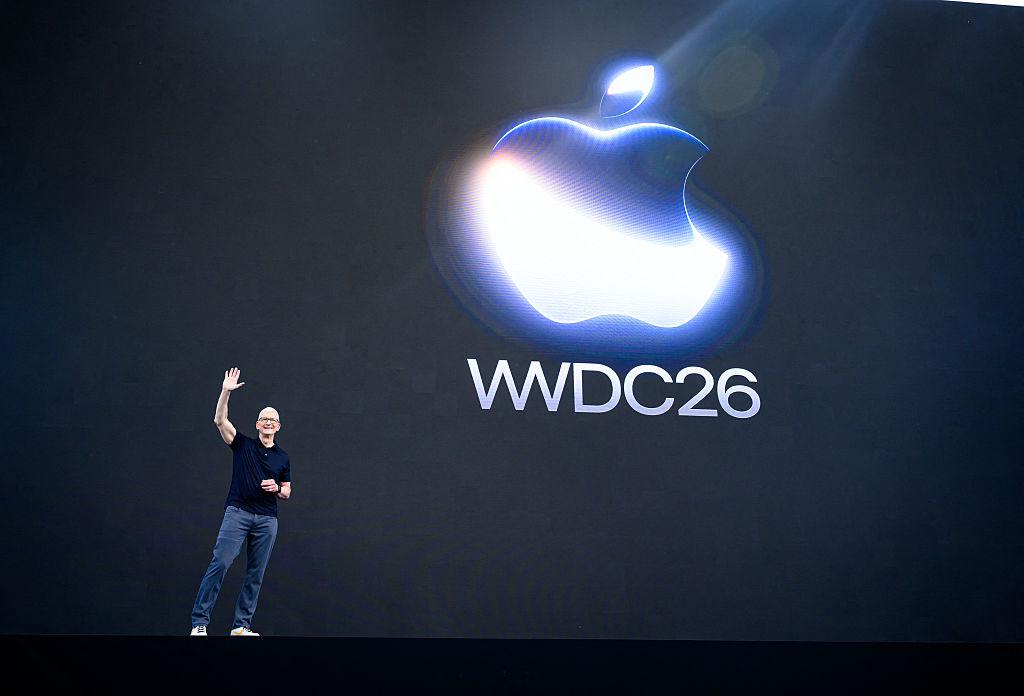
His remarks came a day after Apple announced the delay during its Worldwide Developers Conference in Cupertino, California.
Apple said in a June 8 statement that Siri AI would not be available on iPhones and iPads in the EU when iOS 27 and iPadOS 27 launch later this year.
The company said that EU regulators had rejected all of its proposals to deploy Siri AI while maintaining privacy and security safeguards.
“We’re deeply disappointed that our EU users won’t have Siri AI on iPhone or iPad when we share our new software releases later this year,” said Craig Federighi, Apple’s senior vice president of software engineering.
He said Apple hoped to bring Siri AI to Europe eventually and would continue discussions with regulators.
However, Federighi said the commission’s “refusal to engage constructively on solutions that preserve privacy and security” meant there was currently no timeline for the service’s availability in the EU.
Apple said that rival AI systems could gain the ability to read messages, make purchases, access files, and control applications without what Apple considers sufficient safeguards.
It cited research showing that AI systems can be manipulated to steal personal information or alter files without user consent.
EU Legislation
The disagreement centers on the Digital Markets Act, a landmark European Union regulation that took effect in 2022.The law requires designated “gatekeeper” platforms to comply with rules intended to promote competition and prevent dominant technology companies from restricting rivals’ market access.
Among its provisions are interoperability requirements designed to allow competing services to interact with dominant platforms under certain circumstances.
European officials argue that those rules encourage competition and consumer choice. Apple contends that some interoperability requirements could weaken privacy and security protections if applied to advanced AI systems.

Regnier rejected suggestions that the DMA limits innovation. He said the law is intended to ensure competition and consumer choice.
“It is not for them to decide who gets to innovate in Europe,” he said. “And it’s not for them to choose which AI tools our EU citizens get to use or not.”
Apple said the law had contributed to delays in features such as iPhone Mirroring for Mac users, Live Translation for AirPods, and certain Apple Maps functions because some features must be made compatible with third-party products before release.
For now, European users of iPhones and iPads will not receive Siri AI when Apple’s new operating systems launch later this year. Apple said users in the EU will still be able to access Siri AI through macOS 27 and visionOS 27.