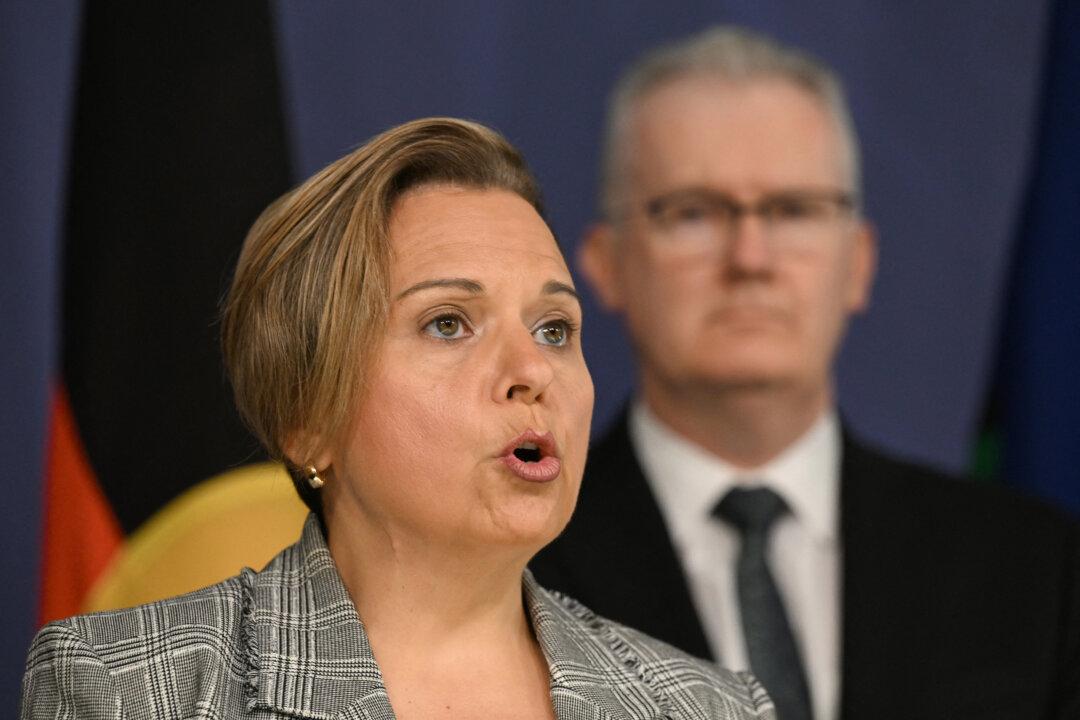
Liz Allen, a demographer at ANU, made the allegations on Aug. 12 before a Senate committee investigating governance and financial accountability across the higher education sector.
Allen, who served as the staff-elected representative on the council until her resignation in April, said she had been subjected to “threats, intimidation, and bullying” since 2024 after pressing for more stringent oversight of council conduct.
She described the alleged behaviour as “devastating.”
“I was bullied into near suicide. I miscarried a much-wanted baby,” said Allen, who broke down during the testimony.
She alleged she had been denied promotion opportunities, left uncertain about her job security, and seen her career prospects collapse.
Allen further alleged that Bishop had been “hostile and arrogant” toward staff, and said that when former Brian Schmidt was vice-chancellor, he acted as a moderating influence on Bishop’s conduct.

Claims of Misconduct and Intimidation
Allen also accused current Vice-Chancellor Genevieve Bell of misleading the council “on numerous occasions,” and alleged that ANU leaders “behave with impunity, keep council in the dark, and fail to adequately disclose conflicts.”
She described a two-hour meeting in February during which Bishop allegedly accused her and an undergraduate council member of leaking confidential matters, linking it to “improper and illegal activity.”
Allen insisted she had “never leaked confidential council business.”
Following that meeting, Allen claimed Bishop confronted her in private, berated her, floated the idea of a legal investigation, and suggested calling a journalist to confirm she was not the source of leaks.
Allen alleged that Bishop “laughed incredulously” at her visible distress and physically blocked her from leaving the room.
Allen told the inquiry that the incident left her struggling to breathe and walk.
Later that day, Allen told the inquiry, she pulled over on her drive home and prepared farewell messages for her children and partner before a phone call from her husband stopped her from taking her own life.
Two weeks later, she said, she suffered a miscarriage.
Retaliation and Workplace Isolation
Allen claimed the February exchange triggered ongoing repercussions, including a legal threat, exclusion from coordinated media activities during the election period, and delayed publication of her work by ANU media.
She alleged colleagues had become reluctant to work with her for fear of repercussions, and that her online and workplace activity was monitored.
Bishop and ANU’s Response
Bishop, who was overseas on United Nations business during the hearing, issued a written statement rejecting the allegations.
“I reject any suggestion that I have engaged with council members, staff, students, and observers in any way other than with respect, courtesy, and civility,” she said in a statement shared with The Epoch Times.
She added it would be inappropriate to comment further while grievance proceedings initiated by Allen were underway.
ANU Chief Operating Officer Jonathan Churchill told the inquiry the university “takes what has been said very seriously” but that “on a preliminary view, a number of the statements don’t appear to be correct.”
He said the university would examine the claims in detail and respond in writing.
Vice-Chancellor Genevieve Bell, who was named in Allen’s testimony, did not attend the hearing due to illness.
Wider Governance Concerns and Further Resignations
The hearing also heard from Francis Markham, another council member who resigned the night before giving evidence.
His term was due to run until Sept. 2026. Markham said he left over governance concerns, citing recent meetings that exposed a fundamental disagreement about members’ roles and failed attempts to obtain information.
The ANU has been in the news for undergoing a contentious restructure aimed at saving $250 million by 2026, a plan that includes significant job cuts.
Last month, National Tertiary Education Union (NTEU) president Alison Barnes issued a statement saying this was “a watershed moment” in confronting what she called a governance crisis in Australia’s public universities.
Barnes accused university leaders of presiding over widespread wage theft, poor transparency, and reckless cost-cutting.
She called for national legislation to end what she described as a culture of vice chancellors acting with impunity while student experience and jobs are decimated.