Kmart Australia has recalled yet another children’s play product amid fears of asbestos contamination.
The Anko brand “Make your own unicorn sand ornaments” kit has been pulled from the shelves, with the major retail chain urging people who’ve bought it not to return it in-store, but to dispose of it according to government guidelines.
The kit, which contains three unicorn-shaped bottles for children to fill with coloured sand, was being sold at both Kmart and Target stores.
“The products are being recalled because the sand may include asbestos, which is a prohibited substance in Australia,” Kmart’s product safety recall notice states.
“The products may cause a risk to health as asbestos has been detected in some samples after laboratory testing.”
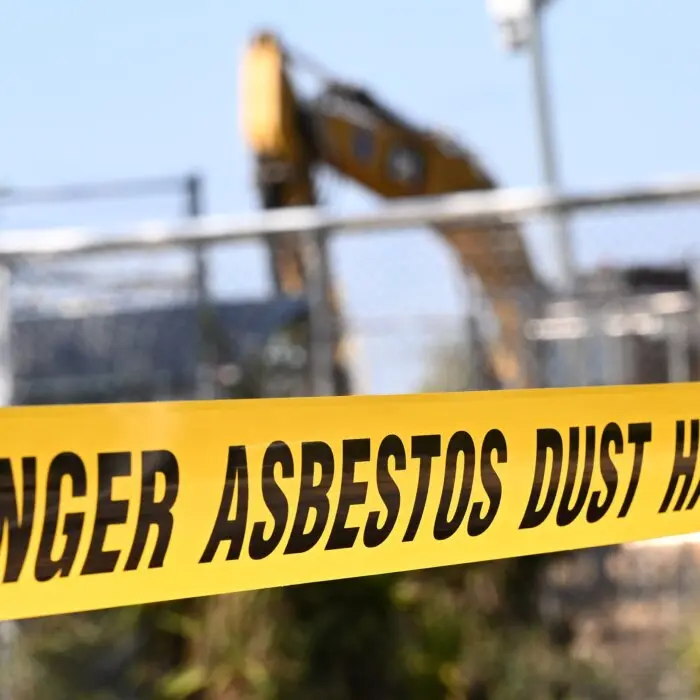
“The risk that any asbestos found is likely to be airborne or fine enough for inhalation is low,” the statement said.
Kmart says the item had been on sale in its stores from May 15, 2023, until Nov. 14, 2025.
The Australian Competition and Consumer Commission published a recall on Nov. 12 for various coloured sands sold at Officeworks and educational suppliers.
In South Australia, around 500 schools were impacted.
On Nov. 17, Kmart recalled its Active Sand 14-piece sand castle building set and individual pots of coloured sand due to concerns over asbestos.
Contaminations Prompt Calls for Inquiry
South Australian Education Minister Blair Boyer last month called for an inquiry into how asbestos-containing products are making their way into Australia.Importation of items containing asbestos has been illegal in Australia since 2003.
“I want to know how this stuff got through our borders, how it ended up on the shelves of major retailers like Kmart and Target and then ended up in schools, preschools and thousands of households,” he said.
Asbestos in Wind Farms
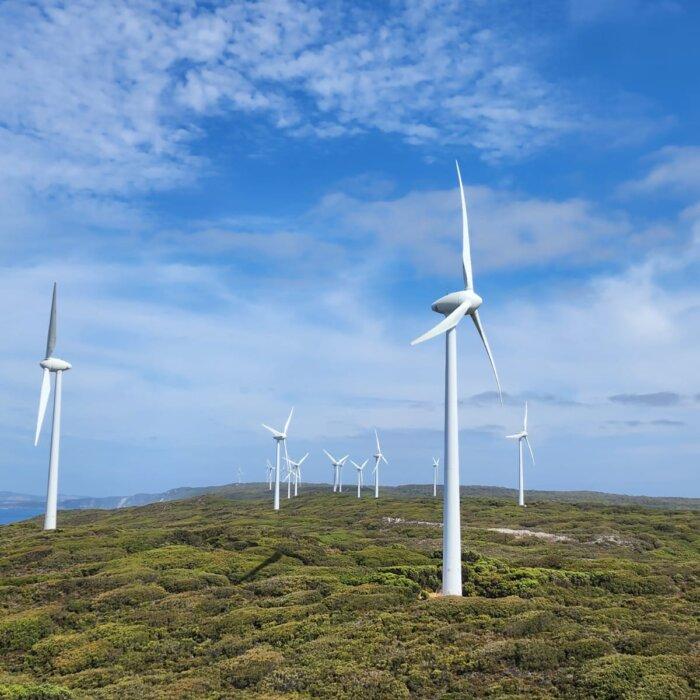
The latest play sand warning comes as more Australian wind farms have also been found to be using components containing asbestos fibres.Mining magnate Andrew Forrest’s brand new $1 billion Clarke Creek Wind Farm in regional Queensland was confirmed as the latest affected site linked to the Chinese-owned developer and renewables supplier, Goldwind.