Foreign Affairs Minister Anita Anand hosted Mexican Foreign Secretary Roberto Velasco in Ottawa this week where the two discussed strengthening trade and defence relations.
The meeting comes just a few weeks after the July 1 deadline for reviewing the Canada-United States-Mexico Agreement (CUSMA) lapsed, and as Mexico has advanced further in talks with the U.S. administration than Canada.
Anand told reporters on July 17 that it was “very difficult” to compare the progress of U.S.-Mexico trade talks with those involving Canada because Ottawa and Mexico City are negotiating different issues with Washington.
“But the starting point for Canada is very much that with both the United States and Mexico, the trade and investment relationship is fundamentally important, and we are committed to protecting and strengthening those relationships, both bilaterally and trilaterally,” she said.
When asked by a reporter if Mexico would be willing to make a bilateral deal with the United States that leaves Canada out, Velasco responded by shaking his head no.
“I think we, the three countries, agree that that architecture should continue,” Velasco said, adding that each of the countries have trade issues with each other that need to be worked out within CUSMA. Velasco also said further trilateral discussions will happen “when it’s appropriate.”
Velasco also said the issue of Chinese electric vehicles (EVs) being allowed into the North American market are part of the trade discussions with the United States, but that Mexico does not have “a large manufacturer of Chinese vehicles in Mexico right now.”
Ottawa agreed in January to drop the 100 percent tariff on Chinese EVs to 6.1 percent on 278,989 units over five years, with Beijing to remove or reduce tariffs on Canadian agricultural and seafood products in exchange.
The U.S. has criticized Ottawa for making the deal with China, saying it could introduce security risks and undermine North America’s efforts to reduce dependence on China’s EV industry and protect domestic manufacturing.
Canada and Mexico have called for CUSMA to be renewed for 16 years, while the United States has said it doesn’t want to renew the agreement “in its current form.” If CUSMA is not extended, it remains in force until 2036, unless one party withdraws. Washington said discussions will continue to address the agreement’s “shortcomings.”
Greer made the comments in response to a reporter’s question on Canada repealing its Digital Services Tax (DST) and asking the broadcast regulator CRTC to review its decision to triple its tax on large online streamers.
“I’m glad they did that, but they don’t really get credit for doing something bad and then undoing it, right?” Greer said.
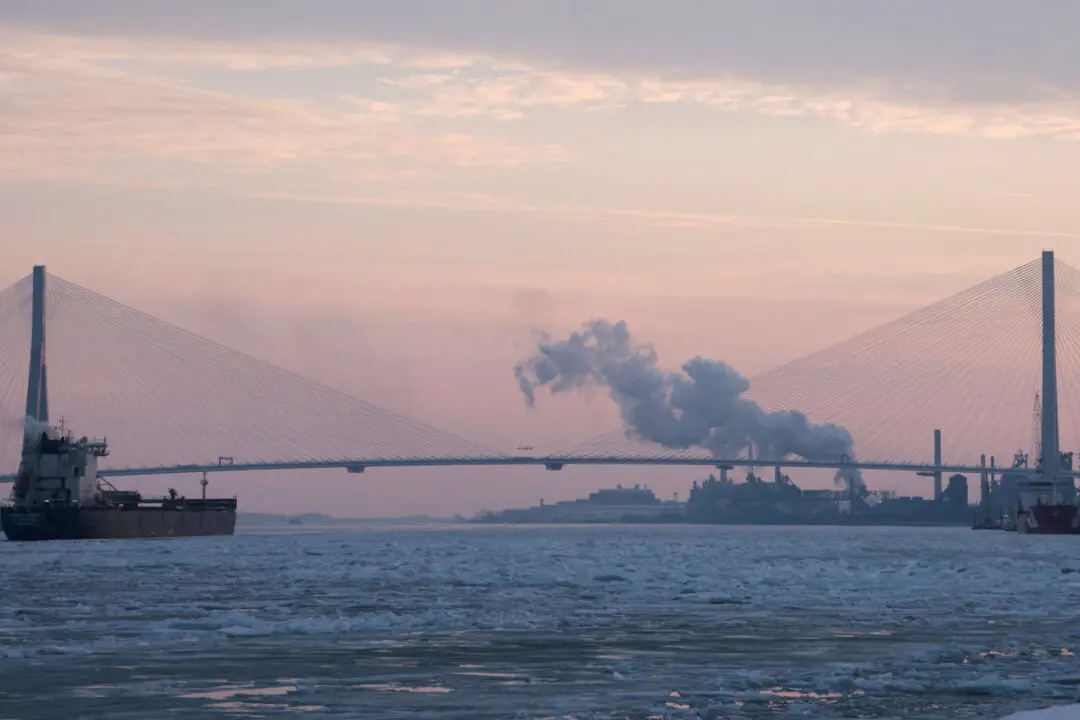
Another apparent concession from Ottawa came as it agreed to revisit the revenue-sharing agreement for the Gordie Howe International Bridge between Windsor, Ont., and Detroit, Mich., after Washington delayed the bridge’s opening in recent weeks.