WASHINGTON—Commissioners and former staff with a key human rights panel are voicing concern over religious freedom in the new Syrian regime, now facing attack from Israel in the name of a religious minority.
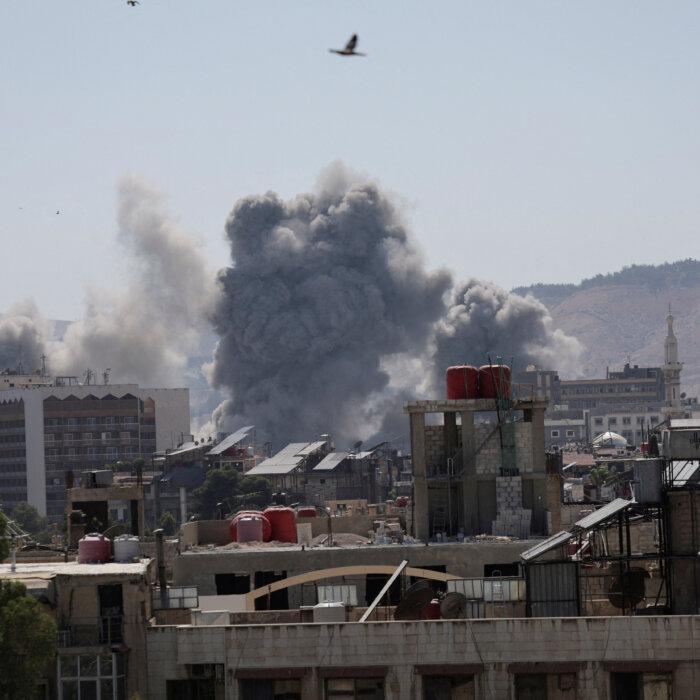
Israel, which backed the ouster of former Syrian President Bashar Assad, launched heavy airstrikes on July 16 that hit Syria’s capital, Damascus, citing persecution of the Druze.
The move comes after conflict arose between Sunni tribes and the Druze in the southern province of Sweida. Druze leaders and the Syrian government announced a cease-fire amid the strikes, which have continued.
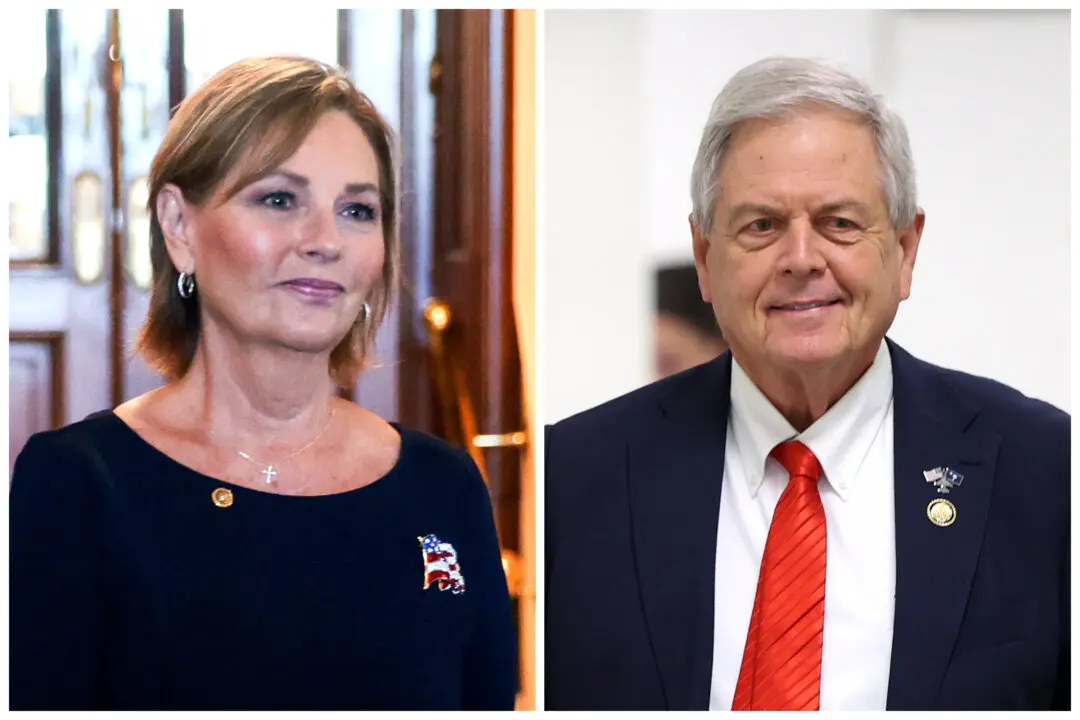
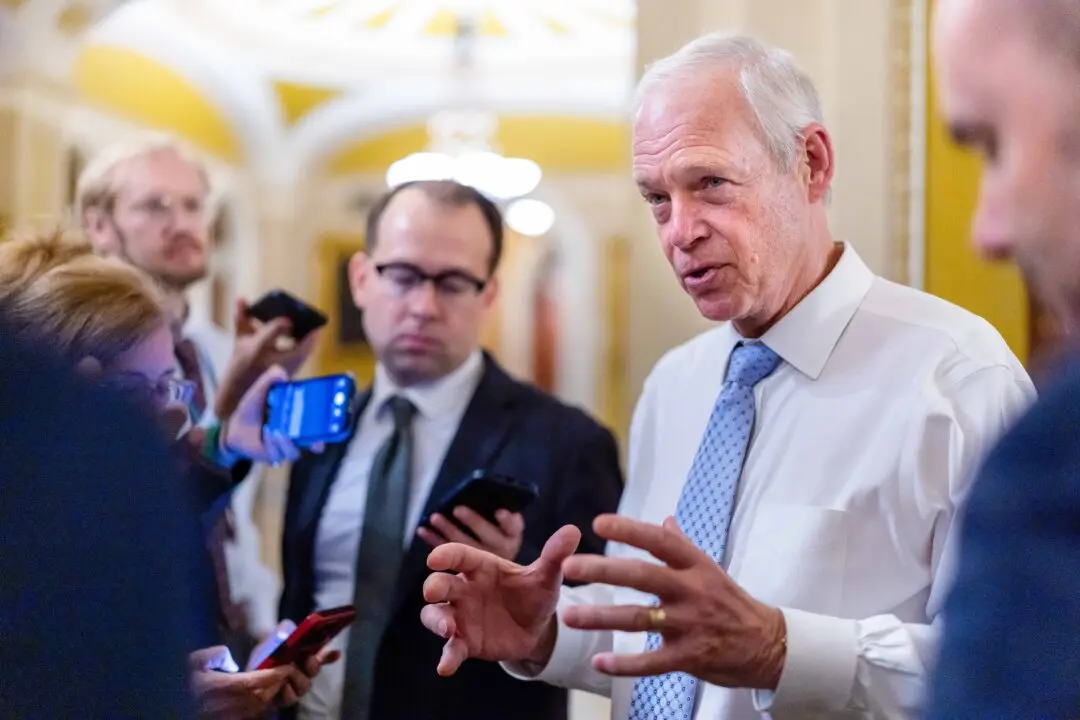
Sen. Thom Tillis (R-N.C.), who serves on the Helsinki Commission, hesitated in comparing conditions for non-Muslims in Syria today to those under Assad. Assad, a member of the Alawite minority, presented himself as a protector of the many religions and ethnic groups living in Syria.
“It’s bad to a different kind of bad,” he told The Epoch Times. “On the ground, I doubt seriously if it’s materially better and people are feeling safer in terms of expressing their own religious point of view.”

An outgrowth of the 1975 Helsinki Accords—which sought to improve relations between Western nations and the Soviet bloc—the Helsinki Commission promotes human rights, including freedom of religion. Participating states include three of Syria’s neighbors: Israel, Jordan, and Turkey.
At a July 16 Helsinki Commission event in Washington, Knox Thames, former counsel for the commission who later served in the U.S. State Department’s Office of International Freedom, told The Epoch Times that “before the civil war, issues of religious freedom didn’t really come up very much.”
Assad’s Russian-backed regime was first engulfed in civil war in 2011. During the following decade and a half, the embattled dictator faced opposition in various forms and at various times from the United States, Turkey, Israel, and Saudi Arabia.
Assad fled the country in December 2024 during a rebel offensive that culminated in the capture of Damascus. He now lives in Moscow.
“After the civil war, when the whole country was falling apart as state control withered, you saw that these jihadi groups, these terrorist groups, were victimizing Christians, Alawites, Druze,” Thames said.
Those groups included the ISIS terrorists in Syria and Iraq, who carried out the genocide of the Kurdish-speaking Yazidi minority between 2014 and 2017.
Al-Sharaa, who previously went by the name Abu Mohammad al-Julani, fought with al-Qaeda in Iraq and, during the early stages of the civil war, in Syria. He led the al-Nusra Front through the conquest of Damascus.
Al-Sharaa has distanced himself from some of his past statements, pledging to protect religious minorities, and the Trump administration has sought to confer greater legitimacy on his government.
“A united Syria that does not offer a safe haven for terrorist organizations and ensures the security of its religious and ethnic minorities will support regional security and prosperity,” Trump stated in the order.
Rubio on July 16 said the United States is “very concerned” about the conflict between Syria and Israel, attributing it to a “misunderstanding.”
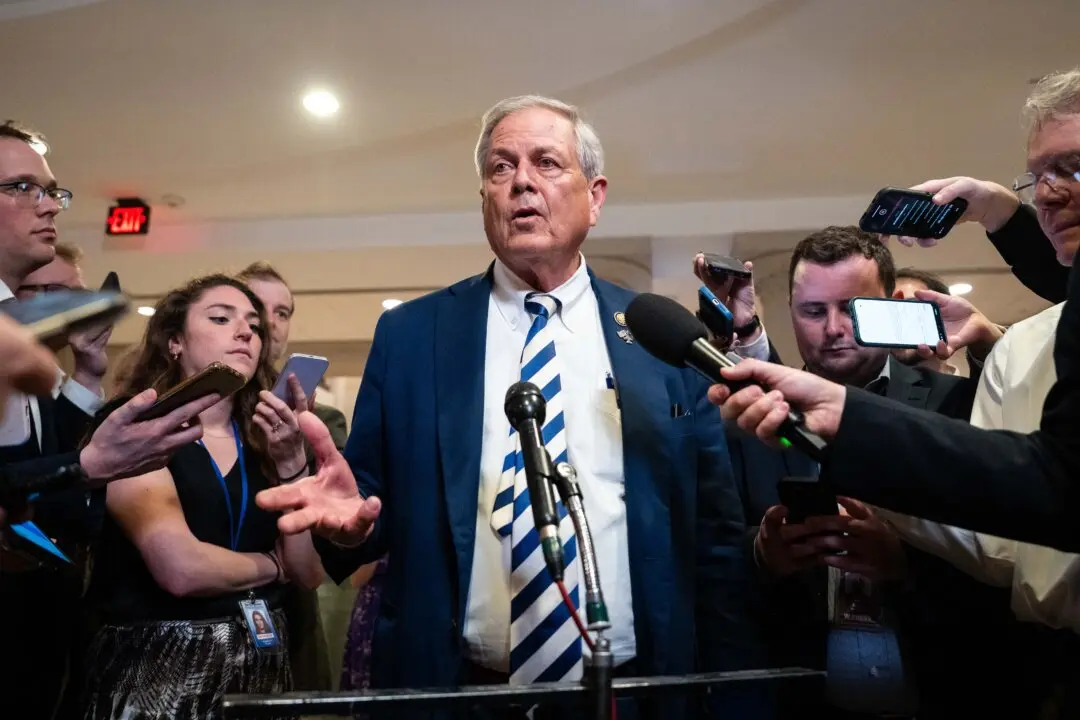
Rep. Joe Wilson (R-S.C.), who is co-chairman of the commission, voiced opposition to Israel’s airstrikes in a post on X.
Sen. Roger Wicker (R-Miss.), the commission’s chairman, declined to comment to The Epoch Times on Israel’s airstrikes, saying he was awaiting a briefing on the issue.

“I’m always concerned about religious minorities around the world,” he said. “Clearly, most places lack the tolerance that we have for different religious groups.”
Tillis told The Epoch Times he would “defer to the White House in terms of any official response” to Israel’s Syria strikes.
Thames, who now directs the Global Faith and Inclusive Societies Program at Pepperdine University, described religious liberty under the current regime in Syria as “an open question.”
“I’m deeply concerned with where the new government is going and what they can even do,” he said.
Tillis said: “We knew it wasn’t like it was going to be the rise of democracy in Syria [after Assad’s departure]. It’s almost like dealing with the devil you know.”
Thames said potential snapback functions for the sanctions Trump has curtailed could help protect religious freedom in the state. Tillis endorsed the idea.