Australians in rural and remote areas are expected to receive an internet upgrade through a new partnership between Amazon’s Project Kuiper and the National Broadband Network (NBN).
The agreement will see Kuiper’s advanced low-Earth orbit (LEO) satellite technology gradually replace the decade-old Sky Muster service beginning mid-2026.
As per the announcement made on Aug. 5, NBN Co estimates the upgrade will improve broadband access for around 300,000 premises across regional and rural Australia.
Project Kuiper, Amazon’s satellite internet venture, is widely seen as a direct rival to Elon Musk’s Starlink, which has already gained popularity in hard-to-reach parts of the country.
While Starlink has grown in popularity since its Australian debut in 2021, its foreign ownership has raised concerns about data security and sovereign control. In May, it received a formal warning from the Australian Communications and Media Authority over regulatory issues.
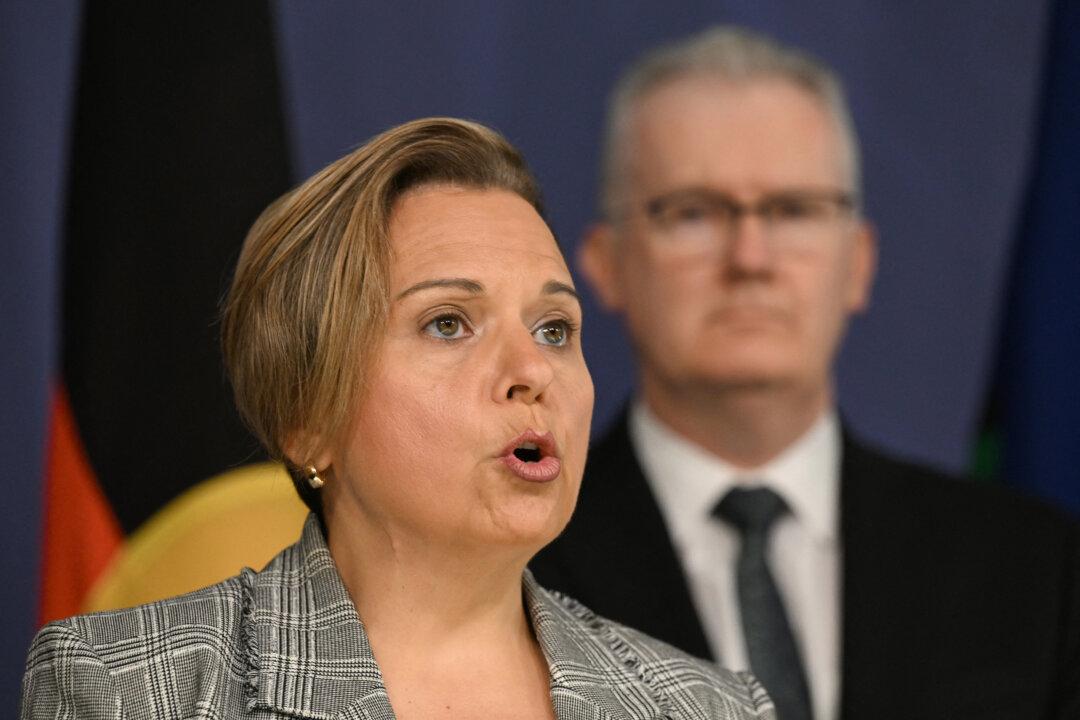
NBN Co CEO Ellie Sweeney called the announcement “a game-changer” for internet access in non-metropolitan areas.

“Whether you live in Sydney or on a remote cattle station, every Australian deserves secure, resilient, fast and affordable broadband,” she said.
Sweeney noted that while Sky Muster satellites have served regional Australia well over the past decade and that new technologies like Project Kuiper are essential for the next generation of digital services.
The rollout will occur over four years, with Sky Muster expected to be retired in the early 2030s.

Consultation and Costs
As part of the transition, NBN Co will soon begin consultations with stakeholders, including regional communities, to determine speed tiers and wholesale pricing options.The company indicated that existing satellite customers may be eligible for free equipment and professional installation, though final details will be shaped by community feedback.
Importantly, the partnership will be fully funded by NBN Co and will not require additional taxpayer funding.
Communications Minister Anika Wells emphasised the government’s commitment to inclusivity throughout the rollout.
“Being more connected means Australians living anywhere will be better off, whether that’s working remotely, managing a farm, accessing telehealth or studying online,” she said.
Complaints and Security Risks
The announcement comes at a time of heightened concern about internet reliability and security.Notably, complaints about inadequate fault testing rose by 29.3 percent, while the ACT recorded the sharpest rise in internet service issues—up 25.8 percent from the previous quarter.
Major providers like TPG, Dodo, and Superloop all saw double-digit increases in complaint volumes.