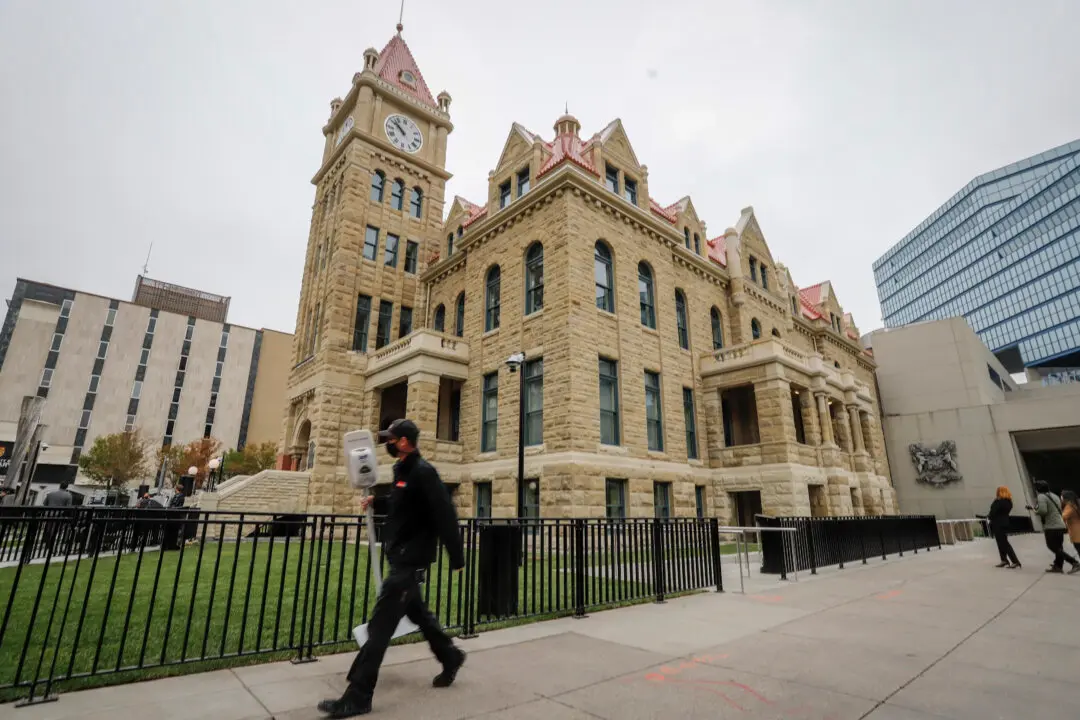
The Alberta government says it will offer parents with younger children $150 a week if they are impacted by a potential teachers strike, which the union says is “imminent.” The funds would be paid from the money saved on teachers’ salaries and training during the strike, according to the province.
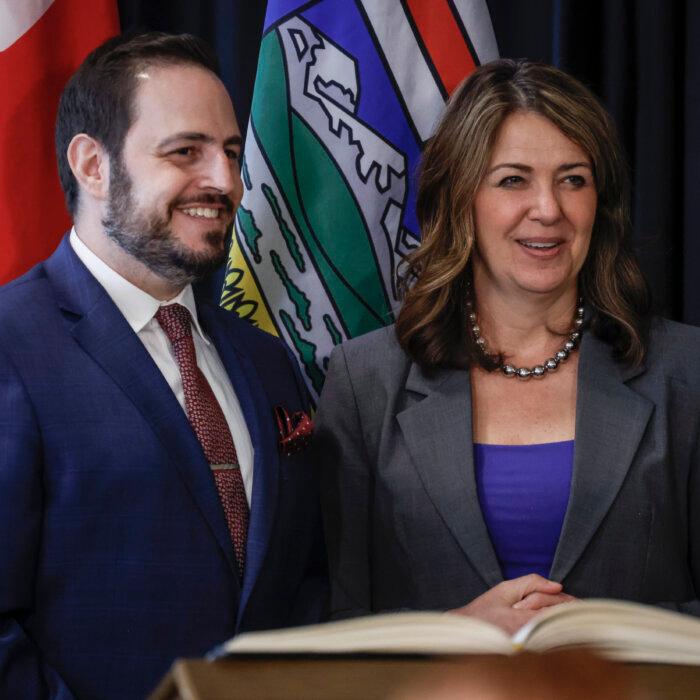
Premier Danielle Smith said the province has a plan for parents and students if teachers walk off the job.
“Our government will provide learning resources for students and compensation for added cost faced by their families,” she said during a Sept. 30 news conference.
Finance Minister Nate Horner said parents of children aged 12 years and under who are affected by the strike will receive $150 a week per student for the duration of the teachers’ job action. The money will come from “unspent educational grants,” which would have been used for teachers’ salary and training, Horner said.
He called on the union to go “back to the drawing board” and figure out what teachers want from a contract so negotiations can continue.
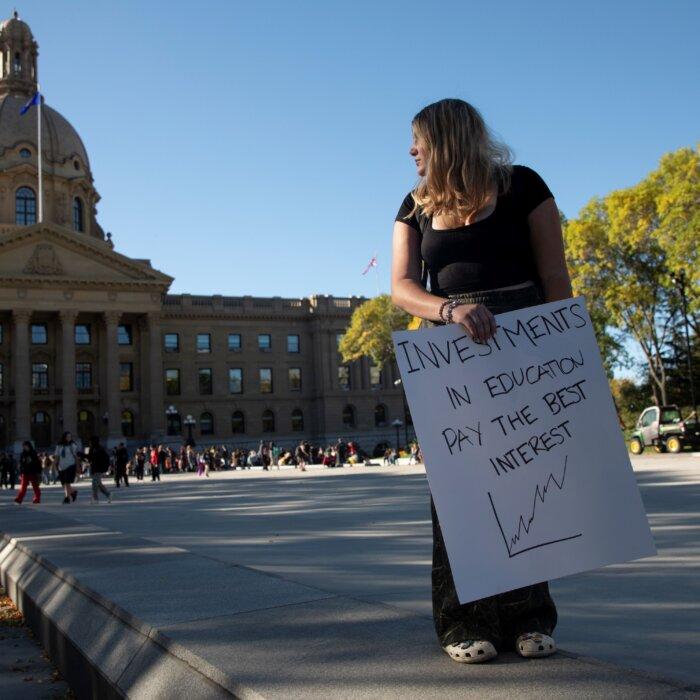
“I believe it is harmful for the union to strike without clearly understanding and presenting what their members are looking for,” he said during the press conference.
The union said teachers have seen a salary increase of less than 6 percent over the past 10 years. ATA president Jason Schilling said teachers also want the province to address classroom complexity.
Smith called her government’s offer “generous.”
“It was the highest general wage increase proposed in over a decade. A Category Five teacher at the top of the pay grade would make $114,800 a year in 2027. That is roughly $107,000 after provincial taxes,” Smith said during the news conference.
The rejected offer included a 12 percent salary increase over a four-year period and a commitment by the province to hire 3,000 more teachers and 1,500 new education assistants for classroom complexity pressures, according to the government.
The contract also proposed transitioning most teachers to a unified pay grid in September 2026, a move that would have given more than 95 percent of educators a 17 percent wage increase, the government said.
The ATA said more than 43,000 of its 51,000 members voted to reject the contract.
The Opposition NDP’s shadow education minister Amanda Chapman previously said the education system has been pushed to a “breaking point.”
Student Resources
Minister of Education and Childcare Demetrios Nicolaides announced the province would supply students with at-home resources to continue learning.“This toolkit provides a week by week guide for parents to follow the Alberta curriculum,” he said during the news conferences.
Nicolaides said the toolkit would focus on core subjects including language arts, math, science, and social studies. For students in Grades 10 through 12, it will include materials on chemistry and biology.
“Parents have the option to choose which subjects to tackle and what activities help their children find success,” he said.
The materials will be updated each week and include videos and other information to help students learn the concepts. Parents will also be provided with practice questions, worksheets, and other activities.
Nicolaides said that Fridays would be “mastery days” where students can “delve deeper” into the content.
He also said that parents can use any resources sent home by schools, which will be available in English and French.