The Alberta government said it will be testing higher speed limits on selected highways in the new year in a “mini-trial” that could see further changes in the province.
The decision follows a five-week online survey where the government asked residents to share comments about increasing the speed limit on some highways by 10 kilometres per hour.
The minister said the move would come with “strong monitoring” and “safety evaluation,” adding that this would ensure any future decisions were based on “real-world data, local feedback,” and a commitment to road safety.
“Albertans have spoken loud and clear. We’re taking that direction seriously, and we will continue to make improvements that support safety, mobility, and economic growth across the province.”
The online survey, which ran from Nov. 7 to Dec. 12, saw a total of 59,400 people respond, according to the province.
Preliminary results show that 68 percent were in support of increasing speed limits on highways.
“It’s clear that Albertans are ready for modern, common-sense rules that better reflect how our roads are built and how people actually drive,” Dreeshen said.
The survey asked residents to provide input on which highways should be prioritized for a speed limit increase. Respondents were also asked to share their views on restricting commercial trucks from using the far-left lane on highways with three or more lanes.
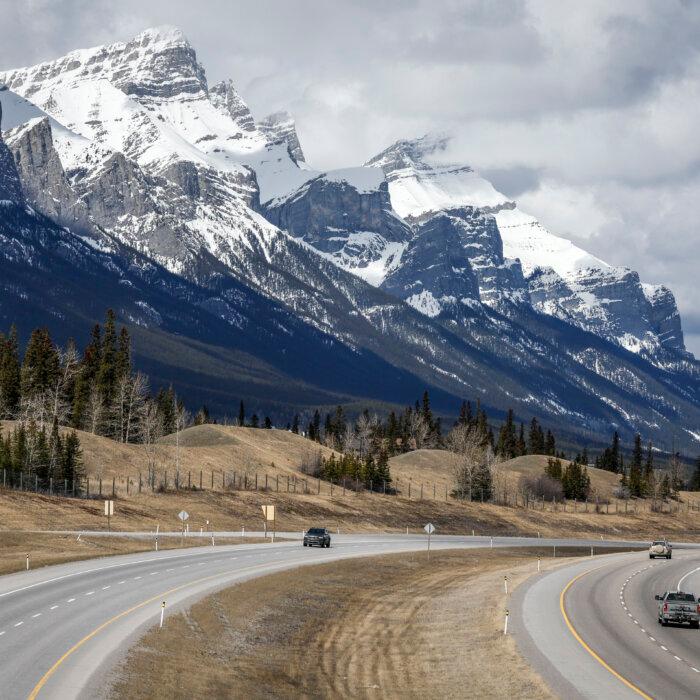
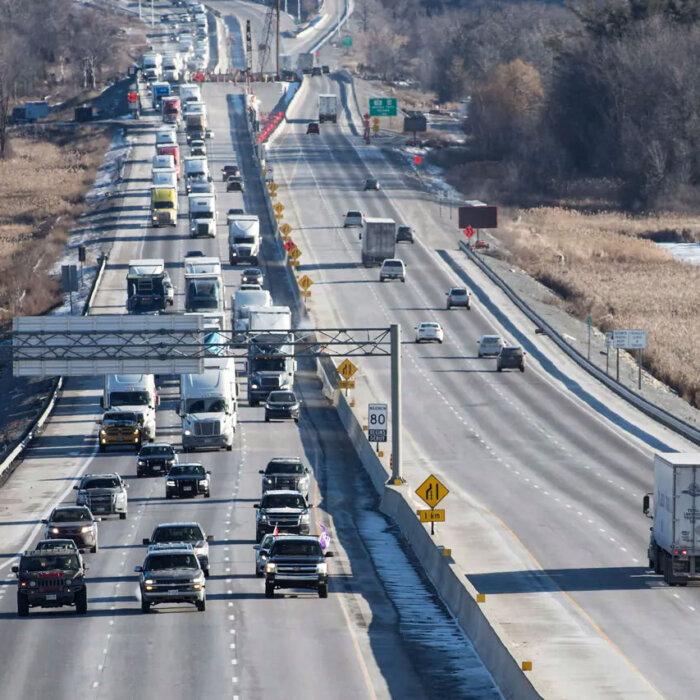
The province has not indicated which roads will be part of the trial, but it previously said highways that could be impacted by the speed limit change include Highway 1 from Banff to the Saskatchewan border (about 400 kilometres); Highway 2 between Edmonton and Calgary and south, excluding Deerfoot Trail (about 400 kilometres); the divided portions of Highway 3 (about 80 kilometres); Highway 4 from Lethbridge to the U.S. border (about 100 kilometres); Highway 16 from Hinton to Lloydminster (about 500 kilometres); Highway 63 from north of Highway 55 to Fort McMurray, and then north of Fort McMurray (about 270 kilometres); and Highway 43 from west of Edmonton to Grande Prairie (about 400 kilometres).
At the time, Turton said he had compared interprovincial and international speed limits and found that increasing the limit would “better synchronize” driving speeds without leading to safety concerns for drivers.
BC Speed Limit Increase
B.C. increased the speed limits on some of its highways in 2014, but reversed the decision in 2018, with the NDP government saying the higher limits caused safety issues.At the time of reversal, then-Minister of Transportation Claire Trevena said that the government needed to ensure people travel safely to their destinations, saying more crashes occurred after the speed limit was increased.
The provincial Ministry of Transportation and Infrastructure “thoroughly reviewed” about three years’ worth of data on 1,300 kilometres of highway where the speed limits had been increased, according to the B.C. government. It rolled back the higher speed limit on 570 kilometres of highway in 2018, on top of the 660 kilometres of highways that had the speed limit reduced in 2016.
“The remaining routes did not show higher accident rates and the speed limits will remain the same, including the Coquihalla where variable speed limits are in operation,” the government said at the time.