Alberta will shut down two supervised drug consumption sites this summer as the province continues to shift toward a recovery-focused strategy to address addiction.
“Our government has been very clear from the start that addiction is a health-care issue that requires treatment and recovery-focused supports,” Ellis told reporters in Calgary. “A health system works best when it helps people heal and get well, instead of leaving them in a cycle of crisis, and of course, struggling. We don’t want that.”
The Chumir Centre was established in 2017 in response to a rising opioid and overdose crisis. It was followed by six more sites across the province.
The province closed a site housed within the Royal Alexandra Hospital just north of Edmonton’s downtown core last year, as well as a site in Red Deer. The upcoming closures mean that only three supervised consumption sites will continue to operate in Alberta: two in Edmonton and one in Grande Prairie.
Addictions Minister Rick Wilson said the government is not planning to close the remaining sites. He said treatment services and recovery facilities in the capital city have not yet reached the standard needed to allow for the closure of the sites.
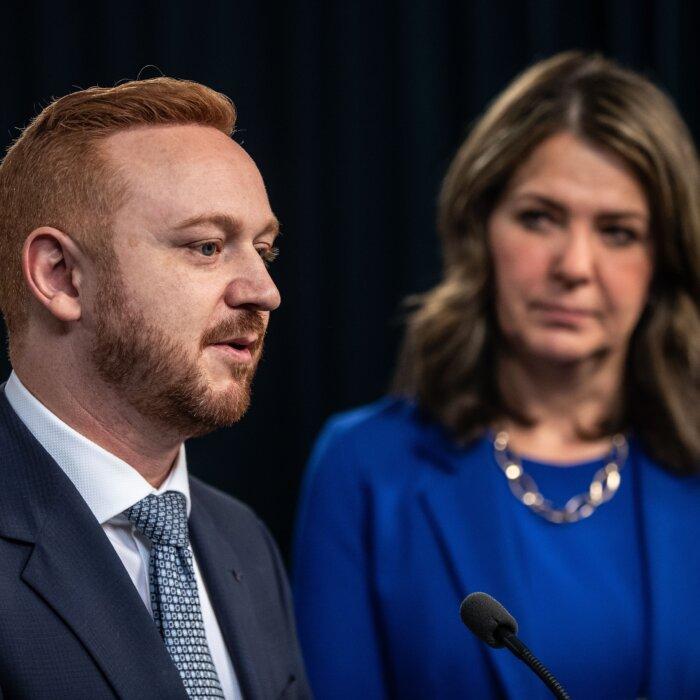

“There’s a lot of work to do still in Edmonton,” Wilson said at the press conference, noting that the city accounts for roughly 60 percent of opioid deaths in Alberta.
Focus on Treatment
The eventual goal is to move completely away from the supervised consumption model to focus on treatment, Ellis said, adding that such sites were always meant as a temporary response to the opioid crisis, rather than an ongoing solution.Funding will also be allocated to enhanced opioid dependency services with on-site intake support provided by a registered nurse, and 24-hour-a-day, seven-day-a-week response teams operating downtown to attend overdose calls. Lethbridge will receive similar services.
The change in approach will help take pressure off the health-care system, Ellis said. Getting people off drugs permanently means less congested emergency rooms and fewer ambulances tied up with overdose calls, he said.
The transition away from supervised consumption sites is already working, Ellis added, citing a peer-reviewed study by the Canadian Centre of Recovery Excellence. He said it examined what happened after the Red Deer site closed last year and found no rise in overdose deaths or in emergency room visits. There was, however, an increase in people accessing treatment and recovery services.
“It’s not about walking away from some of our most vulnerable people. It’s about doing better by them, and using our health system more effectively,” he said. “People need more than survival. They need hope. They need treatment, and they need a path to recovery and a better life.”