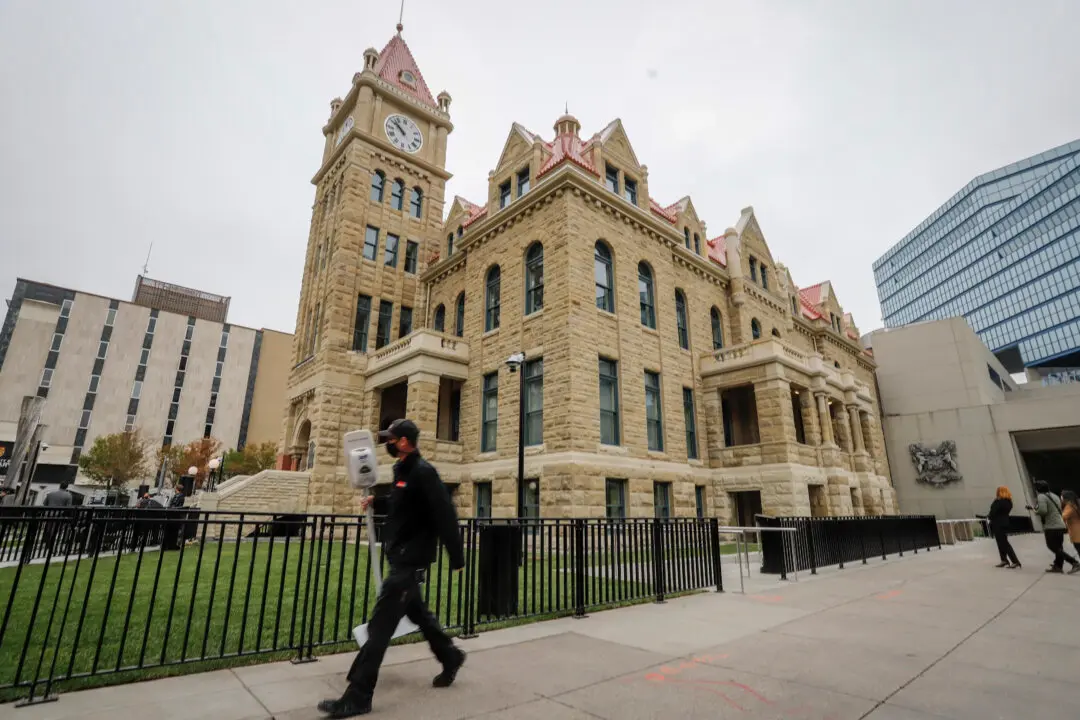
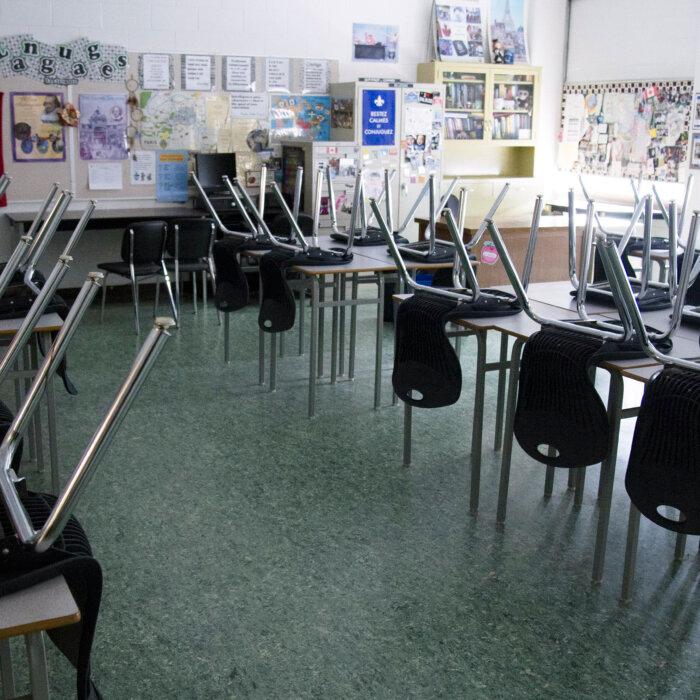
Alberta’s teachers’ union says it will return to the bargaining table after teachers went on strike on Oct. 6 following a majority vote by teachers against a proposal by the province.
The Alberta Teachers’ Association (ATA) said its members were looking for more to address classroom complexity and salary needs. Union president Jason Schilling previously said that more than 5,000 new teachers were needed, along with supports for larger class sizes and pay increases to keep up with inflation.
The ATA said on Oct. 9 that it was returning to the bargaining table based on the success of ongoing unofficial talks with the province.
“The exploratory discussions that took place since last Friday helped in the development of further negotiations,” the ATA said in a news release.
It added that it has “initiated a formal bargaining meeting” for Oct. 14 but said it was unable to provide further details.
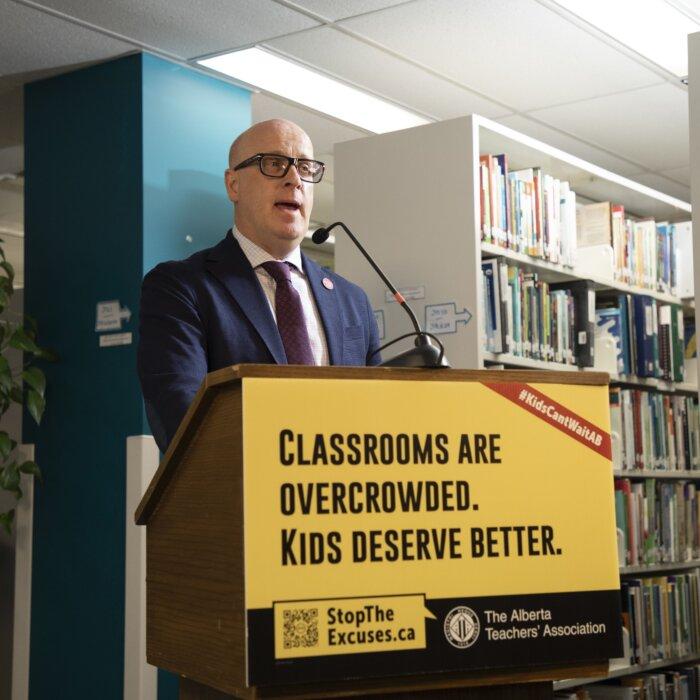
Minister of Finance Nate Horner said the government was “hopeful” that the ATA proposal is “reasonable, fair, and adequately represents the terms that teachers want to see.”
“We are focused on securing a deal that is fair to teachers, students and Alberta taxpayers,” he said in a statement provided by his office to The Epoch Times.
Formal talks will include the provincial negotiator, the Teachers’ Employer Bargaining Association, and a mediator, the ATA said.
The offer rejected by ATA members on Sept. 29 included a 12 percent salary increase over four years, and a government commitment to hire 3,000 more teachers and 1,500 more education assistants, according to the government.
The deal would also have transitioned teachers to a unified pay grid in September 2026, providing more than 95 percent of educators a wage increase up to 17 percent.
Nearly 90 percent of ATA members voted against it between Sept. 27 and 29. The ATA represents about 51,000 teachers, according to its website.
The strike is the largest teachers strike in the province’s history, impacting about 700,000 students at 2,500 schools across the province.
Smith said teachers don’t win because they are not paid while on strike, parents don’t win because they are trying to find childcare, and students don’t win because not everyone “can do online learning.”
She said the province and the teachers were not “that far apart” when it came to making a deal. Smith noted that the issues could be solved in the next round of negotiations.