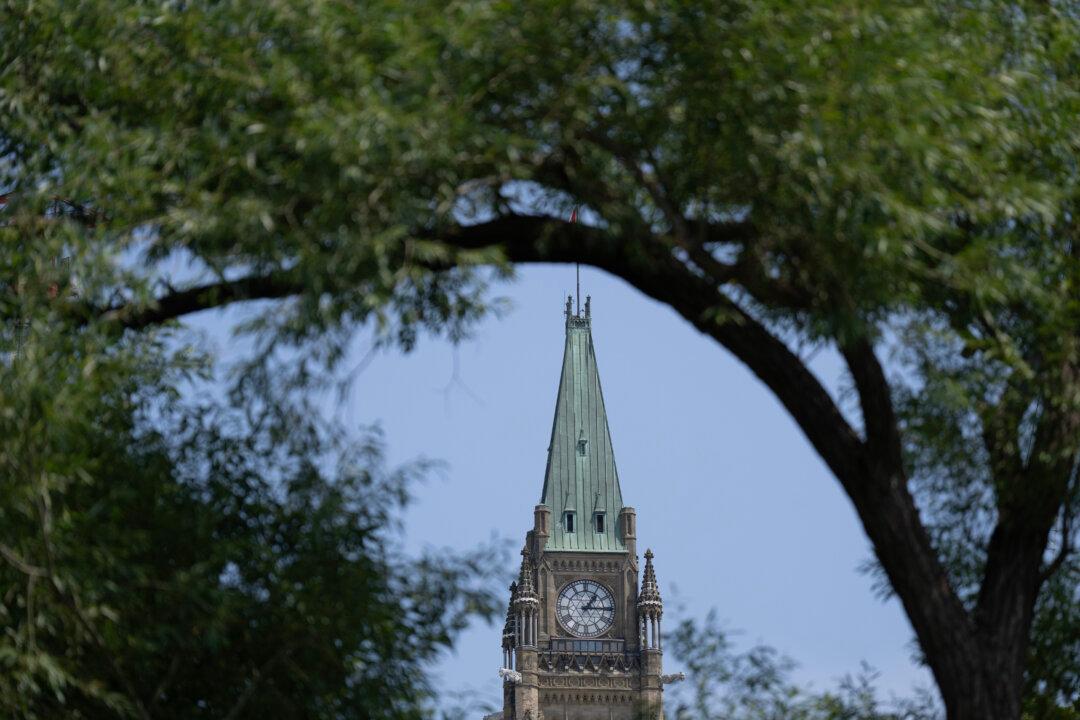
Alberta has announced plans to establish a new framework of province-wide rules to monitor misconduct and elevate the standards of behaviour for municipal councils.
Municipal Affairs Minister Dan Williams told reporters this week he will propose changes to the Municipal Government Act in the coming days, as the province looks to set clear, province-wide standards for councillor conduct.
The suggested Municipal Government Act revision comes after Premier Danielle Smith’s United Conservative government barred councils last year from implementing their own codes of conduct, saying such codes were sometimes misused to quash dissent within municipal councils.
“While some municipalities previously had adopted their own local codes of conduct, they created a patchwork of different rules across the province,” Williams said, adding that these rules didn’t always come with “robust guidelines” and sometimes resulted in complaints.
“Some negatively impacted the ability of a council and administration to effectively carry out their duties as elected officials and administration,” he added.
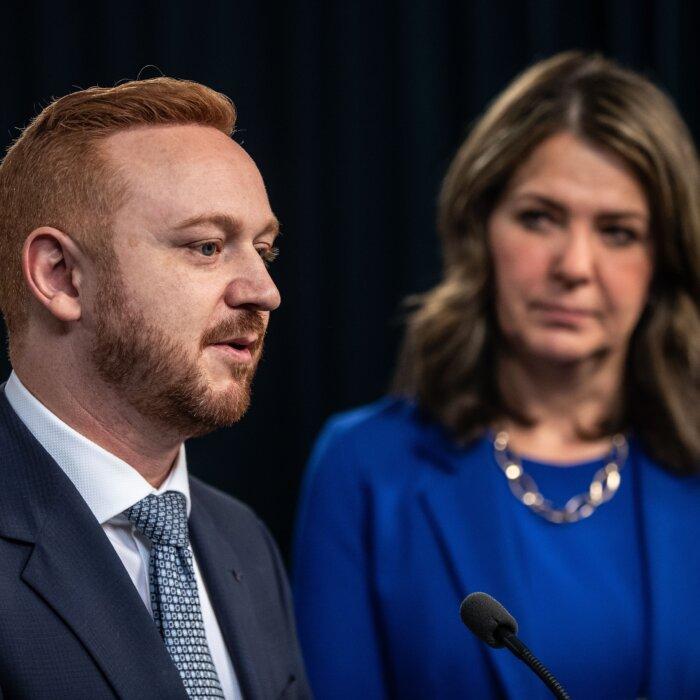
The recommended framework aims to create specific standards of conduct for elected officials, and would encompass confidentiality and financial issues, unauthorized use of municipal assets, inappropriate behaviour as a councillor, and the use of threats or improper influence, Williams said.
Under the framework, complaints will be directed to an independent third party appointed by the province, with municipalities covering investigation costs. Williams’ office would also be granted the authority to launch investigations into the conduct of a municipality if the amendments are enacted, he added.
Williams said penalties handed out under the framework would be based on recommendations provided by the independent investigator.
The minister said the measures do not mean the province is going to take over the governance of cities and towns, but it will set expectations and offer guidance.
“My job is not to be a mayor or a reeve. My job is to be the minister of municipal affairs,” he told reporters. “That means overseeing the system. Things like accountability, transparency, framework; not one municipality can solve these problems. It’s going to have to come from [the province] in a coordinated way.”
Alberta Municipalities President Dylan Bressey said his association has been asking for the reinstitution of codes of conduct and is pleased to see independent investigators as part of the plan.
“We are grateful to have been heard on that and see this rolling out,” Bressey told reporters. “We’ve heard a strong commitment from the minister to engage strongly with us as an association, with our fraternal associations, and also with our members to make sure that the roll out of associated regulations best serve Albertans and local councils.”
Provincial Review
There are some municipalities in the province that are going through viability reviews, Williams said.A viability review examines the sustainable future of a municipality and identifies subsequent actions, which may involve increasing property taxes or merging a town with its partner county.
Williams said some small towns with tiny tax bases have difficulty with costly infrastructure upgrades because they don’t bring in enough money to support such projects.
“This is a real challenge. I want to be there as a province, but I will not hide from the conversation around viability,” he said. “I will work with every municipality to that end and every circumstance will be different.”
The Town of Gibbons, located roughly 30 kilometres northeast of Edmonton, is one of the towns struggling to make ends meet. It is currently the subject of a provincial viability review after reaching a $13 million debt limit and depleting its reserves.
The town has received $500,000 in emergency provincial support through the Alberta Community Partnership program to sustain operations until the next tax period and has also received financial aid from the county.
The county said the final viability report will be available for public viewing later this spring, and will be followed by a community vote in Gibbons on potential next steps.