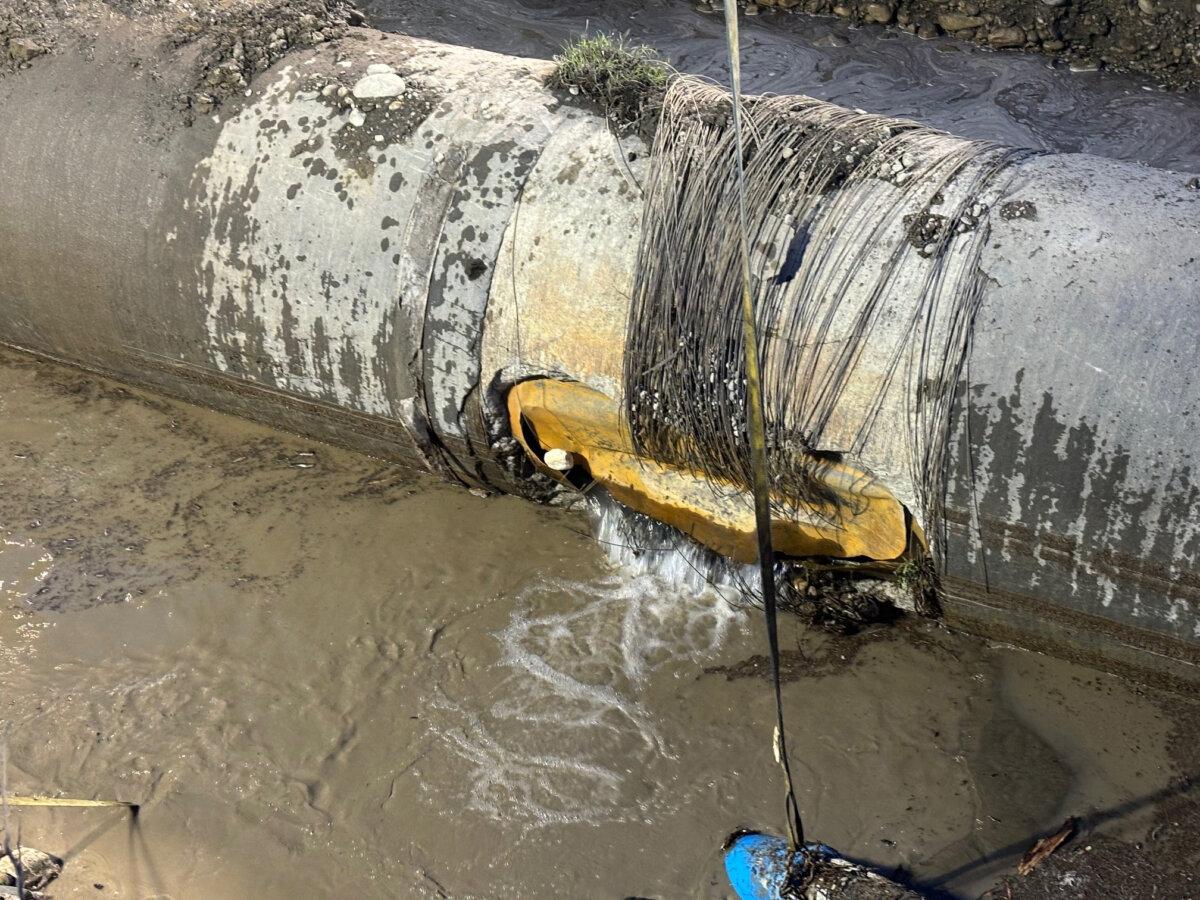
The Alberta government is launching a review of Calgary’s water system after the city’s largest water main ruptured on Dec. 30, the second break of the same feeder main in less than two years, as Calgarians continue to face water restrictions.
The Bearspaw main is Calgary’s largest feeder main and previously ruptured in June 2024, which similarly caused water restrictions across the city and surrounding municipalities.
Williams also posted a letter to X that he sent to the city’s mayor and council, in which he said the provincial government will be reviewing the matter on the basis that Calgary and neighbouring municipalities that depend on the city’s water services “have valid concerns that such an incident may recur.”
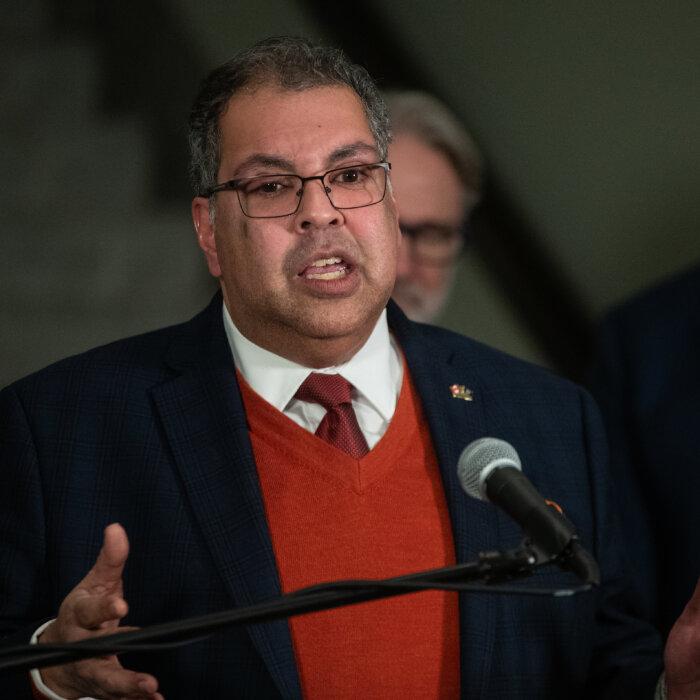
“I understand repairs are ongoing and the city aims to restore water service as soon as possible; however, I am concerned about implications for the capacity of municipal services and the confidence that Calgarians may have in the city’s ability to sustain this essential service,” Williams wrote.
He said he appreciates the efforts of city crews, emergency responders, and utility workers who have been responding to the situation, and recognizes the city has taken “several commendable steps” to review the circumstances leading up to the 2024 Bearspaw main break, including a pipe investigation and reviews.
However, Williams noted that as minister of municipal affairs, he is obligated, under the Municipal Government Act, to determine whether a situation in a municipality “warrants provincial intervention to ensure protection of good governance and the public interest.”
In exercising his authority under the Act, Williams said he has directed the city to provide him with “any and all information and documentation” related to the city’s general water main infrastructure asset management practices, focusing on those that could potentially impact the Bearspaw main. “This includes all relevant materials dating from the McKnight Feeder Main rupture in 2004 to present,” he said.
Williams has requested access to documentation including city council and committee records; city council plans reports, policies, and budget documents; media reports of council decisions; and feeder main technology materials, among several other types of materials.
‘Fix Any Gaps’
Alberta Premier Danielle Smith says she appreciates Williams’s work to launch a “full, transparent review of Calgary’s water main failures so we can get answers, fix any gaps, and help councils make better long term decisions for the people they serve.”Calgary Mayor Jeromy Farkas also wrote a letter to Williams, saying he appreciates the minister’s engagement and the province’s support during the incident.
Farkas said the city will “work cooperatively” to provide the requested documentation and information to the province, noting he will work with the city’s administration to coordinate the collection of the materials
Williams said the city has until Jan. 27 to provide the requested documents, and if the city can’t provide any of those documents, he has asked that the city provide “an explanation as to why.”