The Alberta government is hiking the cost to apply for a citizen-initiated referendum to $25,000 in an effort to discourage “frivolous” applicants and ensure only those who are “serious” apply.
The fee increase comes amid a recent wave of recall petitions in Alberta targeting Premier Danielle Smith, several cabinet ministers, and United Conservative Party (UCP) MLAs.
“Increasing the citizen initiative petition application fee set out in the Citizen Initiative Regulation will ensure that only applicants with a serious interest in proposing a legislative initiative, policy initiative, or constitutional referendum question apply,” Heather Jenkins, press secretary for Alberta Justice Minister Mickey Amery, told The Epoch Times in a Dec. 19 email statement.
Citizen initiative petitions are “costly” and the higher fee aims to “discourage frivolous applications and protect Alberta taxpayers,” Jenkins said, adding that the application fee will be refunded to the applicant if they meet the required number of signatures and complete the reporting requirements.
Applicants have 30 days to raise funds to cover the cost of the application fee under the Citizen Initiative Act, beginning immediately after the chief electoral officer files notice of the applicant’s intent to apply.
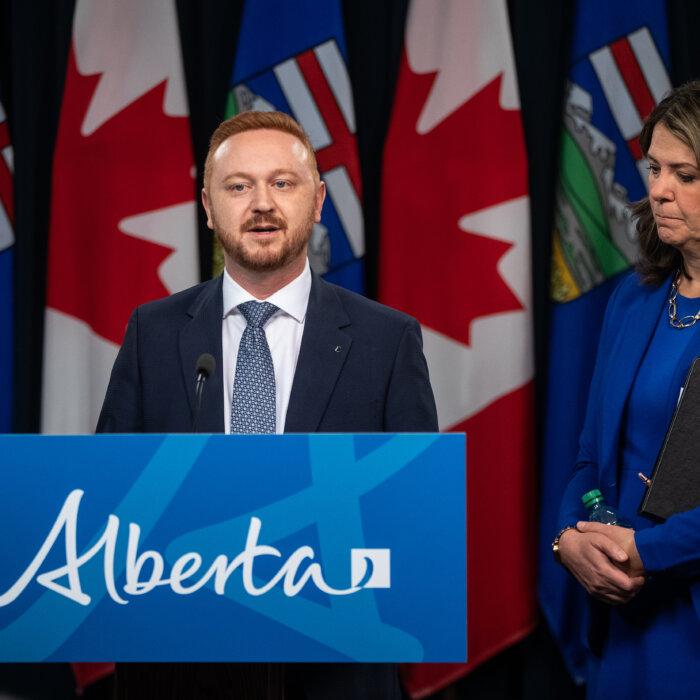

She said her province would “wait and see” while those behind the petitions attempt to collect enough signatures in their ridings to make the petitions valid.
The three other petitions involve Alberta separation, private school funding, and coal mining in Alberta’s Rockies.
The organizers proposing the petitions for an independence referendum in Alberta and for ending private school funding will also avoid the $25,000 fee as they applied before the new fee came into effect.
“This change is clearly meant to stifle democratic action by citizens who are simply exercising their rights under legislation created by the UCP themselves,” Sabir said in a statement posted on X. “This is a concerning trend from this government where they change the rules and processes when they no longer work in their favour.”