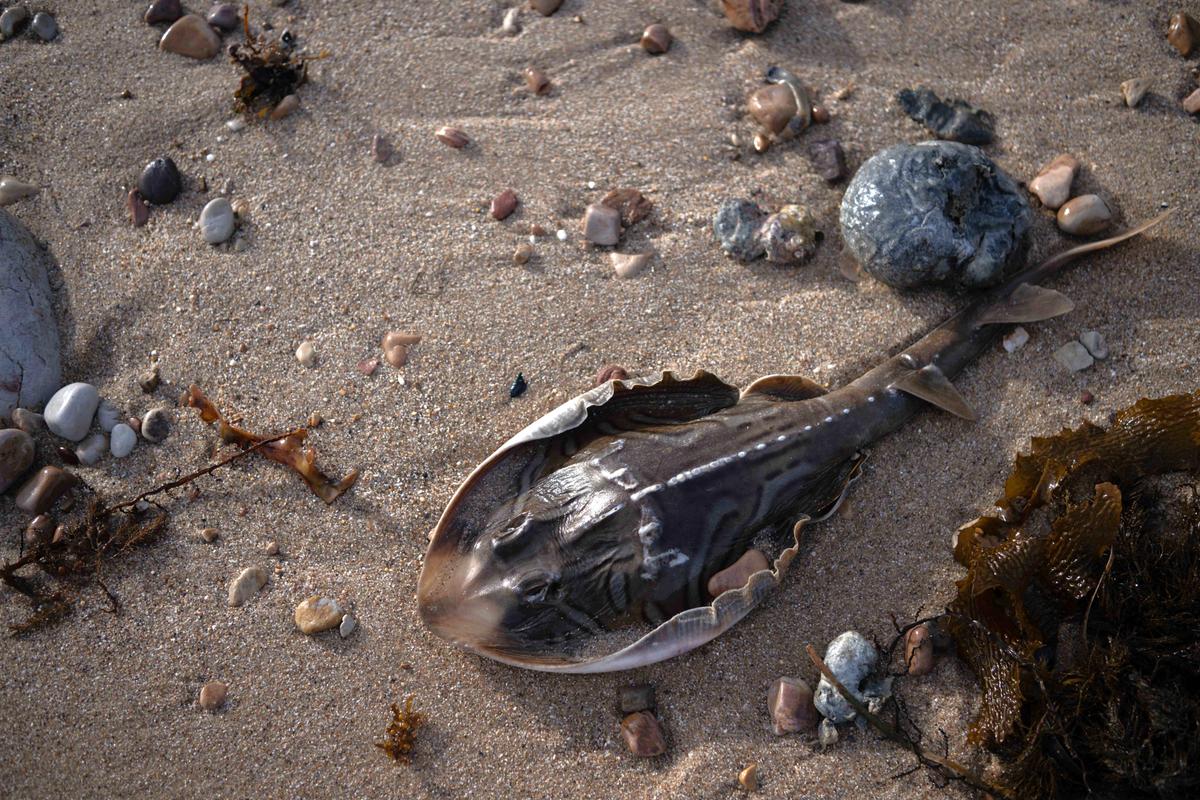
South Australia is grappling with one of its worst marine disasters as a harmful algal bloom, stretching across 500 kilometres of its coastline, has been devastating ecosystems for at least five months.
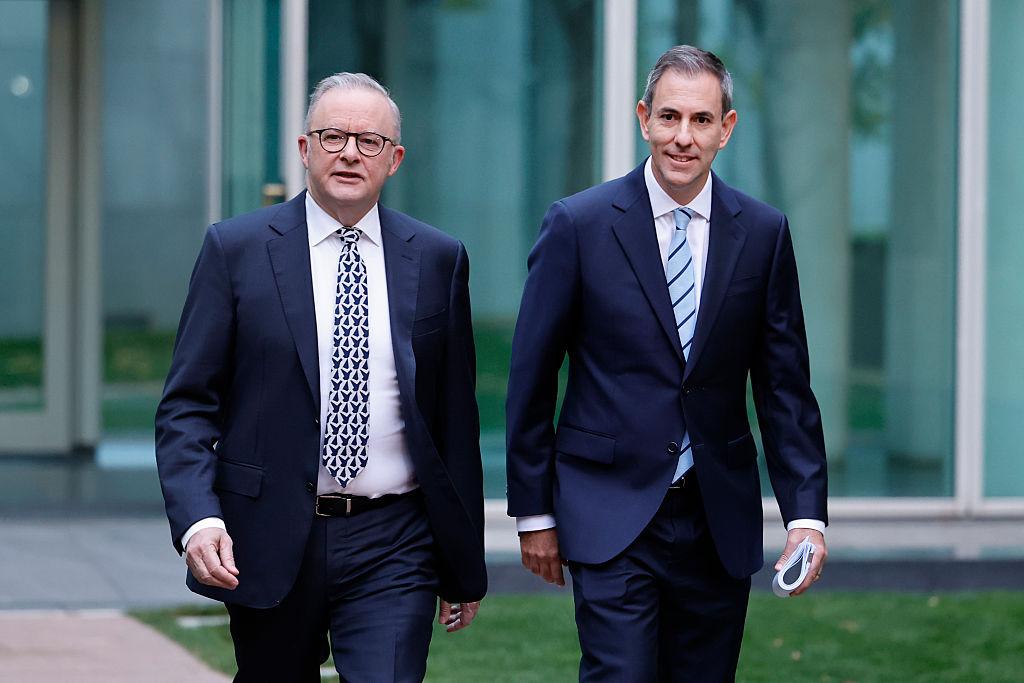
Prime Minister Anthony Albanese confirmed he will travel to South Australia next week to see the damage firsthand.
“I'll be there next week. I had a discussion with [South Australian Premier Peter Malinauskas] over the weekend,” he told ABC Breakfast News on Aug. 12.
Albanese pointed to the combination of nutrient flows and abnormally high sea temperatures as key drivers of the crisis.
“This isn’t something that’s the fault of any government, it’s something that is a consequence of those nutrients and those high water temperatures which are there ... [and] well over what is normal for this time of the year,” he said, noting the conditions were having “a very real impact.”
He added that a range of environmental pressures was having an effect “right around” the country and said there was a need to deal with both the immediate consequences and “the long-term issues that are coming as a result of climate changing.”
Experts Warn Crisis Was Foreseeable
The Biodiversity Council described the event as foreseeable and “a human-mediated disaster—enabled by an extended marine heatwave, likely fed by a large pulse of nutrient-rich floodwater and coastal upwelling, and exacerbated by widespread loss of marine ecosystems that once provided natural water filtering and resilience.”
In a statement released on July 24, it has urged governments to act on seven priority measures. These include fast-tracking emergency interventions for species at risk, such as the giant cuttlefish aggregation near Whyalla.
The council also recommends investing at least $10 million into immediate biodiversity impact research. Another priority is accelerating decarbonisation to minimise ocean warming.
Governments are also being urged to reduce nutrient and dissolved carbon pollution, and restore and protect kelp, mangroves, seagrass, and shellfish reefs.
Support Package and Community Forums
Meanwhile, to tackle the crisis, a $28 million joint package from the South Australian and federal governments has been announced. The funding will support research, clean-up operations, industry assistance, community programs and public awareness campaigns.Small businesses hit by the bloom will be able to apply for grants of up to $10,000, while severely affected commercial fisheries and aquaculture licence holders can access up to $100,000.
Community forums will be held in nine regional locations, including the Fleurieu Peninsula, Kangaroo Island, Coorong, Yorke Peninsula, Limestone Coast, and Eyre Peninsula.
Residents will hear from the premier, Deputy Premier Susan Close, and scientific and public health experts such as Chief Public Health Officer Professor Nicola Spurrier and Professor Mike Steer from the South Australian Research and Development Institute.
“In addition to hearing firsthand community experiences, the forums will provide opportunities for Government agencies to provide vital information about the work being done to respond to the algal bloom,” said Close in a statement on Aug. 5.