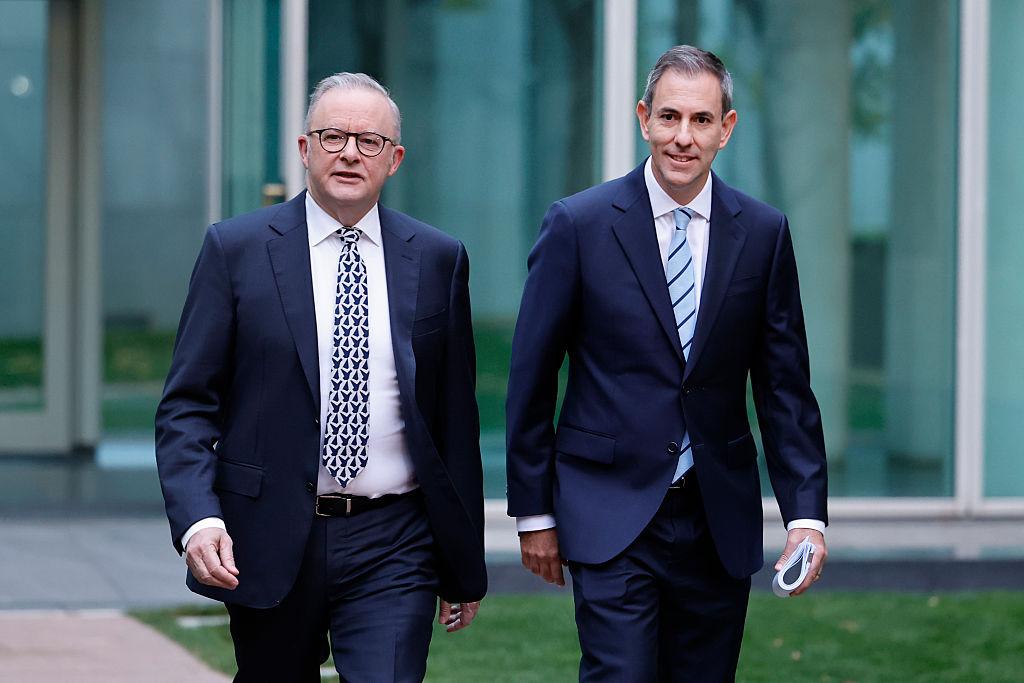
A week after Australia’s eSafety commissioner called for YouTube to be added to the federal government’s under-16 social media ban, Prime Minister Anthony Albanese was lukewarm to the idea.
When asked directly, he did not make any commitments, instead cited the ongoing 12-month trial period.
“That’s why we set up a 12-month period. It was done in a bipartisan basis,” Albanese said.
“We continue to work on a bipartisan basis. I note that there’s widespread support for this and increasingly, I think amongst the public, there is greater consciousness of the damage that social media can do on the mental health of young people.”
Misogyny and Online Violence in Focus
While sidestepping the YouTube question, Albanese drew attention to the broader harms of online content—particularly the rise in violent and misogynistic material affecting boys and young men.“There’s growing concern around young men and boys being exposed to graphic material which does not promote healthy relationships,” he said. “It can often promote a violent perception and misogynistic attitude towards women. And it is a scourge.”

Referencing government efforts to combat violence against women, the prime minister added, “More than one woman per week has lost their life on average this year. That is something completely unacceptable.”
eSafety Commissioner Sounds Alarm
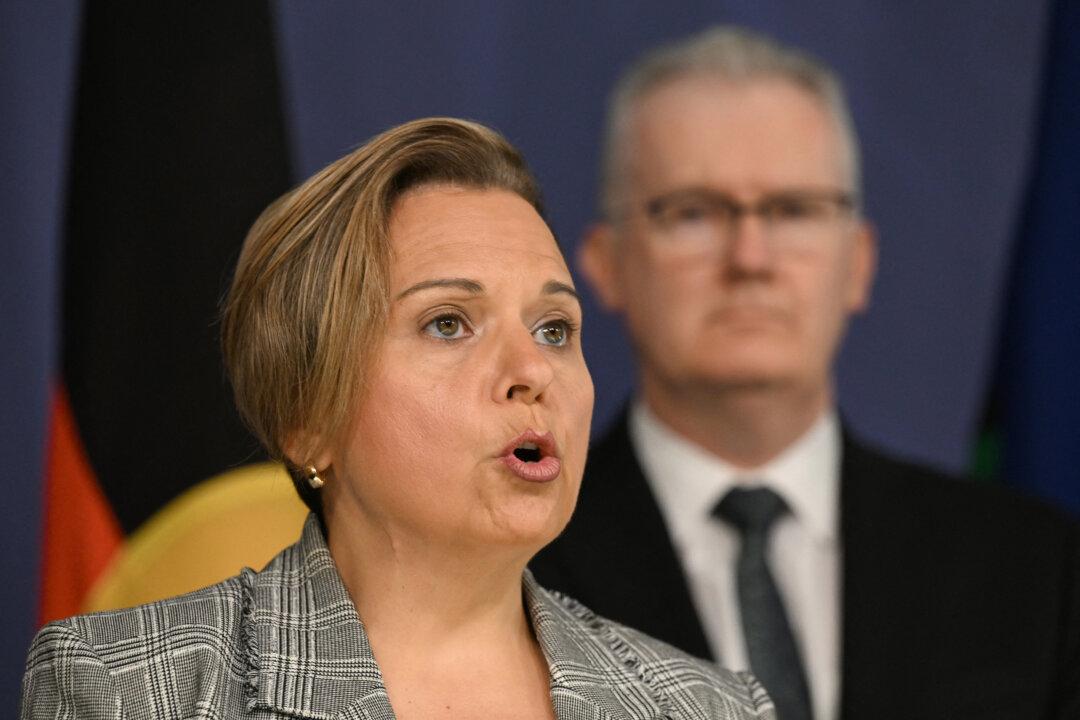
eSafety Commissioner Julie Inman Grant last week urged the government to revisit YouTube’s exclusion, warning that the platform exposes children to the very dangers the new age ban seeks to prevent.Findings from her office’s Keeping Kids Safe Online survey revealed that 53 percent of children aged 10 to 17 experienced cyberbullying, and 74 percent had encountered harmful content online.
Among the most common experiences were hurtful comments (38 percent), deliberate social exclusion (35 percent), and humiliating messages (25 percent). Nearly half had viewed violent videos, misogynistic content, or dangerous online challenges.
YouTube Pushes Back, Cites Educational Use
YouTube has rejected the push, arguing it is a video-streaming platform, not a social media network. The company maintains it delivers valuable educational content and is often accessed via television rather than phones.“YouTube is not a social media platform. It is a video-streaming service that provides high-quality educational and entertainment content,” said Rachel Lord, YouTube’s Australian public policy manager.
“This recommendation contradicts the government’s previous assessments,” Lord said.
YouTube also pointed to the federal government’s age-assurance trial, which showed that a majority of Australians considered the platform suitable for children under 15.