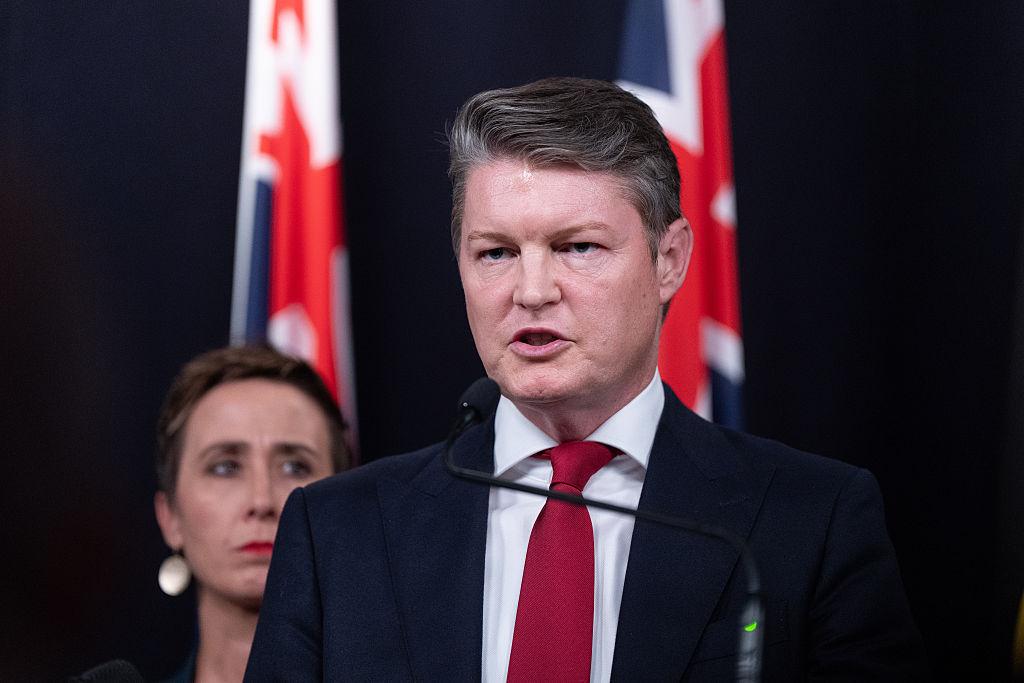
Prime Minister Anthony Albanese has pushed the need for Australians to deal with climate change amid higher electricity prices and natural disasters.
This came after it was revealed that Australian households would face electricity price hikes of up to 10 percent in the future.
When questioned if Australians are paying higher power bills partly due to the shift to renewables, Albanese said, “Well, we know that we have to deal with the challenge of climate change.”
The prime minister added that people who question the science need to “have a look at what’s going on, not just here but in the world.”
Albanese had been warning that we are seeing “more extreme weather events” amid the New South Wales floods.
“Australia is particularly vulnerable, and the science told us that that was the case, which is why we have a responsibility, in my view, not just to take action domestically, but to be a part of global action as well,” he said during a press conference in Canberra.
The prime minister clarified that not every weather incident was linked to climate change.
“We’ve always had floods and droughts in Australia—always had that. But what we do know is that they are more frequent and they are more intense,” he said.
His comments came after it was revealed that electricity prices in New South Wales could surge by 7.9 to 9.7 percent from July 1.
Reliable Backup Needed
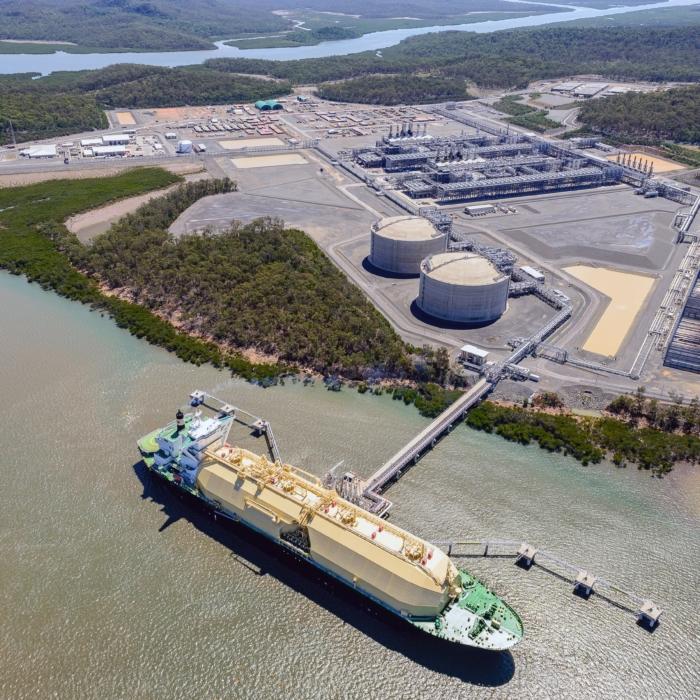
As the Labor government leans heavily towards renewable energy, Albanese conceded there is a need for reliable backup when asked how any approval of the North West Shelf extension could be justified.The project has been supplying natural gas to Western Australians for 40 years, and the extension is regarding the environmental approval of the ongoing project beyond 2030.
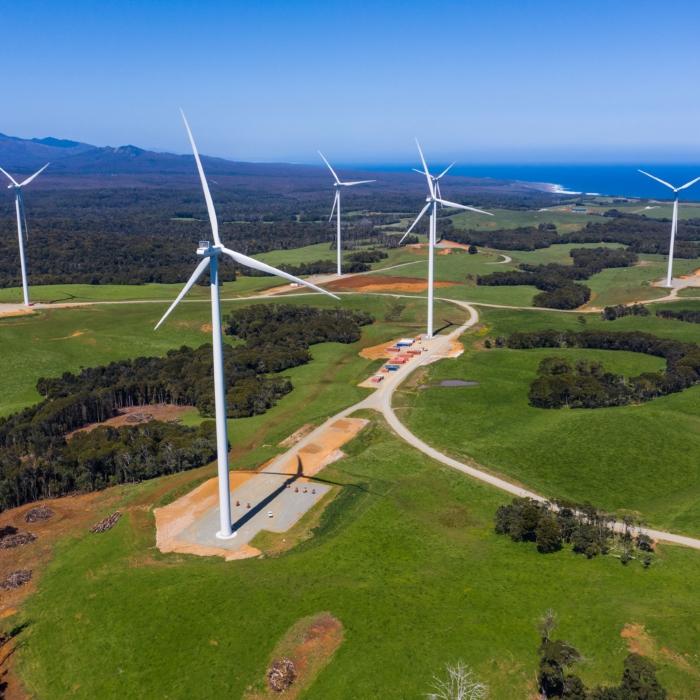
“You can’t have renewables unless you have firming capacity. Simple as that. You don’t change a transition through warm thoughts,” Albanese said.
“You do it through a concrete proposal, which is the expansion of renewables up to 82 percent of the grid. But the way that that occurs is it needs firming capacity to occur.”
To reinforce his argument about the need for firming capacity, Albanese pointed to the Tomago aluminium smelter in the Hunter Valley.
Liberals and Nationals Debate Nuclear and Net Zero
Ahead of the election, Labor promised to achieve 82 percent renewables by 2030. In their first term of government, they legislated the net zero authority.Meanwhile, the Coalition have been debating the need for nuclear energy to remain in the energy mix post-election.
The National Party called on the Liberal Party to leave the door open on nuclear power for the two parties to work together as a Coalition.
However, views within the Liberal Party are mixed.
On Four Corners, Liberal frontbencher Andrew Hastie said nuclear should be part of the energy mix, while moderate Senator Maria Kovacic agreed with dumping the nuclear policy.
Others want to see net zero abandoned entirely.
Liberal Senator Alex Antic recently called for the Liberal party to “dump net zero” in order to appeal to the electorate.
Nationals leader David Littleproud is leaving the door open on net zero but revealed it would be up for review in this term of parliament, along with other policies.
“I think we’ve got to understand that the world is finding it increasingly more difficult to achieve net zero by 2050, and there’s a serious economic impact,” he told Sky News Australia on May 26.