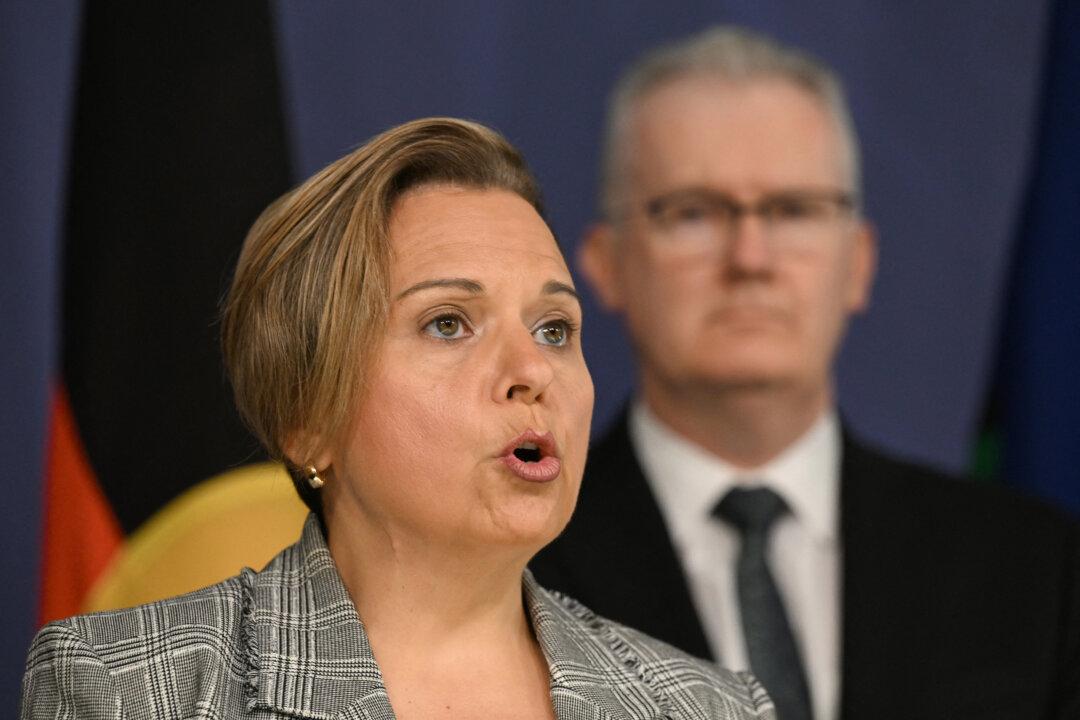
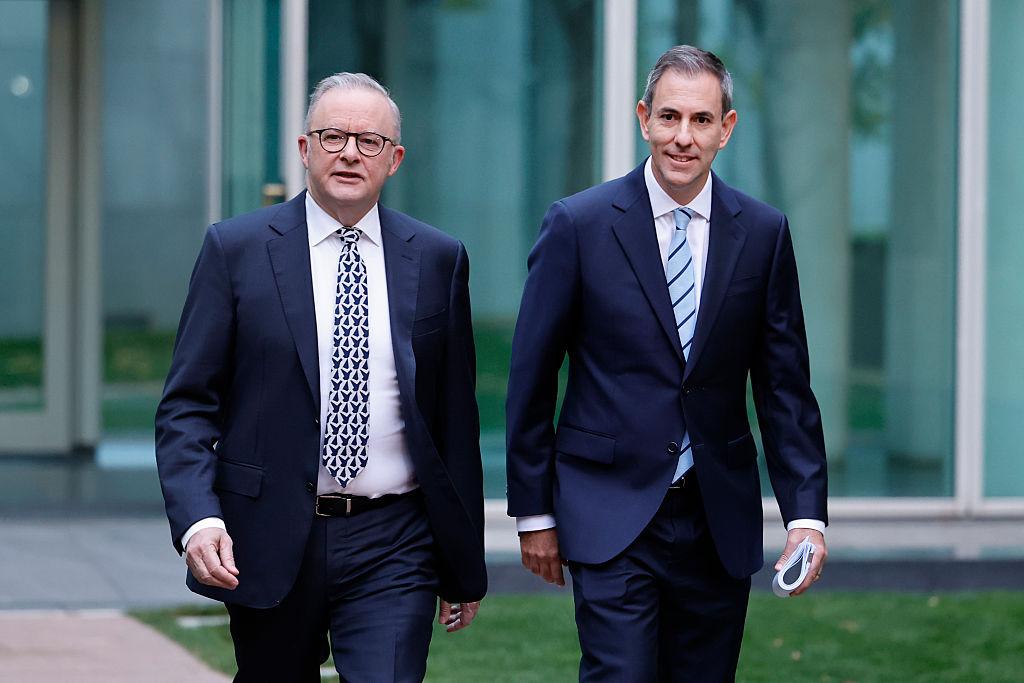
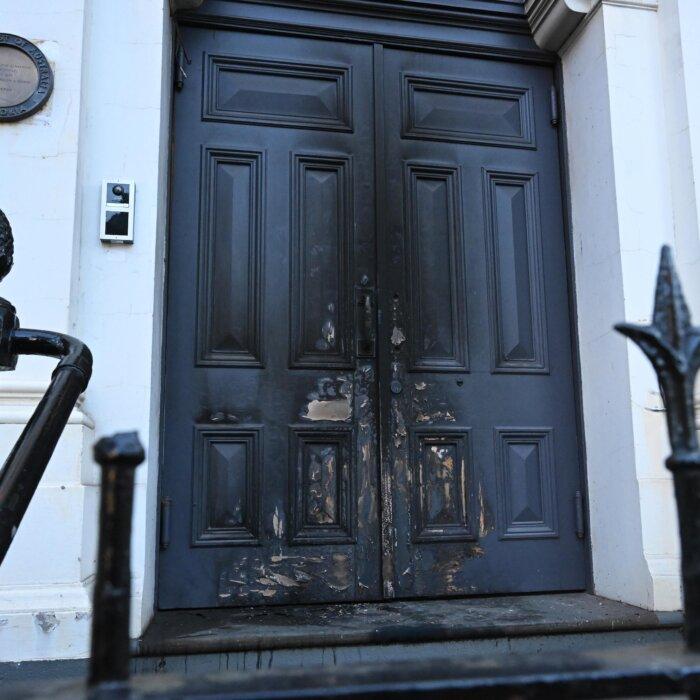
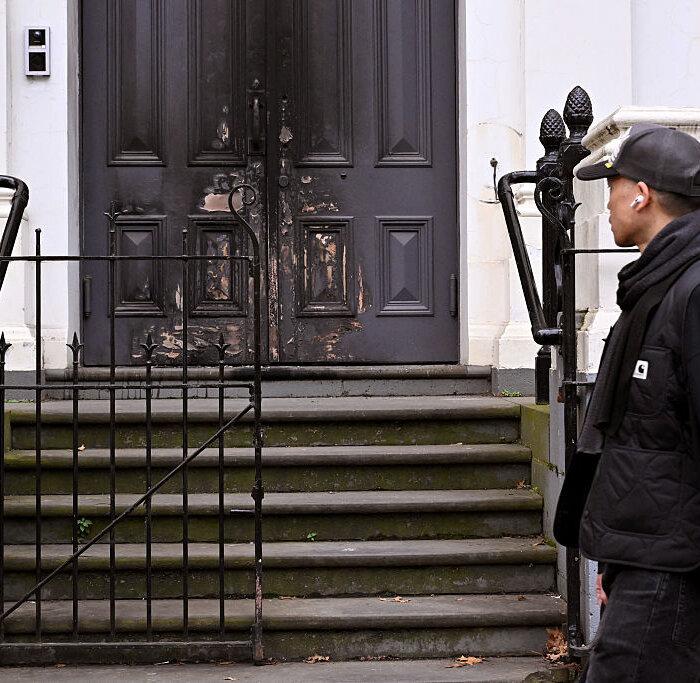
Prime Minister Anthony Albanese has rejected calls for a national cabinet meeting in the wake of a suspected arson attack on a Melbourne synagogue, insisting that the focus should be on action, not bureaucracy.
“What people want is not a meeting. They want action,” Albanese told reporters in Hobart on July 8.
He added that the government is already working on a proposed civil task force with a three-year mandate to tackle these issues, guided by national security advice.
PM Cites Swift Action and Security Funding
Albanese said he had spoken to Jewish community leaders on July 5, and highlighted that every request for support from the community had been promptly addressed.“And indeed, on Saturday, one of the reasons why this gentleman has been caught so quickly is because the CCTV that was in place there was as a direct result of Commonwealth Government funding,” he said.
The reinforced doors at the synagogue were also funded by the federal security program.
Ley Endorses 15-Point Strategy
Meanwhile, Opposition Deputy Leader Sussan Ley visited members of the Hebrew congregation in Melbourne and expressed deep concern over the rising levels of antisemitism.She pledged that a Coalition government under her leadership would adopt the Executive Council of Australian Jewry’s (ECAJ) 15-point national strategy to combat anti-Semitism.
“It was incredibly distressing to hear their stories and to have unfortunately affirmed that the rising tide of anti-Semitism in this country after Oct. 7, 2023, has reached an unacceptable level,” Ley said.
Targeting the Albanese government, she added, “I want to know what Albanese is doing to protect Jewish Australians. I want to know what the government plans, because, as we heard today, words are not enough.”
She argued current laws are failing the Jewish community.
ECAJ Plan Urges Emergency Declaration
The ECAJ’s 15-point national strategy, presented in February this year by co-CEO Alex Ryvchin at the Sky Anti-Semitism Summit, urges the government to declare anti-Semitism a national emergency.It also recommends forming a joint counter-terrorism taskforce, embedding anti-Semitism education in schools, regulating university responses, and tightening scrutiny over hate speech by religious preachers and charities.
Other proposals include visa restrictions on individuals with a history of anti-Semitism, regulating social media algorithms, and attaching funding conditions to cultural institutions.