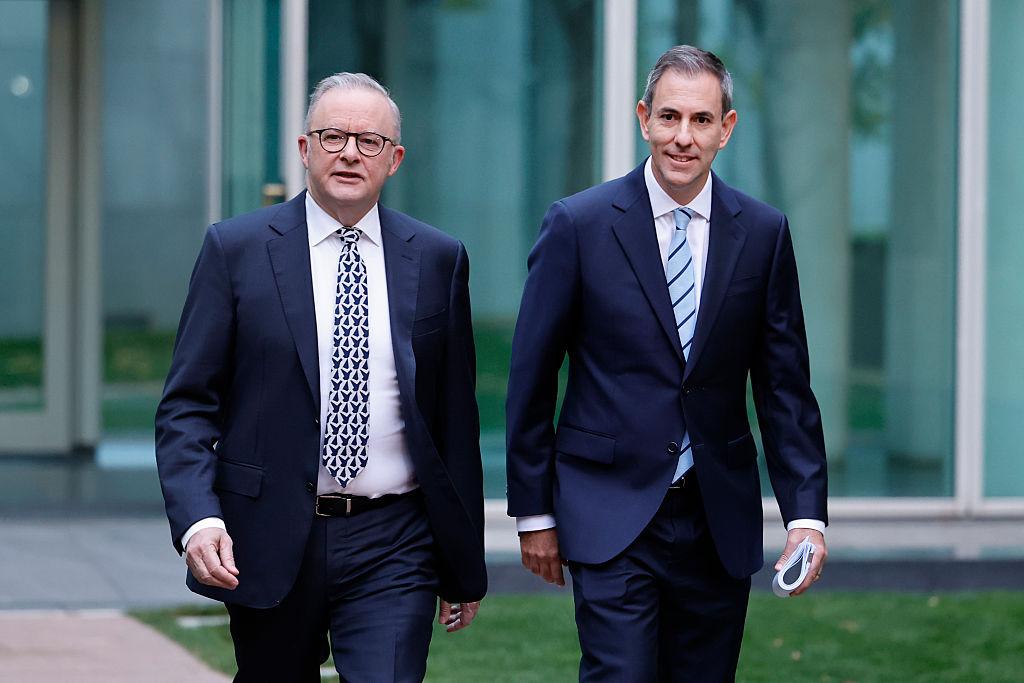
Prime Minister Anthony Albanese has confirmed that the United States did not inform Australia before launching air strikes on Iran’s nuclear site at Fordow, emphasising that it was a unilateral move by Washington.
“We’ve made it very clear this was unilateral action taken by the United States,” Albanese told reporters on June 23, when asked by reporters about whether Australia was briefed beforehand or if U.S. military bases on Australian soil played any role.
Albanese said Australia supports efforts to prevent Iran from acquiring a nuclear weapon, but that support stops short of endorsing further military escalation.
“The world has long agreed that Iran cannot be allowed to get a nuclear weapon and we support action to prevent that—that is what this is,” he said.
He added that the U.S. action was directed at specific sites central to Iran’s nuclear program.
“We don’t want escalation and a full-scale war,” he said.
While affirming non-proliferation goals, Albanese stressed that a military solution is not the endgame.
“As I have said for many days now, we are deeply concerned about any escalation in the region and we want to see diplomacy, dialogue, and de-escalation,” he said.
The prime minister said Australia had consistently called on Iran to return to negotiations and meet its international obligations.
“That’s why Australia called upon Iran to come to the table and abandon any nuclear weapons program,” he said. “Iran didn’t come to the table just as it has repeatedly failed to comply with its international obligations.”
Albanese was also asked to explain the intelligence that informed Australia’s position on Iran’s nuclear ambitions.
He said “there was no other explanation” for the enrichment of uranium “other than engaging in a program that wasn’t about civilian nuclear power.”
Australia Evacuates Embassy Staff From Tehran
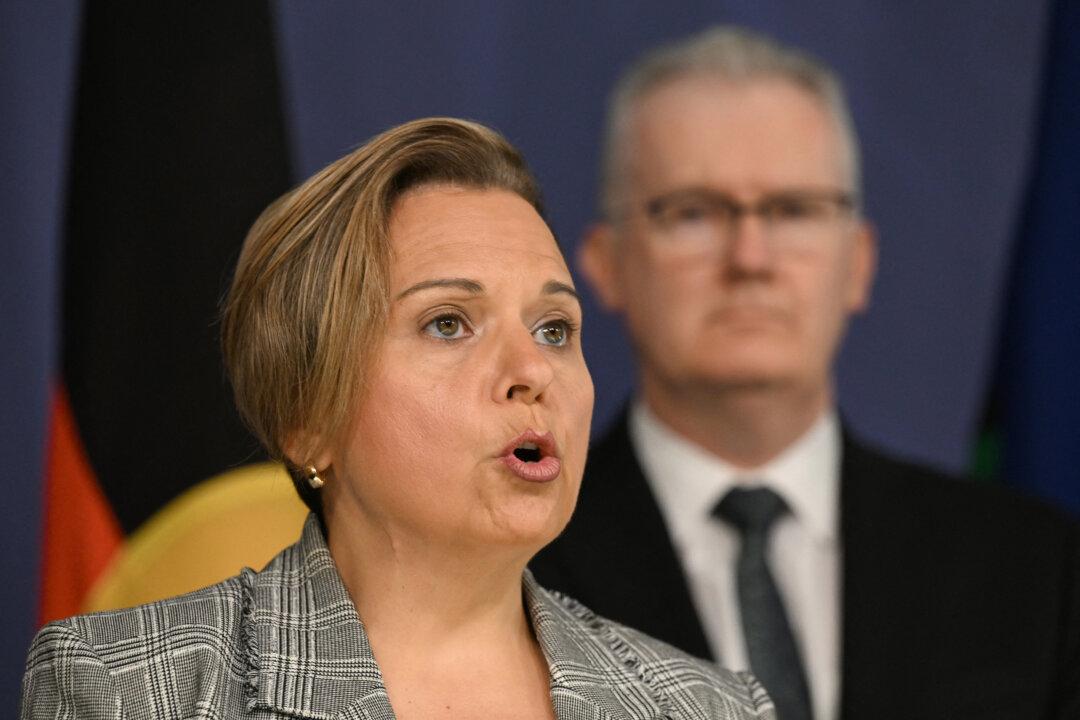
As the security situation deteriorates, Foreign Minister Penny Wong confirmed the withdrawal of diplomatic staff from Australia’s embassy in Tehran, calling it “a difficult decision.”“We were very conscious of the history in Iran ... and the advice to me—which I discussed with the prime minister and the deputy prime minister—was to ensure we got our people out,” Wong said.
She said more than 3,000 Australians and their family members have registered for assistance to leave Iran, though options remain limited due to closed airspace.
“We have deployed people to the Azerbaijani border in the event that more Australians are able to exit through that border,” she said.
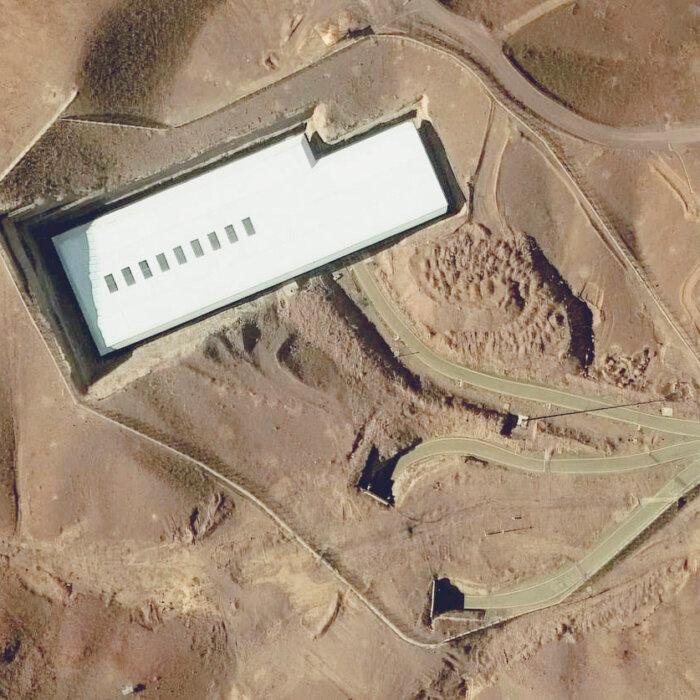
The situation follows a dramatic escalation on June 21 night, when U.S. President Donald Trump ordered strikes on three major Iranian nuclear sites.
Trump declared the facilities had been “obliterated,” though Iranian officials have downplayed the damage—mirroring their response to the Israeli airstrike on June 13.