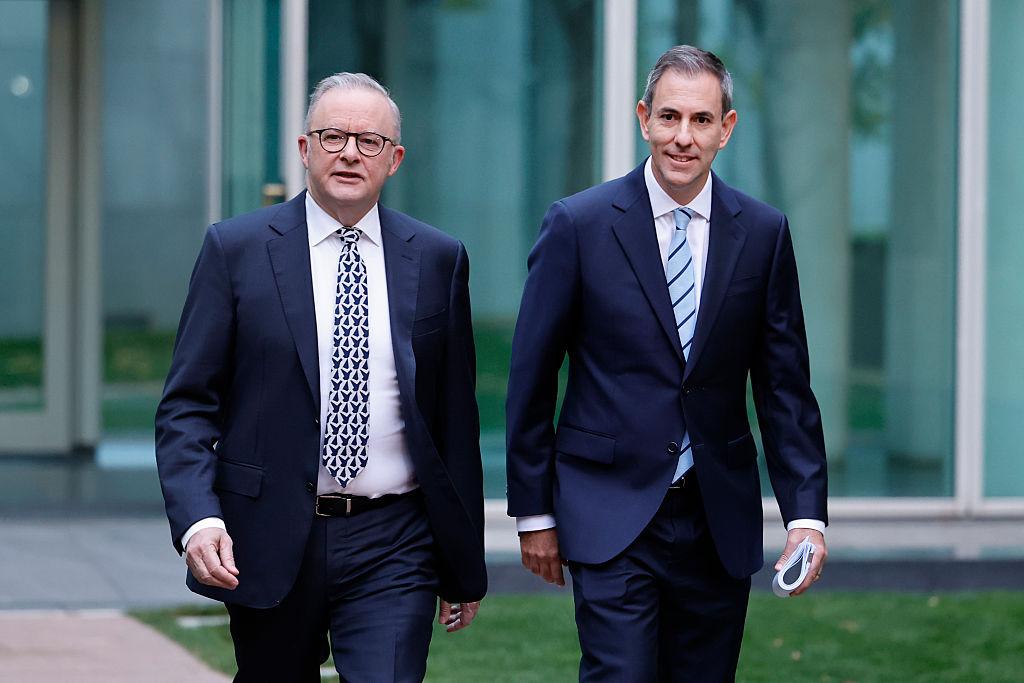
Prime Minister Anthony Albanese has defended the right of Australians to peacefully protest after nearly 90,000 demonstrators marched across the Sydney Harbour Bridge on Aug. 3.
“In a democracy, it’s a good thing that people peacefully express their views. It’s not surprising that so many Australians have been affected and want to show their concern at people being deprived of food, water and essential services,” Albanese told reporters on Aug. 4.
While the prime minister stopped short of directly stating whether he personally backed the demonstration, he praised the peaceful nature of the rally.
Ley Says Protest Disruptive
Opposition Leader Sussan Ley criticised the impact of the protest on Sydney traffic, questioning whether access to emergency services was compromised due to the closure of the major route.“It’s not reasonable that we have protests that shut down a major arterial route. It’s not reasonable that we throw Sydney into chaos for hours and hours, and I just wonder about the people who genuinely needed emergency services and had to wait or couldn’t actually get them,” Ley said from Western Australia.
Premier Flags Legislative Review
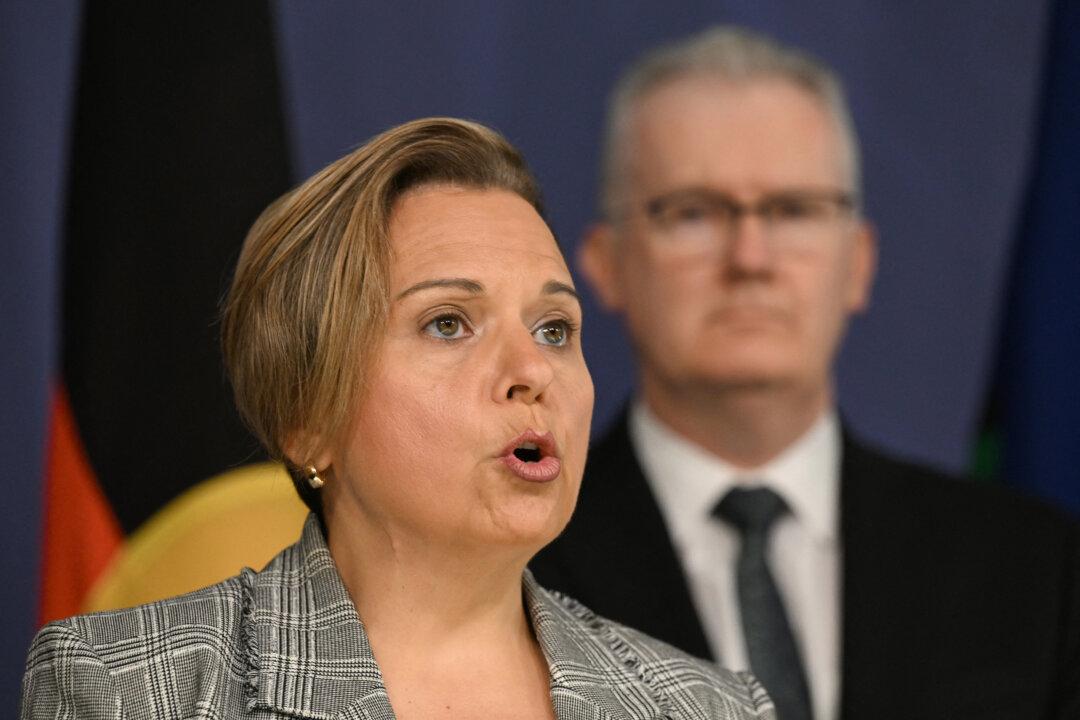
Minns, whose police force lost a court bid to stop the rally, said the protest had cost taxpayers millions in overtime and security, though a final figure was yet to be determined.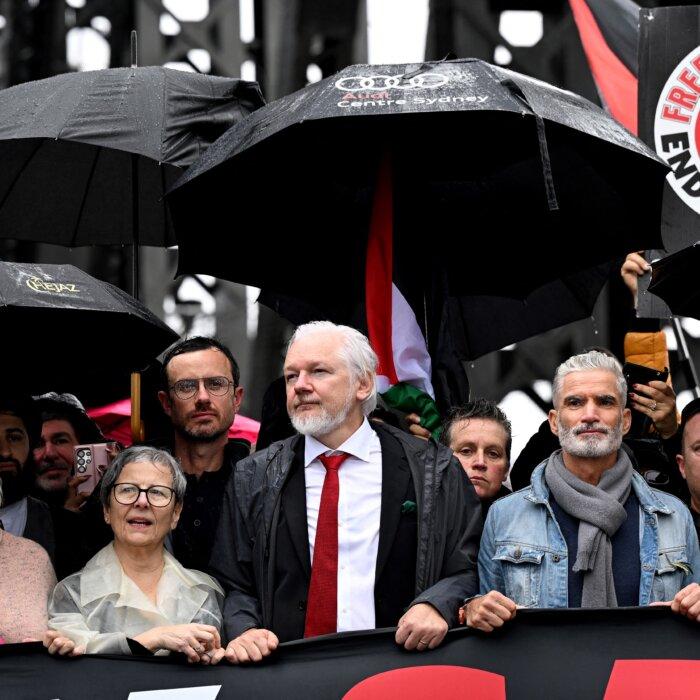
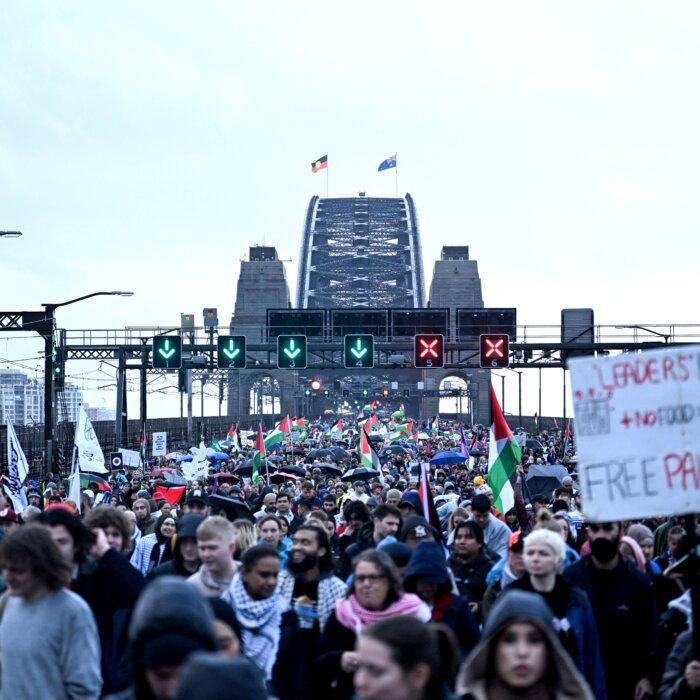
“Even most reasonable people would expect that, ‘Yes, you do have, from time to time, massive demonstrations, even if it’s on the bridge.’ But knocking it out every week is just not something that we can consider forever,” he said.
The premier hinted at legislative changes to limit such demonstrations but ruled out rushing the process.
“We thought we were on firm ground with the police rejection ... but the Supreme Court knocked it over. So I don’t want to make the same mistake twice,” Minns said, adding that the state government is now reviewing the ruling’s legal implications.
NSW Police had attempted to block the protest by denying a permit, citing safety concerns and disruption.
However, the Supreme Court rejected the application, with Justice Belinda Rigg ruling that the right to freedom of assembly and speech outweighed public inconvenience.
“The application by the commissioner should be refused,” she ruled, also granting protestors immunity from several offences, including blocking traffic and obstructing pedestrians.