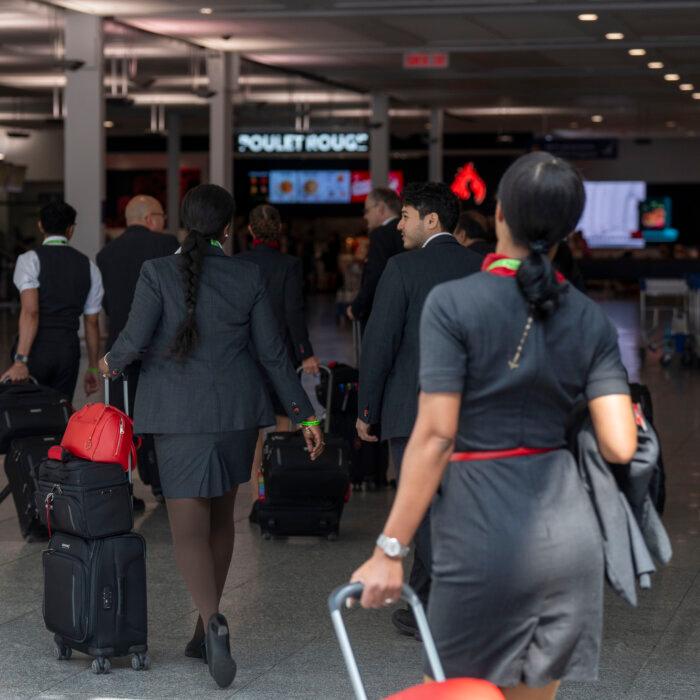
Air Canada said its flights will remain grounded pending the outcome of the binding arbitration overseen by the Canada Industrial Relations Board mandated by the federal government on Aug. 16.
Hours after more than 10,000 Air Canada flight attendants went on strike just after midnight on Aug. 16, Jobs Minister Patty Hajdu ordered binding arbitration to resolve the dispute between the airline and the union.
“Customers whose flights are cancelled are being notified of the cancellations and offered options that include a full refund, a future travel credit or rebooking on another airline,” the airline said.
Earlier on Aug. 16, Minister Hajdu said arbitration was the “most stable way” forward.
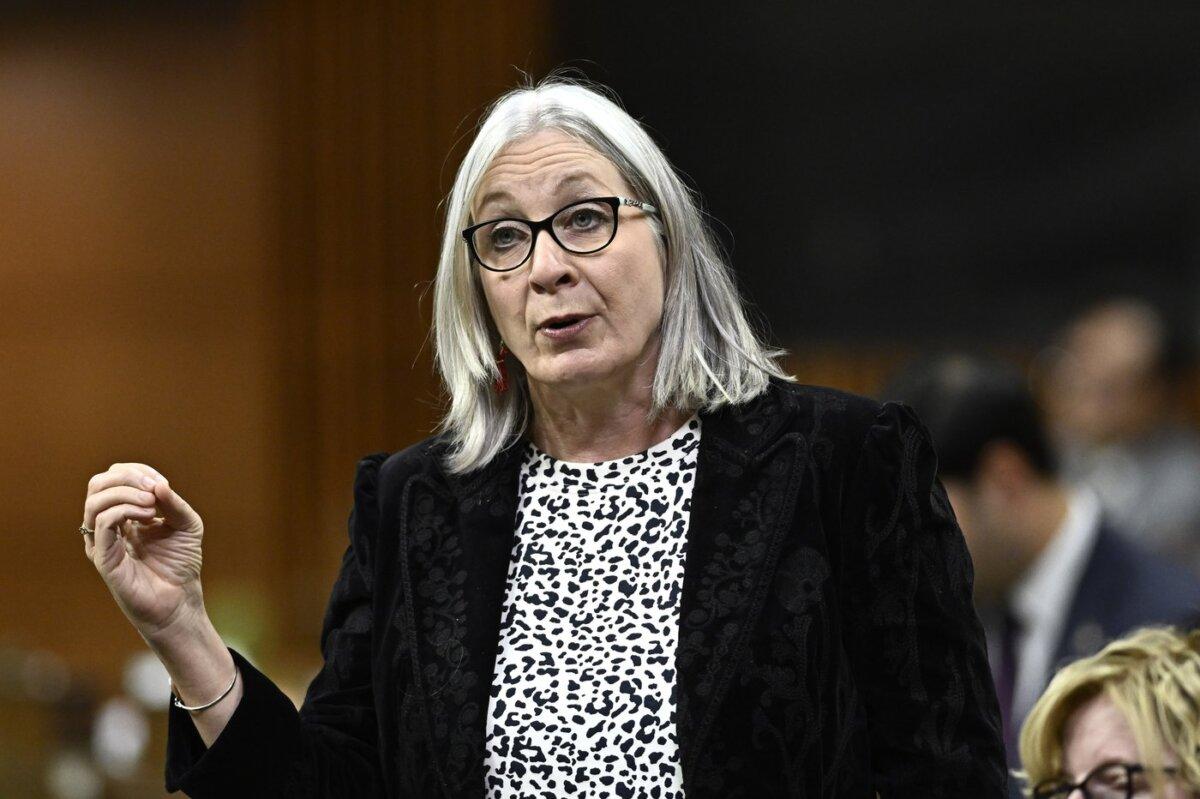
“I have exercised my authorities under Section 107 of the Canadian Labour Code to direct the Canada Industrial Relations Board to order the parties to resume and continue their operations and duties in order to secure industrial peace and protect the interests of Canada, Canadians, and the economy,” she said.
The minister also asked for the terms of the existing collective agreement to be extended until a new one is determined by the arbitrator.
Hajdu said Air Canada indicated it could take five to 10 days for services to return to normal.
The Canadian Union of Public Employees (CUPE), which represents the flight attendants, accused the minister of caving to the demands of Air Canada.
Strike
The flight attendants’ strike began shortly after midnight on Aug. 16. Air Canada said the action is impacting about 130,000 travellers daily. Air Canada flights operated by third-party airlines Jazz and PAL remained unaffected.CUPE issued a 72-hour strike notice on Aug. 13 following stalled talks over wages. The airline, which has proposed its own wage and benefits package, responded with a 72-hour lockout notice and began “winding down” its main operations, which include about 700 daily flights.
The union said picket lines would be held at airports in Montreal, Mississauga, Richmond, and Calgary, as well as possibly at airports in Halifax, Ottawa, and Winnipeg.
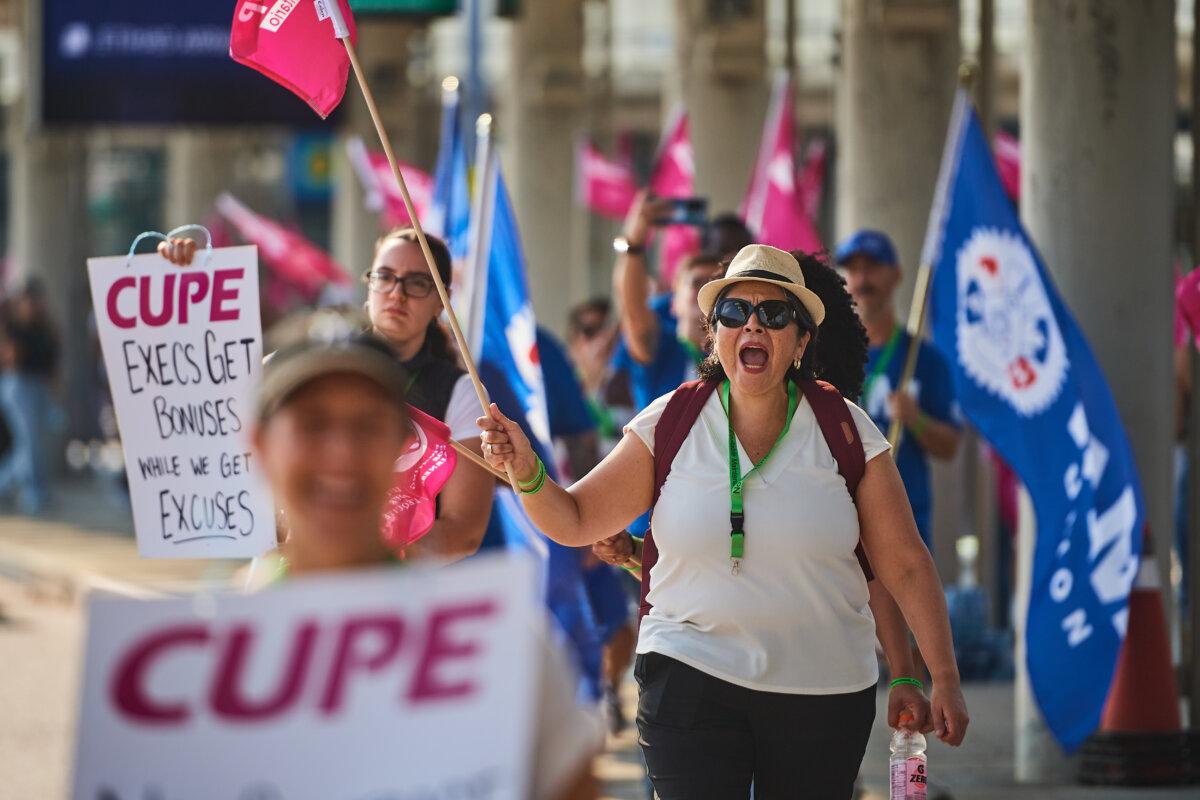
The disagreement is over wages and ground pay, which is money paid to flight attendants while the plane is grounded.
Air Canada said it offered what it calls a 38 percent increase in total compensation over four years, including wages, pension, health benefits, and vacation pay.
“It will make Air Canada flight attendants the best compensated in Canada,” the company said, adding its cabin crew already earn up to $17 more per hour than their counterparts at Air Canada’s largest domestic competitor.
But the union said that inflation has outpaced wages over the past decade, saying the offer would “still leave flight attendants living below poverty levels for many years to come.”
Wesley Lesosky, president of CUPE’s Air Canada component, said flight attendants have seen a 9 percent cut to real wages over the past decade, and argued the company’s proposal amounts to only a 17.2 percent wage increase over four years.
Air Canada had earlier asked Ottawa to order binding arbitration, but CUPE said it wanted to continue negotiations between the two parties for a deal.
Binding arbitration is where an independent mediator hears both sides’ positions and issues a legally binding decision.
The union said that Air Canada was not bargaining in good faith and was instead asking the government to intervene.
‘So Far Apart’
Hajdu said during the Aug. 16 press conference that the “best deals are arrived at the table,” but that both parties were “so far apart on a number of issues” that they were going to need “some additional help” to reach an agreement.The minister said the parties had been attempting negotiations overnight but talks broke down.
“The parties committed to staying at the table throughout the night, which they did. There was an offer tabled by the employer, and the talks broke down,” she said.
“It is clear that the parties are not any closer to resolving some of the key issues that remain, and they will need help with an arbitrator.”
The Conservatives criticized the Liberal government for forcing flight attendants back to work.
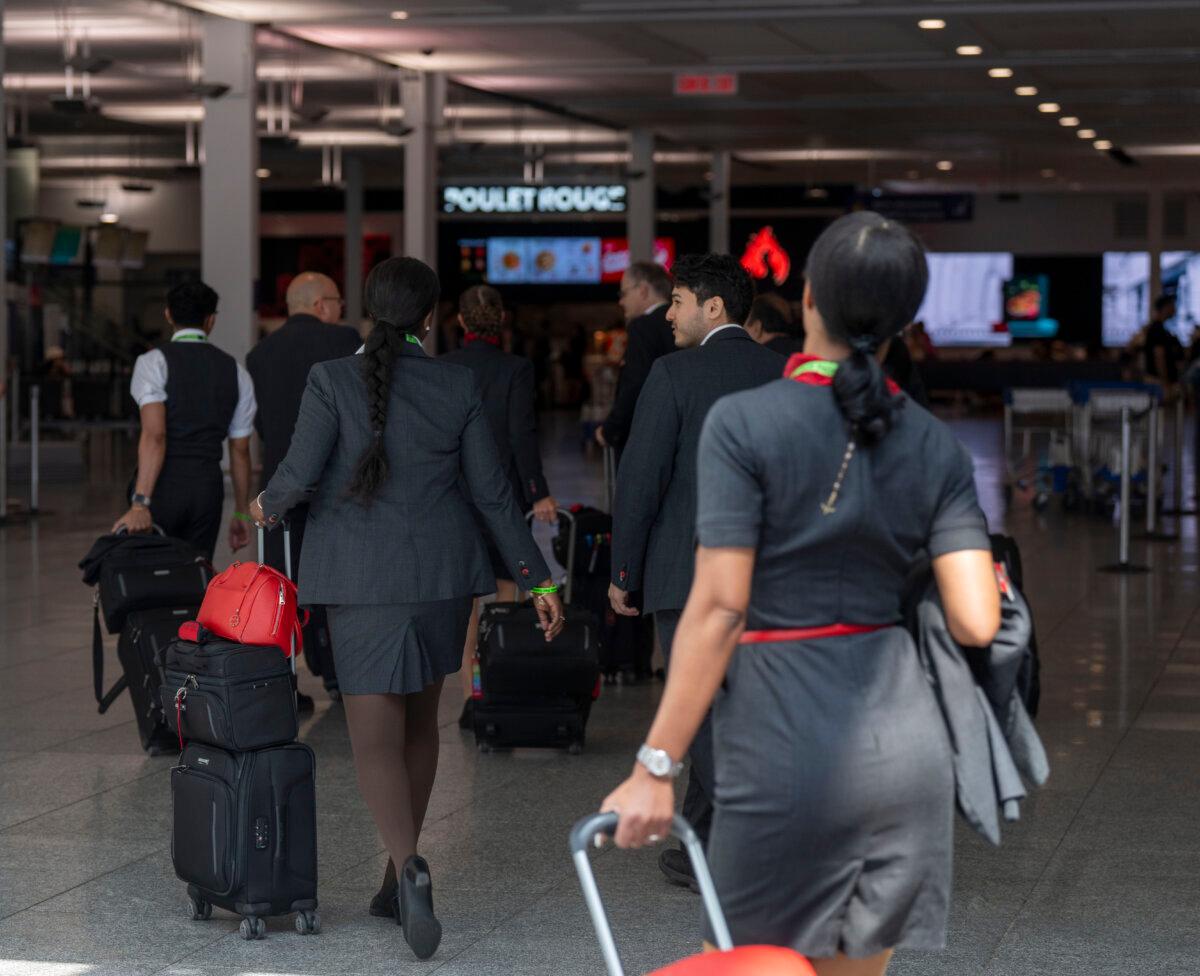
“No worker – federally-regulated or otherwise – should be forced, especially by the government, to work without being paid. Yet, that is exactly what flight attendants are being ordered to do,” Conservative MP and shadow minister for labour Kyle Seeback said in a statement.
“Instead of continuing to attack flight attendants by forcing them back to work, [Prime Minister Mark] Carney should work with Parliament to pass the Conservatives’ Flight Attendants Fairness Act, ensuring workers are paid for the work they do before, during and after a flight.”
NDP Interim Leader Don Davies also criticized the minister’s decision.
“They should recall Parliament and democratically debate back to work legislation if they feel it’s justified.”