More than 20 public schools in the ACT have been shut—some entirely, others partially—after authorities confirmed that coloured sand used in classrooms may contain asbestos, triggering an immediate safety response and urgent communication to families.
The closures came just days after Australia’s consumer watchdog recalled several brands of children’s craft sand found to contain tremolite asbestos.
The advice followed a national alert from the Australian Competition and Consumer Commission (ACCC), which confirmed that Kadink Decorative Sand used in sensory play and arts activities had tested positive for chrysotile asbestos.
“This product is used at some schools for sensory play, and arts and crafts,” the ACT notice said. “While WorkSafe ACT has identified the risk of exposure to traces of chrysotile is low, the safety of our schools is our highest priority.”
Authorities said the closures were made under established Education Directorate protocols and on the advice of WorkSafe ACT.

- Kadink Sand (1.3 kg)
- Educational Colours - Rainbow Sand (1.3 kg)
- Creatistics - Coloured Sand (1 kg)
Health Risks Outlined
Inhaling asbestos fibres can damage lung tissue and increase the likelihood of asbestosis, lung cancer and mesothelioma, with symptoms often emerging decades after exposure, according to the Asbestos and Silica Safety and Eradication Agency.ACCC Deputy Chair Catriona Lowe urged households, schools and early learning centres to act immediately.
“Anyone who has these products should stop using them straight away,” Lowe said. “Place the sand into a heavy-duty plastic bag, double-tape it securely, and keep it well out of children’s reach. As a precaution, wear disposable gloves and a mask when handling it.”
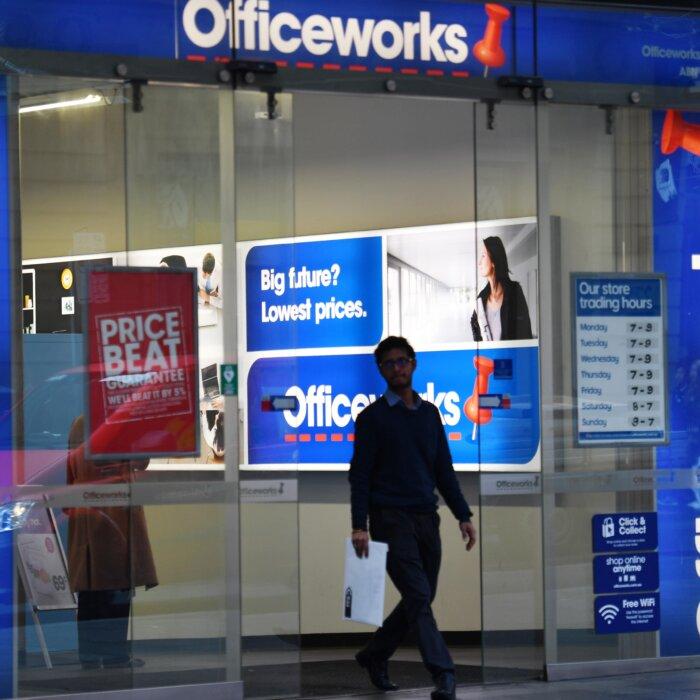
She confirmed that Officeworks had removed the products from sale and begun contacting customers directly.
“We expect all suppliers to support consumers, respond to queries and assist with refunds,” Lowe said.
NZ Takes Similar Steps
The issue has now extended across the Tasman, where New Zealand authorities have issued their own warning.The Ministry of Business, Innovation and Employment (MBIE) said testing is underway to determine whether products available in New Zealand are affected.