For generations, the Australian dream followed a familiar script: leave home, find work, buy a house, and raise a family.
But as housing costs surge that pathway is now more the exception rather than the rule.
During an inquiry into housing inequity, Emeritus Professor Hal Pawson pitched the radical idea of formalising a “right to housing” as young Australians rely more on the “bank of mum and dad” to buy a home.
The former associate director of UNSW’s City Futures Research Centre warns some Australians may be indefinitely stuck renting, and that 60 percent of private renters are now young adults.
“Comparing the way that we see housing today with the way that we looked at housing 20, 30, 40 years ago, we don’t see it ... anywhere near as dominantly as shelter as a ’service,' as a benefit to people who occupy it,” Pawson told the Select Committee on Intergenerational Housing Inequity Senate on June 15.
“We see it increasingly as a financial asset, as a means of building wealth, and to some extent—at the expense of the function of a decent place to live—and I think that’s related to this matter of elevating the right to housing as something that we should be formalising in law.”

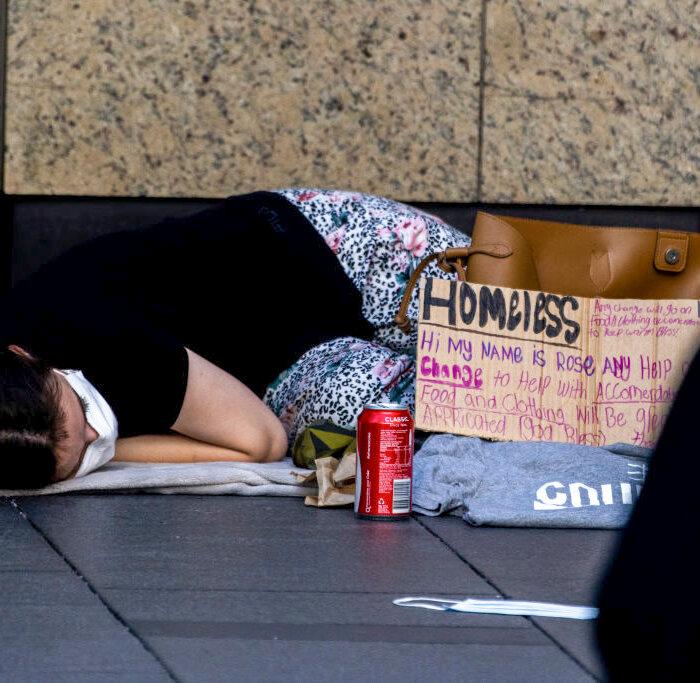
Pawson said renting was also unstable because of the numerous grounds that tenants could be evicted, including home sales or renovation work.
“So, from the resident’s point of view, that isn’t security,” he said.
The professor suggested one possible way of ensuring more solid rental reliability for long-term or indefinite renters would be to mandate that a landlord may only sell a rental home to another landlord.
Construction Sector Stalling as Material Costs Go Up
The academic pointed to supply issues too, citing slumps in apartment construction, with thousands of approved developments not proceeding since 2010 due to rising build costs.He pointed to a report showing about 75,000 approved apartment units in greater Sydney remained on standby in late 2024.
According to Paulson, commercial developers cannot secure finance as they struggle to make the required number of off-the-plan sales for projects to get the green light.
Other Factors
While many of the issues confronting Australia’s housing system were discussed during the Senate inquiry, other factors have featured prominently in the broader debate.In an article published in May, Australian Institute of Progress Executive Director Graham Young argued the construction sector was already operating close to capacity, with housing projects competing for labour and materials with major government infrastructure projects.