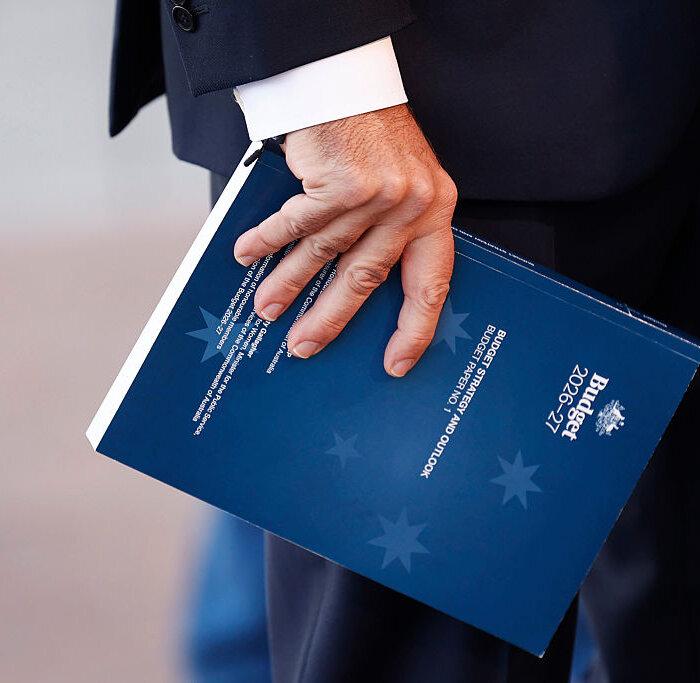
The 2026 federal budget overhauls wealth creation channels for Australians, offers a small tax break to workers, and keeps spending high.
Key changes include higher taxes on gains from the sale of assets, putting a halt to negative gearing except for new builds, and a $250 tax offset for workers.
A Budget Amid the ‘5th Economic Shock’ in 20 Years
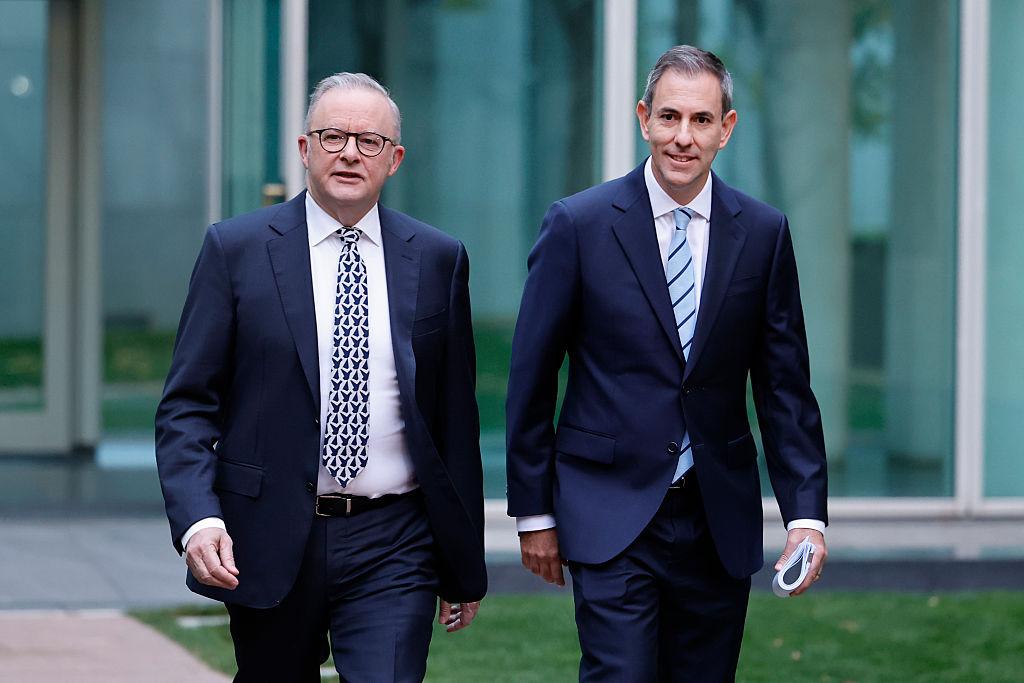
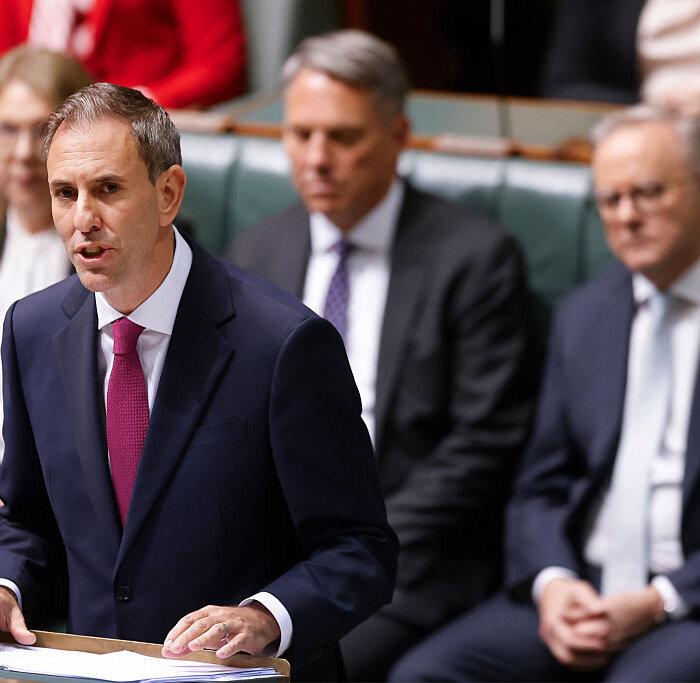
Treasurer Jim Chalmers devoted the opening of his budget speech to paint a picture of a dire international situation.“We’re dealing with a fifth economic shock in less than 20 years,” he told Parliament.
“Oil production fell by 8 million barrels a day in the first month of the war–almost eight times more than any of the oil shocks since the 1970s.”
He said Treasury expects Australia’s economic growth to slow from 3.5 percent to 3 percent this year, and for inflation to reach 5 percent in the middle of this year.
Property Investment, Wealth Generation Rules Overhauled
The biggest change is to capital gains tax (CGT). CGT is the tax calculated on the actual profit of an asset once its sold and includes investment properties, shares, crypto, and collectables worth over $10,000.Currently, investors who hold an asset for more than a year only pay tax on 50 percent of the profit. This 50 percent discount will be removed.
Instead, a new cost scale based on inflation will be introduced and the tax will be applied to the “real” gain after inflation, but without the large discount.
A minimum 30 percent tax rate will also apply.
Another major change is to negative gearing. This allows investors to claim losses on the cost of a property—when the rent does not cover the mortgage costs—and reduce their taxable income.
Under the new rules, negative gearing will only apply to newly built homes. Investors buying existing properties will no longer get this tax benefit, however, existing arrangements will continue.
$250 Worker Tax Offset Introduced
A new $250 tax offset will be introduced for workers funded by the changes to property and CGT.The payment will start from the second half of 2027 and will be delivered automatically through tax returns. Around 13.3 million workers are expected to receive it.
Deficit Remains In Place, Gross Debt Nears $1 Trillion
The budget remains in deficit, meaning the government continues to spend more than it collects in revenue.The deficit for 2025–26 is projected at $31.5 billion. This is lower than earlier forecasts but still significant.
There is no projected return to surplus in the forward estimates.
New Funds for Infrastructure
Total housing investment is set at $47 billion.First-home buyers will be allowed to enter the market with deposits as low as 5 percent.
The budget also allocates $2 billion for infrastructure such as roads, electricity and water systems. This is intended to support the construction of around 65,000 homes over the next decade.
Health And Care Spending Increases
The budget allocates $25 billion to public hospitals.Another $5.9 billion will expand the Pharmaceutical Benefits Scheme (PBS), which subsidises medicines so patients pay less.
Funding is also locked in for 137 Medicare Urgent Care Clinics. These clinics treat non-life-threatening conditions and are designed to reduce pressure on hospital emergency departments. They will receive $1.8 billion over four years and ongoing funding after that.
In aged care, $3 billion is set aside for more beds and care packages.
Productivity And Business Measures
Measures include cutting business compliance costs by $10.2 billion a year.Nearly 600 tariffs—taxes on imports—will be removed to reduce costs and support trade.
Tax changes aim to encourage investment, including support for start-ups and companies to carry back losses, meaning they can offset current losses against past profits to reduce tax.
Counter- Terrorism, Defence Funded
The budget includes $600 million to set up a new Counter-Terrorism Online Centre, alongside funding for law enforcement to tackle hate speech, violent extremism and terrorism.Defence spending will also rise by $53 billion over the next decade, with an additional $800 million for veterans.
On women’s safety, more than $4.4 billion has been invested since 2022, with new funding for frontline services and safer child support systems. The budget also backs $21 billion in wage rises in sectors such as aged care and childcare.