The re-established Queensland Productivity Commission has released a damning report into the state’s construction sector, revealing bureaucratic inefficiencies have cost the state enough homes to populate the city of Toowoomba.
The Construction Inquiry Interim Report revealed about 77,000 new houses were never completed in what the Real Estate Institute of Queensland (REIQ) says is the result of “planning and regulatory burdens.”
The Impact of BPIC
The report reveals a number of stunning revelations including that the former Labor government’s Best Practice Industry Conditions (BPIC)—mainly for union workers—was adding to the cost of major projects, holding back the building of thousands of potential homes.BPIC were legislated in 2020, and included provisions such as workers being allowed to cease operations if temperatures reached 35 degrees Celsius or 29 degrees with high humidity, double pay for working in rainy conditions, and allowances for picnic days, long commutes, and personal devices.
The legislation was suspended by the Liberal National Party (LNP) government in November.
Research shows if BPIC remained in place until 2029-30, they would cost the community up to $20.6 billion, increase project costs 25 percent, cause 26,500 fewer homes to be built, and hike rents by 8.3 percent.
“As one of the stakeholders engaged in the consultation process, we made a series of observations and recommendations, and we’re pleased to see a number of them acknowledged in this report—including the impacts of BPIC, support for greater labour mobility including from skilled immigration, and a call to repeal foreign investor surcharges on transfer duty and land tax,” Mercorella said.
“This initial modelling confirms the concerns raised by the industry about poor productivity within the construction sector,” he said.
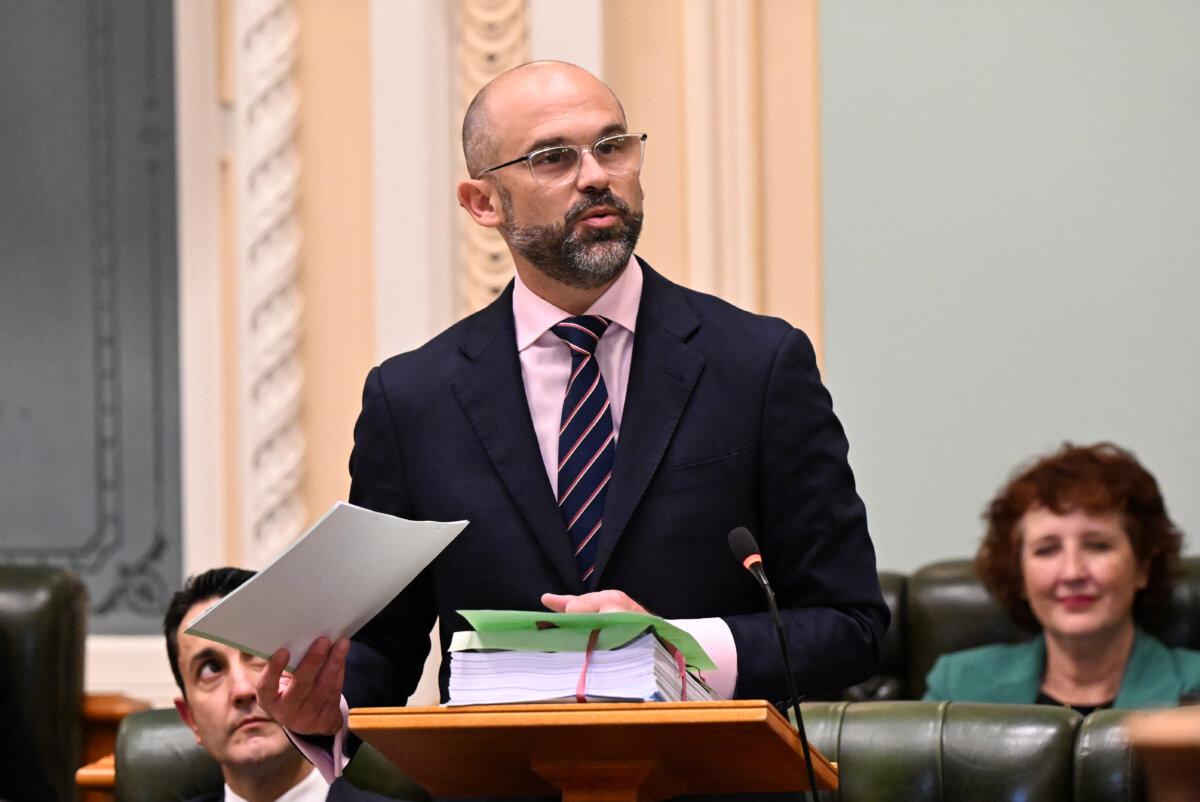
“I encourage all stakeholders to provide feedback to the inquiry, and we will wait for the final report to be released to the government before we act on any recommendations.”
According to the Commission, productivity in the Queensland construction industry declined 9 percent since 2018—a downturn that equates to a loss of 77,000 potential dwellings.
Queensland Productivity Commissioner Angela Moody said the interim report found that the state’s construction industry faced multiple challenges including constrained supply chains, availability of capital, legislative and policy changes, investment priorities, timeframes and changing demographics.
“If Queensland is to meet its housing and infrastructure needs, productivity across the industry will need to improve,” she said.
Contributing to Crisis
Mercorella said that in the midst of a housing crisis, unrealised homes were a lost lifeline for around 193,000 Queenslanders.“This report confirms what those in the industry have long known—Queensland’s construction productivity problem is systemic, and it’s contributing to our housing crisis,” she said.
“It’s senseless that 77,000 homes have been lost due to inefficiencies and inaction.
Where to From Here
While the full report is yet to be unveiled, several recommendations have already been put forward.One of those is to permanently shut down BPIC, and to streamline regulation.
The report also notes opportunities to reduce red tape around land use, financial regulations, health and safety rules, and removing barriers to newer forms of construction.
Better management of the labour force has also been suggested.