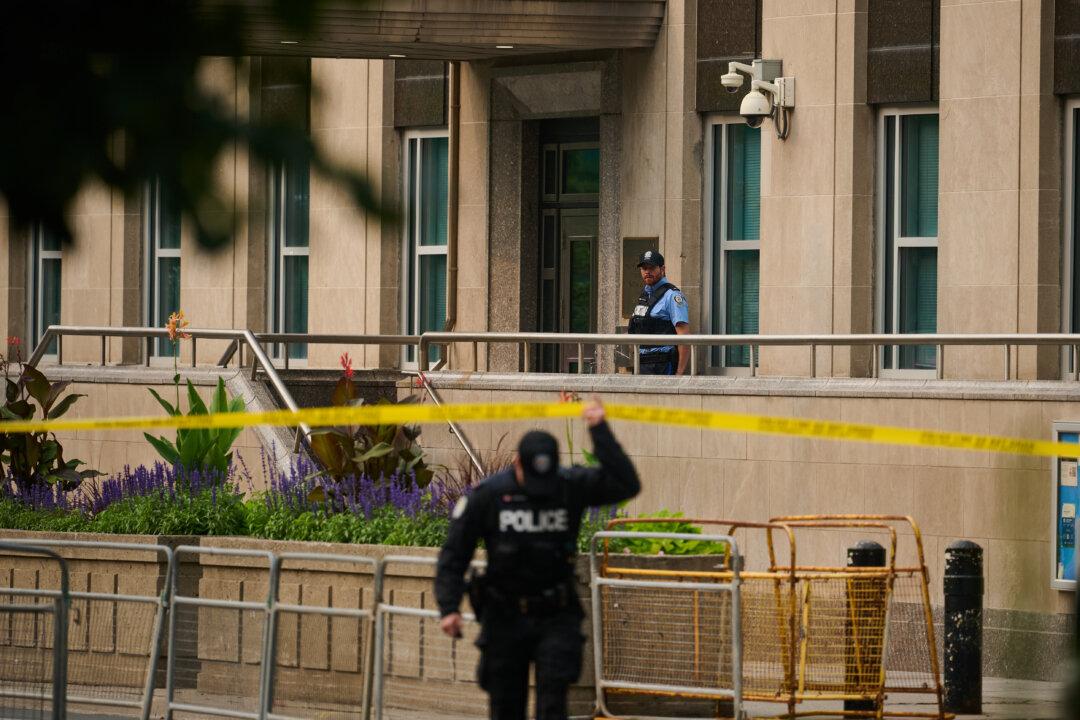
About 74,000 people whose refugee claims were rejected are still eligible for health care coverage in Canada, and a third of them are in the process of being removed from the country, according to a Parliamentary Budget Office (PBO) report.
“Since 2019-20, both claims and total spending have increased, with spending, particularly for basic and supplementary benefits, outpacing growth in claims,” the report said.
The IFHP was created in 1957 to provide limited and temporary health-care coverage to foreign nationals deemed vulnerable and disadvantaged. The program’s costs have surged in recent years, leading the Conservative Party to call for reforms and cuts to asylum seeker benefits.
Canada spent $94 million on IFHP supplementary benefits like medication, vision care, dental care, and counselling across all groups in 2019-2020. Spending rose to $285 million by 2023-24 and $457 million in 2024-25.
The report said 74,000 failed refugee claimants were in the Canada Border Services Agency’s (CBSA) list for removal, including 22,682 removals that were “temporarily suspended due to factors such as litigation stays.”
A total of 23,429 failed claimants were in the process of being removed from Canada by border officials. Another 27,797 were classified as “wanted” because they were subject to removal orders but failed to appear for proceedings, prompting the CBSA to launch searches for them.
In the previous fiscal year, IFHP spending was 80 percent higher for asylum claimants than for refugees resettled in Canada. Each asylum seeker claimed around $724 per year, while resettled refugees claimed an average of $97.
The report said asylum beneficiaries typically remain eligible for IFHP for longer while their claims and appeals are processed. Resettled refugees receive medical services prior to their departure from their country of origin, “reducing some healthcare needs upon arrival in Canada.”
The Tory MPs said in the statement that the federal government needed to “explain to Canadians” why asylum seekers who have had their claims rejected and in some cases are evading removal “continue to receive deluxe, taxpayer-funded health benefits.”
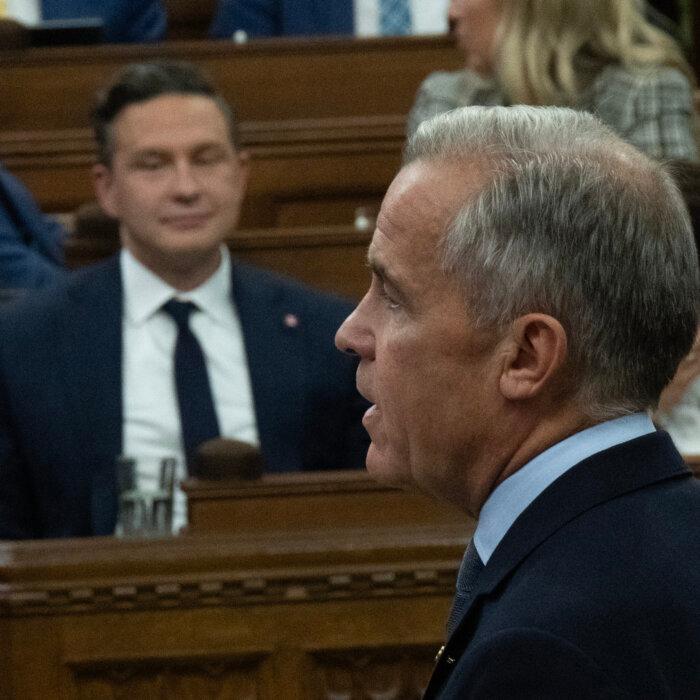
Immigration Minister Lena Diab commented on the PBO report in Parliament on May 26 in response to questioning from Rempel Garner. Diab said the government had reduced the number of temporary workers and asylum seekers in Canada, saving taxpayers money. She also said the PBO report showed that there would be “substantial savings” to the IFHP program in the next three years.
The PBO report said with IFHP beneficiaries being required to contribute to a fixed-fee per prescription and a percentage of the cost of supplemental services starting May 1, savings could reach $217 million annually by 2029-30.