World leaders gathered in Nice, France, this week for the 2025 U.N. Ocean Conference, aiming to advance and accelerate efforts to preserve marine environments.
Host and French President Emmanuel Macron told countries gathered on the French Riviera that binding international agreements could help restore peace to the world’s seas.
High Seas Treaty Inches Closer to Reality
The event, the third of its kind, took place from June 9 to June 13 and is at the forefront of the United Nations’ effort to transform many coastlines and seas into large protected zones.Once the 60 countries required to ratify the treaty have committed, it will enter into force 120 days later, likely in early 2026, Macron said.
First discussed in 2015 and signed by dozens of countries in 2023, the treaty provides a legal framework for establishing marine protected areas (MPAs) where human activities are restricted to protect biodiversity in international waters.
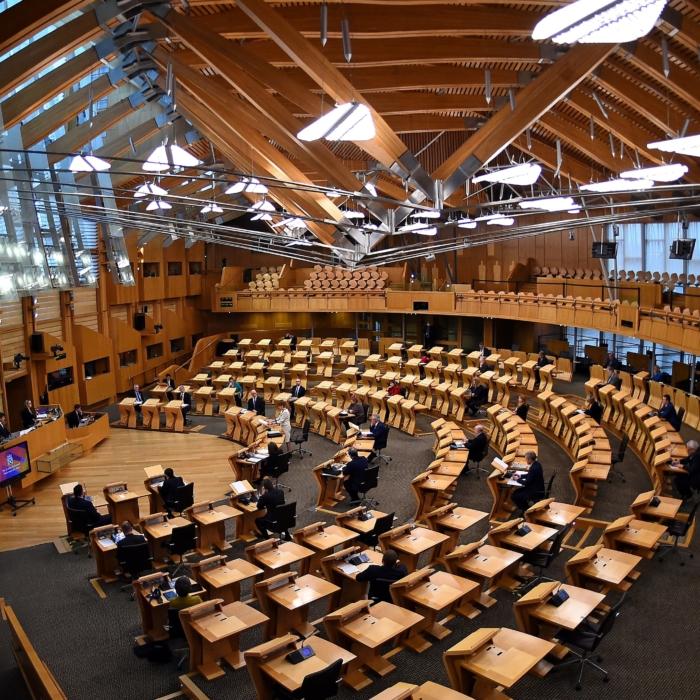
The United States and China have not yet ratified the agreement.
New Marine Protected Areas Announced
The conference also served as a platform for countries to expand MPAs.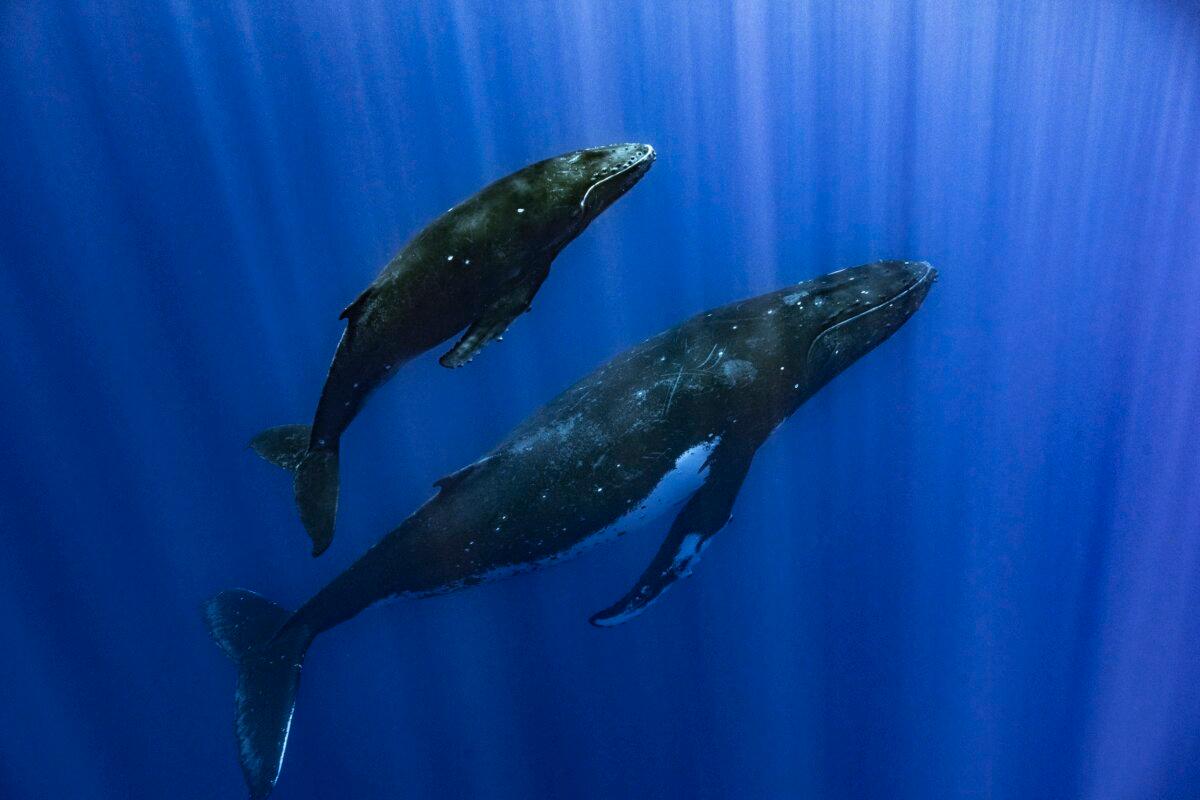
Portugal also said it would raise the protected share of its seas to at least 27 percent, up from 19 percent, with the creation of three new MPAs, including the remote Gorringe Ridge.
Announcing the MPAs, Portugal Environment Minister Maria da Graca Carvalho said: “In terms of marine protection, we are the most advanced country in the world with our characteristics combining continental and insular territory. Certainly the leader in Europe.”
Sustainable Development Goals
The 2025 U.N. Ocean Conference emphasized the implementation of Sustainable Development Goals (SDGs), specifically SDG 14, which will “conserve and sustainably use the oceans, seas and marine resources for sustainable development.”The 17 SDGs focus on goals such as ending hunger and gender equality to enable people to “achieve their full human potential,” the agenda states.
The U.N. also said that the conference was key to advancing progress on the Kunming-Montreal Global Biodiversity Framework, which has a target of protecting 30 percent of the ocean by 2030.
EU Chief Warns the ‘Ocean Will Turn Against Us’
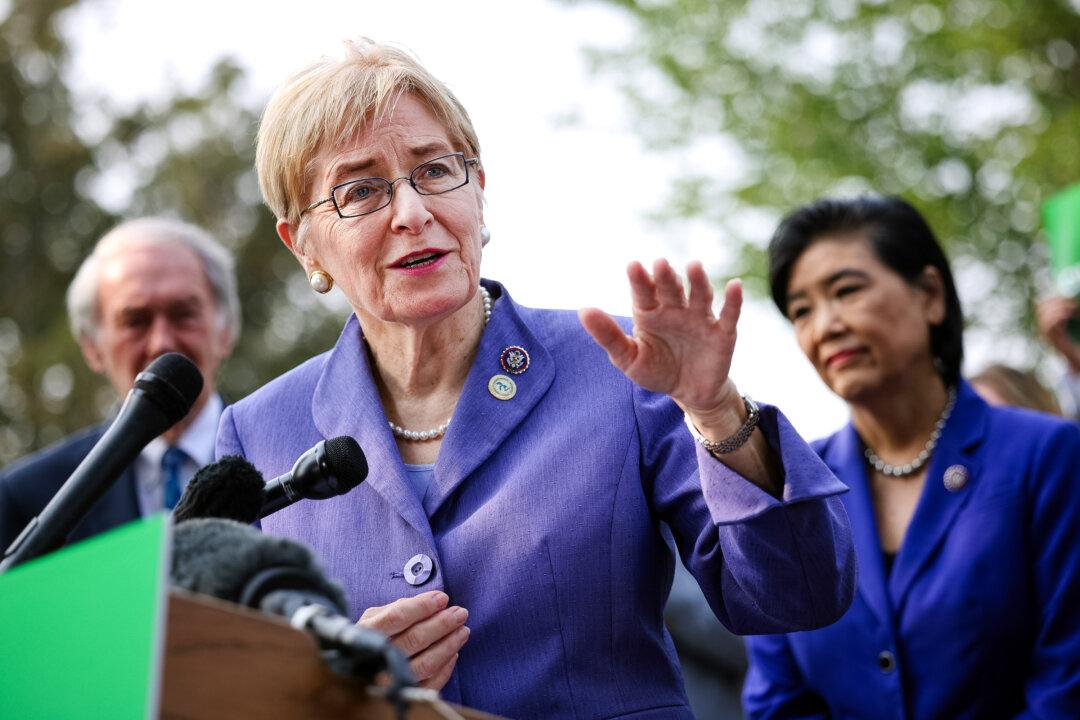
During the conference, leaders led with speeches warning of grave consequences if no action is taken.EU Commission President Ursula von der Leyen said: “The ocean is our ally, and it is our greatest friend when it comes to preserving the health of our planet and of Mother Nature that we live in. If we neglect the ocean, if we treat it without respect, it will turn against us. And the vast ocean forces that helped our civilization to grow will start to threaten us.”
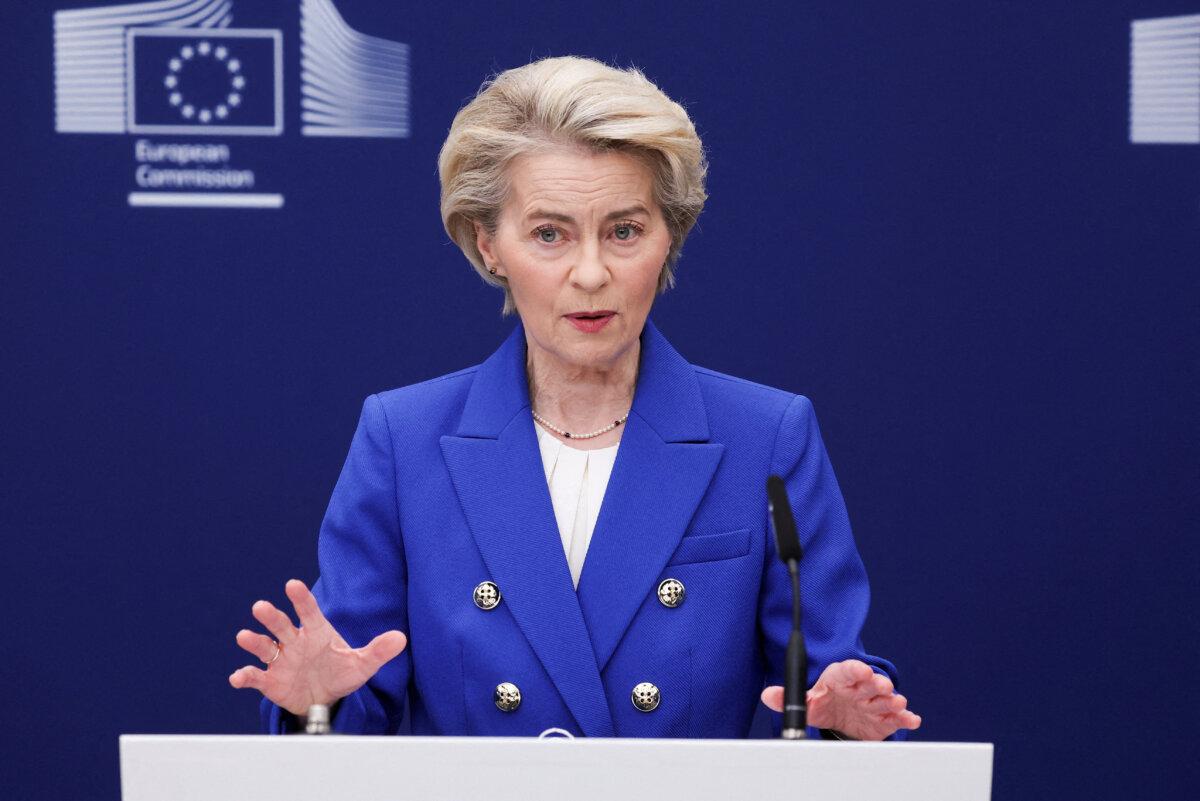
“The fight against climate change must extend to the seas,” he said. “For decades, the ocean has been absorbing carbon emissions and taking the heat of a warming planet. That comes at great cost.”
Deep-Sea Mining, China
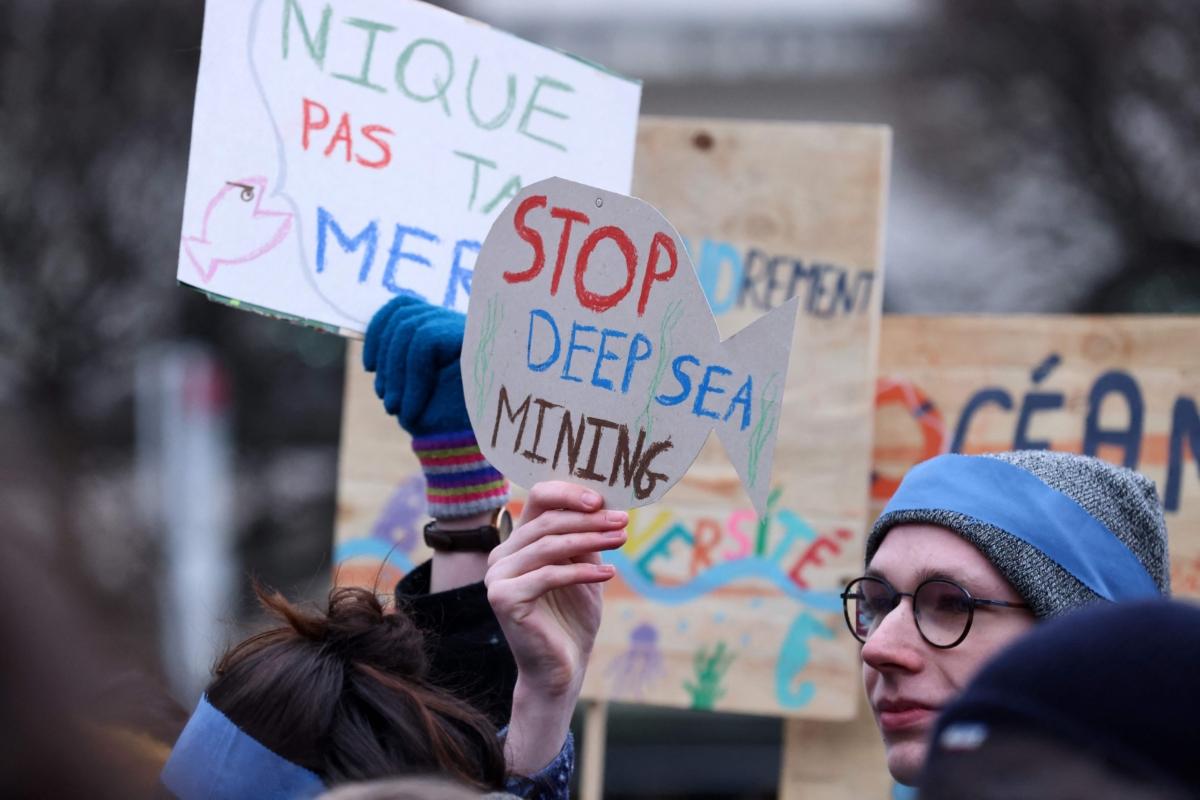
Macron also called for an international moratorium on deep-sea mining.Rare earth mineral mining occurs mostly on land, but attention is now turning to the ocean floor.
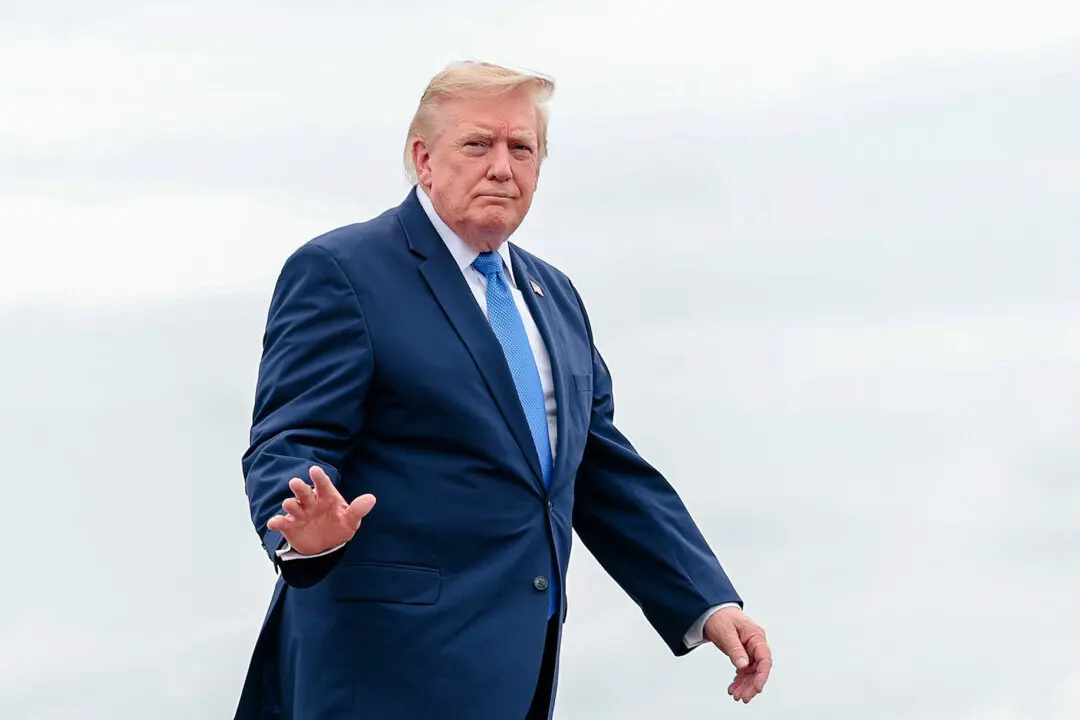
“It is the policy of the United States to advance United States leadership in seabed mineral development by strengthening partnerships with allies and industry to counter China’s growing influence over seabed mineral resources,” Trump stated.
EU Announces Ocean Pact
The European Commission used the conference to present the European Ocean Pact, a policy that consolidates all EU ocean initiatives.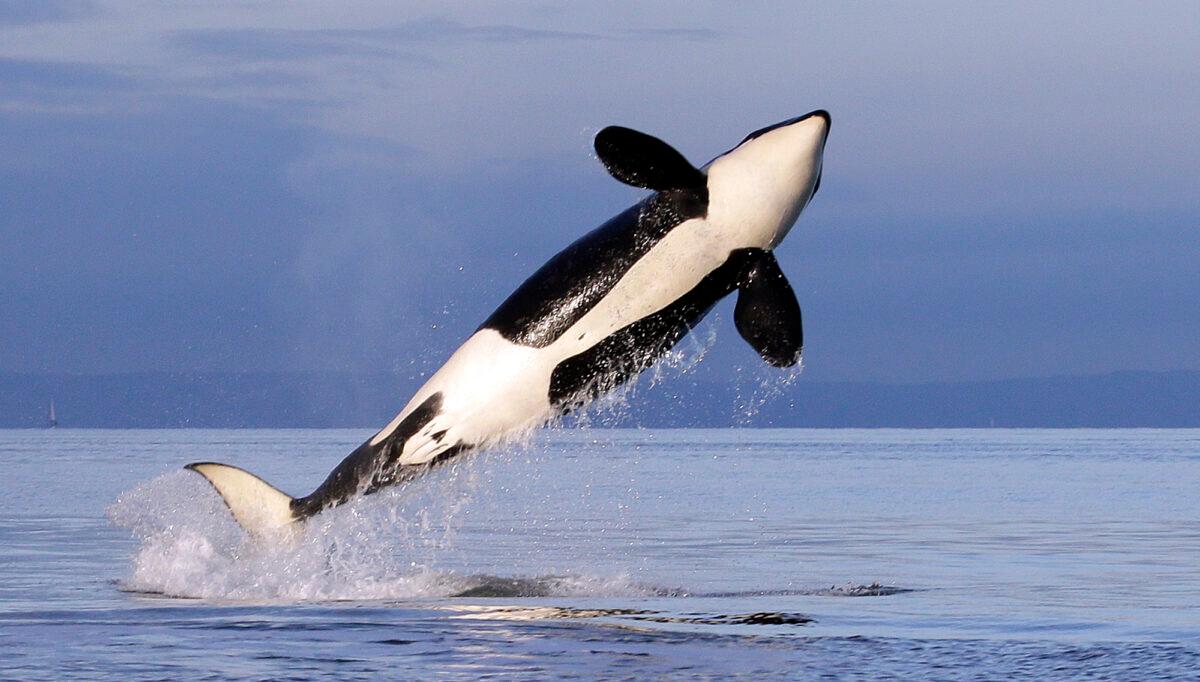
Not Good Enough, Say Environmentalists
Six major environmental NGOs, BirdLife Europe, ClientEarth, Oceana, Seas At Risk, Surfrider Foundation Europe, and the WWF, criticized the EU’s Ocean Pact for lacking teeth.In a joint statement, the NGOs said, “While the Pact acknowledges the importance of ocean protection, it lacks concrete measures to tackle the most harmful activities in European waters, including overfishing, pollution, and destructive activities, in our protected areas.”
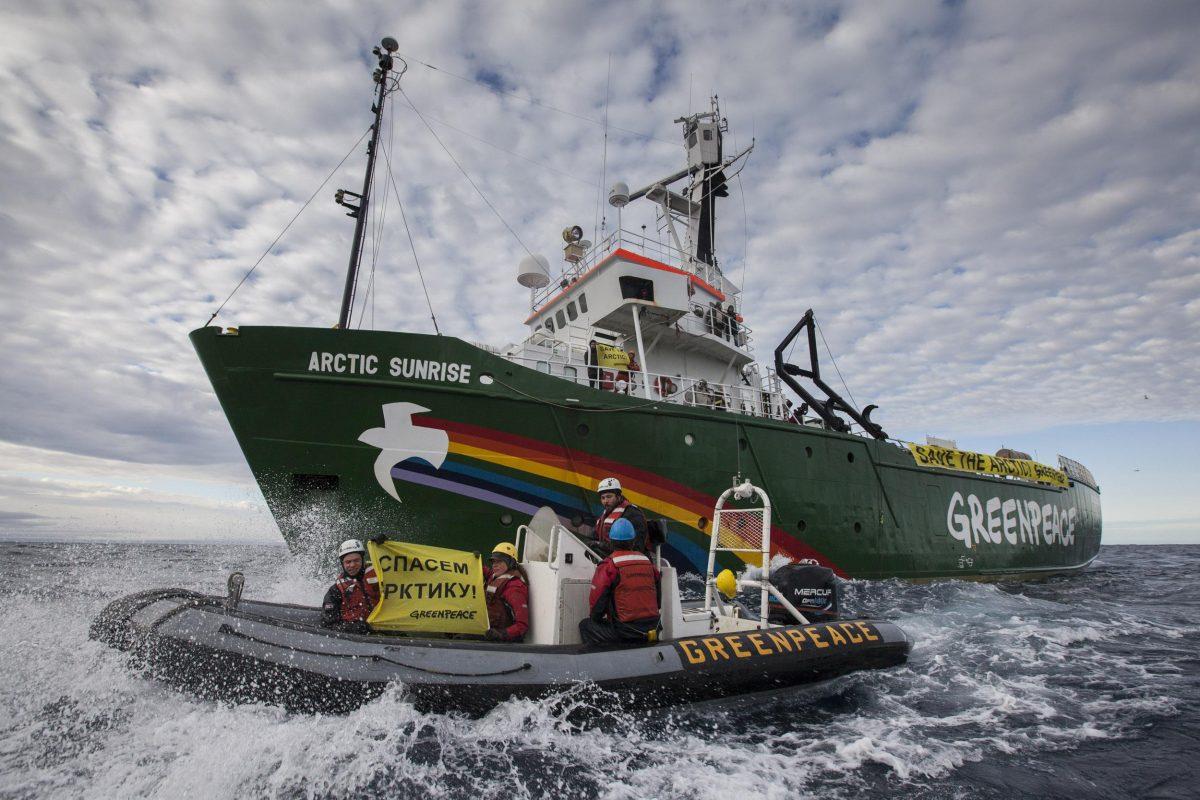
Greenpeace said that the overall progress made at the conference felt hollow.