Three in five B.C. residents say a recent court decision to affirm aboriginal land title rights will harm the relationship between indigenous groups and the rest of the province, a new survey suggests.
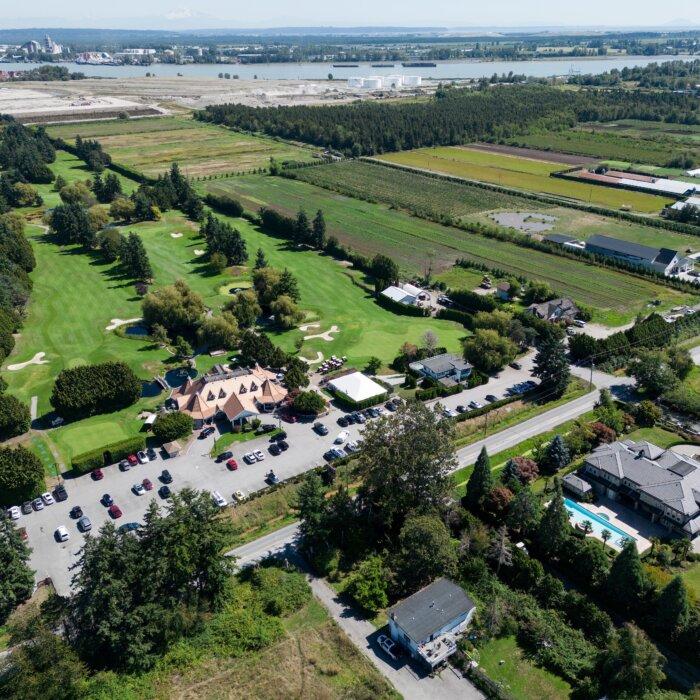
The B.C. Supreme Court ruled in August that previous land grants issued by the provincial and federal governments were invalid and violated the land title held by Cowichan Tribes based on historical ownership. The court said the Cowichan Nation had rightful title to approximately 750 acres of land located in Richmond.
The ruling was suspended for 18 months to allow for the transition of the affected land. Both the provincial and federal governments have appealed the court’s decision. The Cowichan First Nation has not taken steps to invalidate titles for privately owned properties since the court’s Aug. 7 ruling.
Another 67 percent said the decision was “serious” and could affect property rights. Approximately 20 percent said the Cowichan Nation was not necessarily looking to displace private property owners.
The survey also asked residents about whether they support the province’s appeal of the court decision. Sixty-one percent said it was the “right move,” 12 percent said it was the “wrong move,” and 27 percent were unsure.
Forty-four percent of respondents said Premier David Eby’s government is “too focused” on reconciliation, while 27 percent said the government was giving the issue the right amount of attention, and 13 percent said it was not getting enough attention.
Fifty-two percent of those surveyed said they were following the court case “closely” or “very closely.”
Residents Meeting
The poll comes after a public meeting on Oct. 28 between Richmond residents and city officials about the implications of the title ruling.B.C. Attorney General Niki Sharma previously said the province could take the issue up to the Supreme Court of Canada. She said the province’s position is that “aboriginal and fee-simple title cannot co-exist… in their full form, at the same time.”
Fee-simple title, or ownership, is the current legal framework that allows for complete ownership of a piece of land.
The court case that led up to the Cowichan decision was originally filed by the Cowichan Tribes in 2019. The claims in the litigation were opposed by the Musqueam and Tsawwassen First Nations, the federal and provincial governments, the City of Richmond, and the Vancouver Fraser Port Authority. The case included a 513-day trial.