The Business Council of Australia (BCA) has warned that Australia’s next climate milestone will demand unprecedented investment, faster approvals, and urgent policy reform.
A new modelling released by the Council on Sept. 5 said the nation may need up to $530 billion (US$349 billion) in capital to hit a 70 percent cut in emissions by 2035.
BCA Chief Executive Bran Black said the analysis was designed to give policymakers and industry a clear picture of the scale of change required.
Three Pathways to 2035
The BCA modelled three potential trajectories for emissions cuts. The first scenario continues along the current policy track, resulting in about a 50 percent reduction by 2035.The second scenario lifts ambition to around 60 percent, while the third pushes harder for a cut of more than 70 percent.
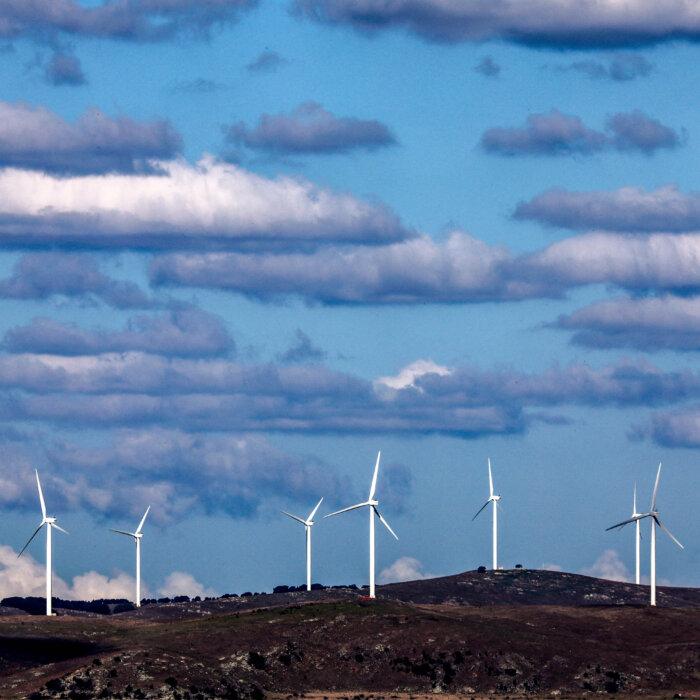
Each step up comes with a steeper price tag. By 2035, the BCA estimates the economy will require between $210 billion and $530 billion in new capital investment, depending on the level of ambition chosen.
Most of the reductions are expected to come from electricity, energy, resources and industry, with transport, agriculture, and the built environment also playing a part.
Land carbon sinks, assumed to stay at today’s historically high levels, could be expanded further through new technologies.
The workforce impact is also significant. Meeting a 60 percent reduction target would require an additional 59,000 skilled workers by 2030, particularly in electrical trades and engineering.
The BCA argued that meeting any of the 2035 targets will hinge on six critical reforms.
It called for faster environmental approvals, particularly long-delayed changes to the Environment Protection and Biodiversity Conservation Act (EPBC), alongside stronger community support for new projects.
Stable and credible policy frameworks will be needed to attract private investment, while a major training push is required to expand the skilled workforce.
Coalition Pushback
The BCA’s modelling quickly fed into political debate. Shadow Environment Minister Angie Bell told ABC Radio National the Coalition was still “methodically working through” its own energy and emissions policy.Asked why the opposition had not committed to a 2035 target, Bell said they would respond once Labor released its own.
She also accused the government of “failing on all measures,” noting that national emissions were “back at the same levels that we were at when we left government.”
Business Calls for Higher Ambition
While the Coalition was cautious, more than 350 companies threw their support behind ambitious targets.An open letter signed by major firms—including Fortescue, Atlassian, Canva, IKEA, and Volvo Group Australia—urged the government to commit to at least a 75 percent reduction by 2035.
Their call followed a Deloitte Access Economics study that found the economy could be $370 billion larger by 2035 if a 75 percent cut was adopted.
Deloitte estimated such ambition could support 69,000 extra jobs a year between 2025 and 2035, attract $20 billion more in annual investment, and deliver $190 billion in additional export revenue by 2050.
Deloitte lead partner Pradeep Philip warned that weaker targets could leave Australia behind.
“Australia is in a race to secure the global capital required to establish green industries. Setting a lower target today comes at the cost of lower business investment than would otherwise be the case,” he said.
Future Group Chief Executive Simon Sheikh echoed that view, pointing to Australia’s abundance of land, critical minerals, and skilled workers.
Emissions Data Underscores Challenge
The push comes as the government’s latest emissions update showed progress butat a slower-than-expected pace.National emissions fell 1.4 percent in the year to March 2025, dropping to 440.2 million tonnes—about 28 percent below 2005 levels.
Climate Change and Energy Minister Chris Bowen said he would release Australia’s 2035 target after receiving formal advice from the Climate Change Authority.
“I must receive the Climate Change Authority advice. It will be released to the public transparently. All that will be crystal clear. And all that will occur during September,” Bowen said.