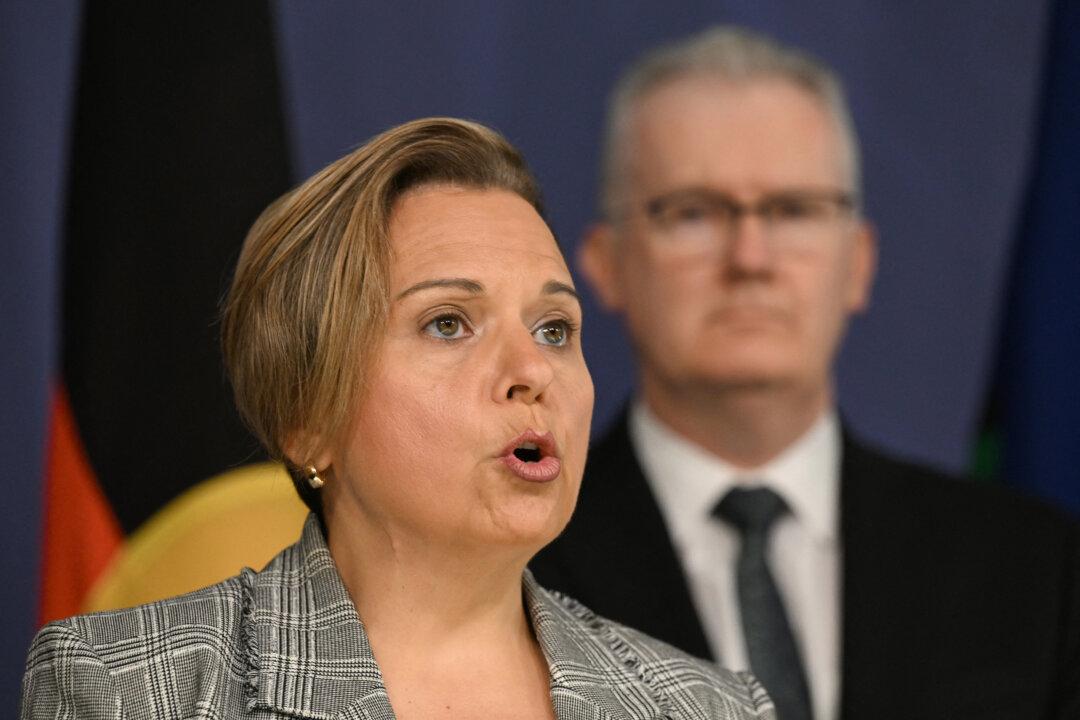
Opposition Leader Sussan Ley has continued her warnings about Australians relying too heavily on taxpayer-funded jobs and welfare.
The opposition leader said just 10 percent of taxpayers were covering two-thirds of all income tax during her first formal economic policy address at the Committee for Economic Development of Australia (CEDA) in Melbourne on Sept. 17.
She argued that growing dependence risks leaving younger generations with crushing debt and a weaker, less prosperous nation.
At the same time, 80 percent of new jobs created in the past two years were linked to public spending, which overall accounts for 30 percent of the workforce.
“We are a compassionate nation, and we will always support those who fall on hard times,” she said.
The Risks of Losing the AAA Credit Rating
Ley tied this rise in reliance to Labor’s spending choices, warning that government outlays have surged to 27 percent of GDP — the highest peacetime level since 1986.“If we keep spending at pandemic emergency levels during the ordinary years, we will inevitably lose our AAA credit rating,” she said.
Interest Costing Australians $50,000 Per Minute
The 2025 federal budget showed Australia’s gross debt climbed to $1.02 trillion in 2025–26, rising to $1.22 trillion by 2028–29. An underlying deficit of $42.1 billion is also projected for 2025–26, edging higher in the pre-election fiscal outlook released in April.Ley said Labor had turned what could have been a $5 billion shortfall into a $42 billion blowout by layering $37 billion in new spending on top of forecasts.
She warned that interest on this debt—already costing $50,000 a minute—was one of the fastest-growing items in the budget.
Labor Defends Its Record
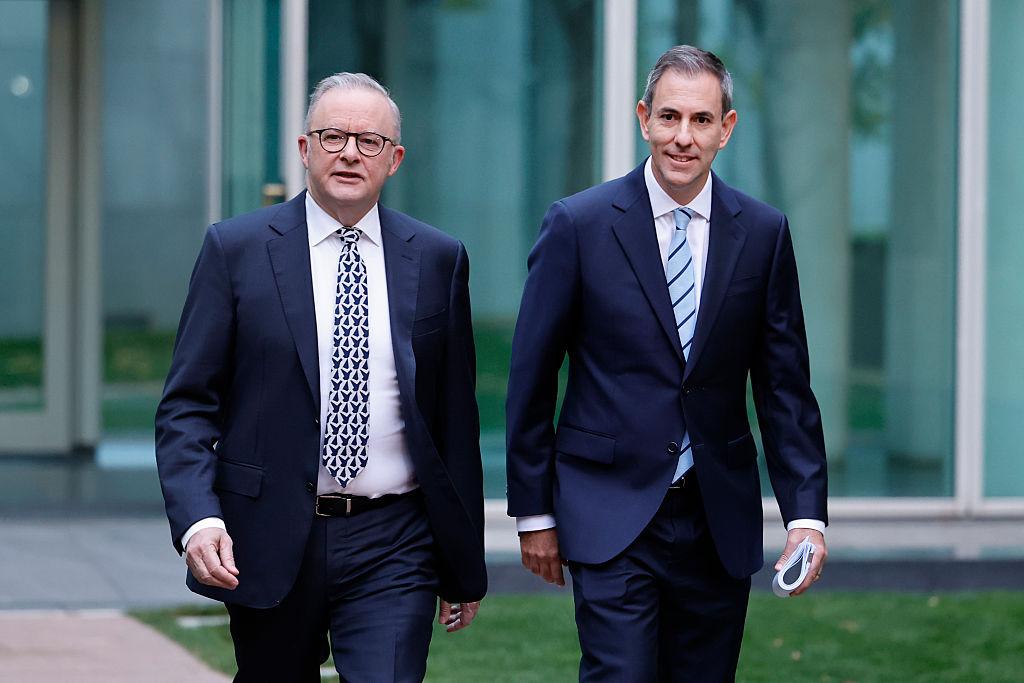
Time and again, Treasurer Jim Chalmers rejected the criticism, insisting the government was delivering responsible economic management.Speaking at an August roundtable, he highlighted two surpluses in Labor’s first term and said last year’s deficit had been halved compared to forecasts.
“We don’t pretend the task of budget repair is finished. It’s never finished,” he said.
Coalition Promises Spending Discipline
Ley outlined the Coalition’s approach going into the 2028 election, pledging to restore fiscal discipline, incentivise work and saving, and offering targeted welfare to the most vulnerable.“Universal, free, everything might sound nice, but in reality, it drains resources from those who need help most,” she said.
“The best form of welfare is a job and a thriving private economy.”
She said the Coalition would set clear fiscal rules, ensure every new dollar of spending was offset by savings, and audit government programs to cut waste.
A Call for Shared Responsibility
Ley also urged the business community to play a central role in restoring growth, warning that productivity has fallen 5 percent under Labor.“A stronger economy is a national project,” she said.
“Business must invest and employ. Government must set the right guardrails and then get out of the way.”