Australia’s expanded first-homebuyer deposit scheme has triggered the sharp price reaction, with housing values experiencing a steep jump just one month after launch.
National prices climbed 1.1 percent in October, the fastest monthly rise in more than two years, outpacing Treasury’s own modelling, which forecast only a 0.5 percent lift spread over six years from the policy.
The program, rolled out on Oct. 1, helps first-homebuyers enter the market with a 5 percent deposit while sidestepping lenders’ mortgage insurance—effectively lowering entry barriers for nearly 200,000 Australians.
But the first full month of data suggests demand has jumped faster than expected, intensifying debate over whether the government has poured fuel on an already-inflamed housing market.
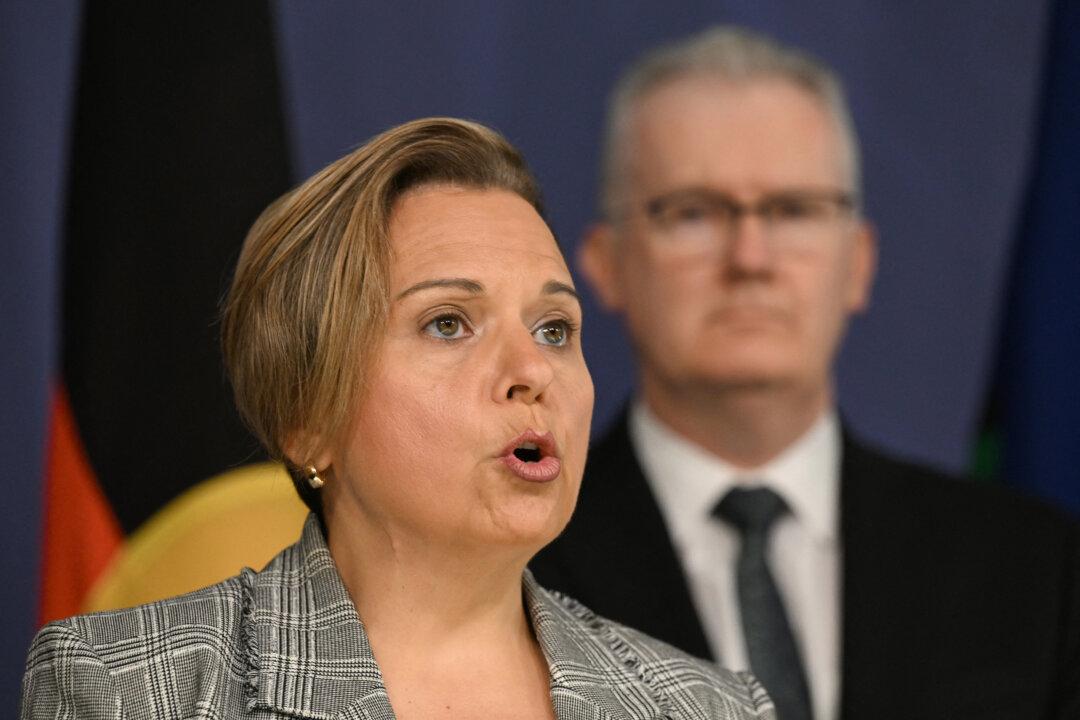
Housing Minister Clare O’Neil pushed back, arguing that price pressures predate the scheme and reflect long-standing structural issues.
“House prices are rising too fast in our country, and this has been an issue for our nation for 40 years now,” she told Sunrise.
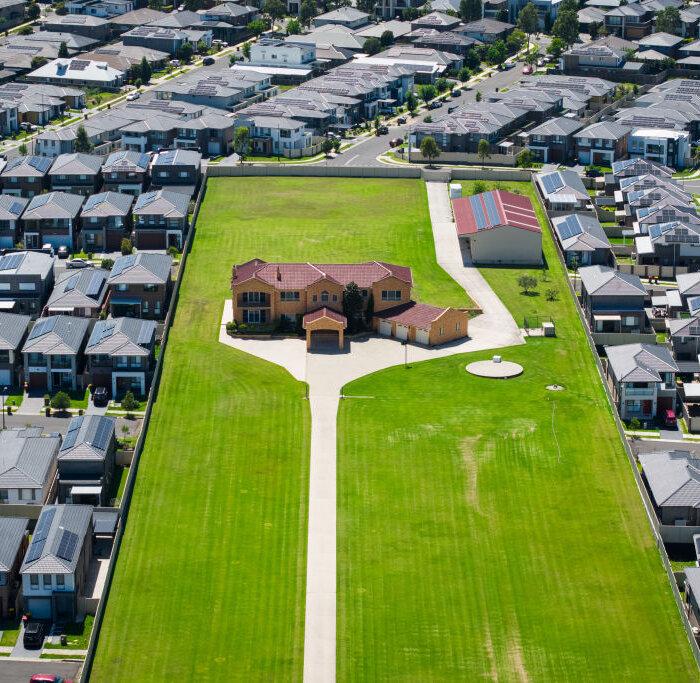
She defended the scheme’s role in boosting home ownership, saying it has “gotten 197,000 young people into their first home where they otherwise wouldn’t have that opportunity.”
“They’re paying off their own mortgage rather than someone else’s. They’ve got safety and security now,” she said.
O’Neil denied the policy was the trigger for the recent price jump.
“I’ll release some numbers soon, which show that the government’s changes to the 5 percent deposit programme are not the primary driver of what’s going on in home building,” she said.
Coalition Says ‘We Warned You’
Nationals Senator Bridget McKenzie accused the government of ignoring economic warnings.“You were warned, not just by the Coalition, by economists, that this 5 percent deposit scheme being uncapped would put a lightning match on the housing prices, and that’s exactly what it’s done,” she said.
McKenzie said the price spike reinforced a simple economic principle.
Market Data Signals Tight Squeeze
Fresh Cotality figures confirm housing demand is running ahead of supply.Across capital cities, October’s 1.1 percent rise added more than $10,000 to median values in just one month.
Since February, city values have jumped 5.9 percent on average—equivalent to about $53,700.
The company noted sales volumes are currently tracking 3.1 percent above the five-year average, while listings are 18 percent below normal levels. That imbalance has kept auction clearance rates in the high-60 percent to low-70 percent range despite rates remaining high.
The firm acknowledged the scheme’s launch as one factor among many.
“The step up in growth rates also coincides with the expanded 5 percent deposit guarantee scheme going live on October 1st, which has likely added to housing demand, especially around the lower to middle price points of the market,” it said.
The report also pointed to rental shortages, population growth, and slow construction as reinforcing price pressures.
RBA Flags Risk Exposure
Reserve Bank of Australia Governor Michele Bullock, facing a Senate Committee in October, said surging prices are primarily a supply issue but conceded the scheme could increase financial risks for individuals entering with smaller deposits.Asked by Senator Andrew Bragg whether the policy could drive higher loan-to-value lending and therefore greater exposure for buyers, Bullock replied, “Yes.”
“They still have a much higher loan-to-valuation ratio, which does mean that if they do find themselves in difficulties … there’s a risk that that may not cover the loan if housing prices decline,” she said.
“And [then] you’re in negative equity. That’s the main outcome.”
Bullock warned the structure could raise systemic risk for lenders, too.
“They’re a risk to individuals in the sense that they’ve got to meet the higher loan repayments, and it’s possible that they may not be able to recover the cost of the loan if the housing prices decline and they need to sell. But then ultimately that’s a risk for the banks.”