Four people are dead and one man is injured following two separate backcountry avalanches in northern British Columbia over the weekend.
Three heli-skiers died on Mount Knauss near Terrace, B.C., while a fourth person was killed during a separate incident near Pleasant Camp, raising total avalanche fatalities in the province to nine this winter.
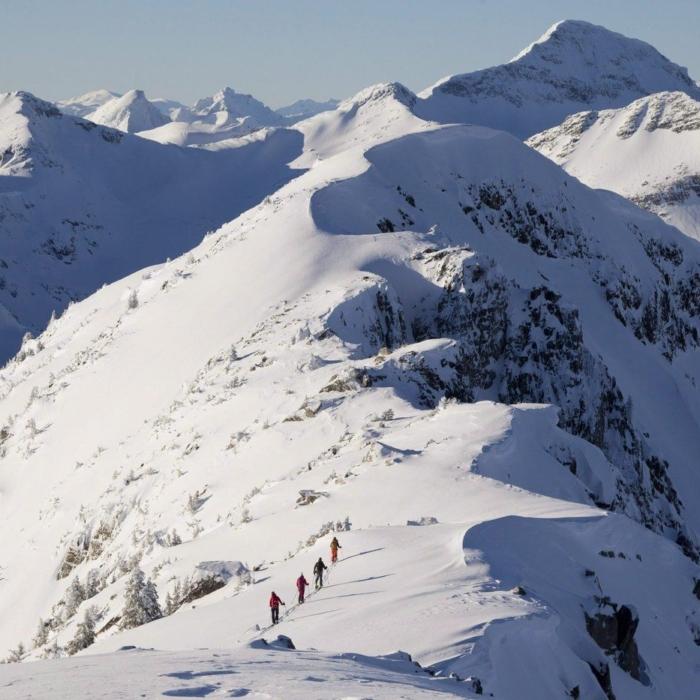
Four heli-skiers were caught in the avalanche on the Iridium Shoulder ski run. Search and rescue volunteers and emergency personnel were deployed to the site, where three skiers were confirmed dead, and a fourth was transported to the hospital via airlift with serious injuries, police said. The injured skier is currently in stable condition.
A second avalanche resulted in the death of one person approximately two hours later near Pleasant Camp, located along the B.C.-Alaska border.
The RCMP said it received an emergency alert at 3:26 p.m. from a Garmin handheld device in the vicinity of the Klehini River, located some 500 kilometres away from Atlin, a community in northwestern British Columbia.
“Upon arrival, responders confirmed that one person was deceased,” the RCMP said. “Five individuals were extracted in total, with four uninjured.”
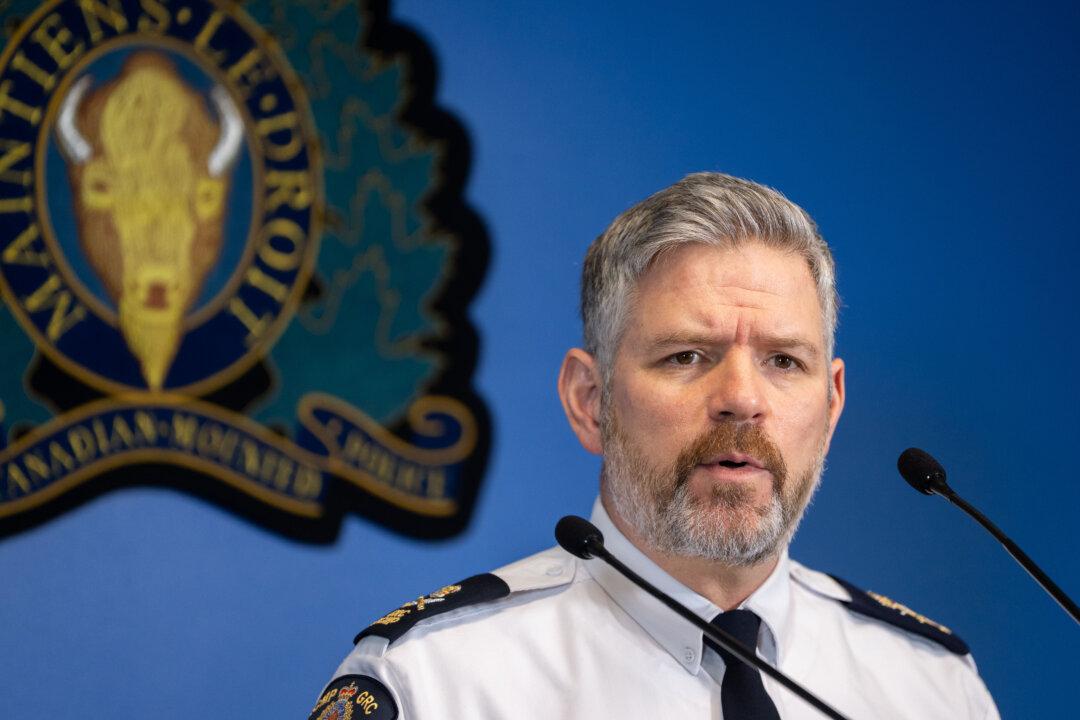
Terrace RCMP said the identities of the victims are not being made public, and the Atlin RCMP has also chosen not to disclose any names.
The B.C. Coroners Service has been alerted and is conducting an investigation into both events, the RCMP said.
A wind slab refers to a compact layer of snow created by the wind moving snow from windward slopes and depositing it onto sheltered slopes. These slabs typically exhibit stiffness, a rounded shape, or a hollow sound, resting atop softer, lighter snow and are commonly located behind ridges, within gullies, and on cross-loaded slopes.
Avalanche Deaths
Avalanche Canada data shows 11 people have died in avalanches since last December. The majority of the deaths occurred in British Columbia, but there were also one avalanche fatality each in Alberta and Quebec.The first death this winter occurred just before the New Year.
A snowmobiler was killed on Dec. 30, 2025, after being buried by an avalanche in the Bullmoose area near Tumbler Ridge in northeastern B.C., according to Avalanche Canada. Three snowmobilers were riding in the Rockies when an avalanche was triggered from the base of the slope.
The organization said one of the three was fully buried and did not survive, despite rescue attempts by fellow riders.