More than one third of women in Australia and New Zealand achieved a live birth from a complete in vitro fertilisation (IVF) cycle in 2022, new research by the University of New Wales Wales (UNSW) shows.
Medical researchers observed 37,810 women and found 59.5 percent had achieved a live birth by their sixth Assisted Reproductive Technology (ART) cycle. The women started their cycle between 2019 and 2020 and were followed until 2022.
Greater Success For Younger Women
Age was a major factor linked to success. Women under 30 had a 70.4 percent success rate, compared to 22.5 percent for women 40 to 44, and 1.3 percent for women over 45.“While female age is a key factor in IVF success, a woman is not a statistic and there are many other factors that play a role in success,” Chambers said.
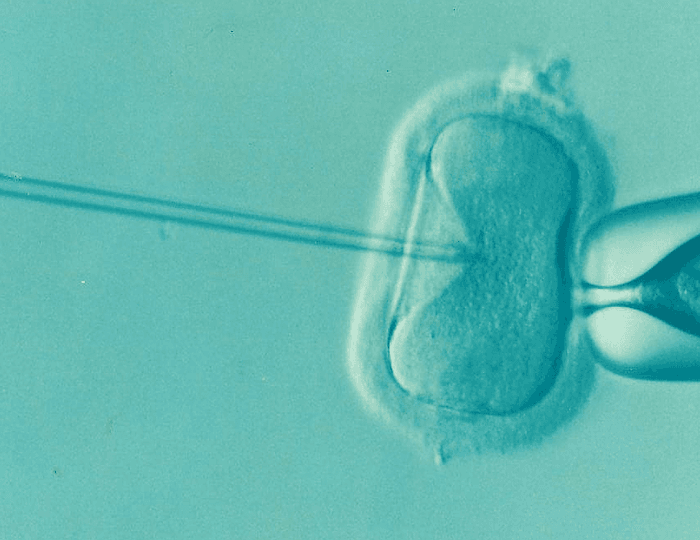

The embryos counted in this study included those that were freshly transferred during the IVF cycle, or those that were thawed after being frozen.
Research showed in 2022, thaw cycles were more successful than fresh cycles, however live births increased for both methods.
Specifically, the birth rate per fresh embryo transfer cycle rose from 24.6 percent in 2018 to 25.9 percent in 2022, while for thawed embryo transfers, it increased from 29.3 percent to 32.1 percent over the same time.
New Zealand-based fertility specialist and vice-president of the Fertility Society of Australia and New Zealand, Dr. Simon McDowell, attributed this difference to multiple factors.
“This improvement is attributed to better synchronization between the embryo’s development stage and the optimal condition of the endometrium during thawed embryo transfer cycles,” he said.
“Unlike fresh transfers, where hormonal stimulation can disrupt the uterine environment, thawed embryos are transferred in a subsequent cycle, ensuring that the endometrium is perfectly primed for implantation.”
How Many IVF Cycles Were there?
Overall, there were 108,913 Assisted reproductive technology (ART) cycles undertaken by 53,237 women, with 100,039 of these cycles in Australia and 8,874 in New Zealand.The report revealed women used their own eggs or embryos in about 94 percent of cycles.
Egg freezing is also on the rise, lifting by 89 percent in 2022 compared to 2020 with 6,899 fertility preservation cycles taking place.
Less Triplets and Twins Born, Australia ‘Leader in Safety’
Meanwhile, the report also showed rates of IVF twins and triplets has hit a record low, reflecting a level of safety.Chambers said, “Our multiple birth rate is among the lowest in the world, and has been achieved at the same time as pregnancy rates have been improving.”
The multiple birth rate following IVF fell from 3.2 percent in 2018 to 2.7 percent in 2022, the lowest level in Australia and New Zealand’s history. Single embryo transfer rose from 90.6 percent to 94.2 percent.
She said Australia has led the way in demonstrating that world-class success rates can be achieved by transferring one embryo at a time.
“This low rate is primarily the result of single embryo transfers. For example, the average single embryo transfer rate in Europe is around 54 percent, which is why they see higher multiple birth rates, so overall Australia really is a leader in IVF safety.”
Fertility Society of Australia and New Zealand President and senior embryologist Petra Wale said the rise in single embryo transfers had been “crucial” in ensuring that most babies born through IVF are healthy, full-term singletons.