Community, think tank, and human rights organizations across Canada are calling on the federal government move ahead with the full implementation of Canada’s foreign influence transparency registry and finalize the appointment of its commissioner.
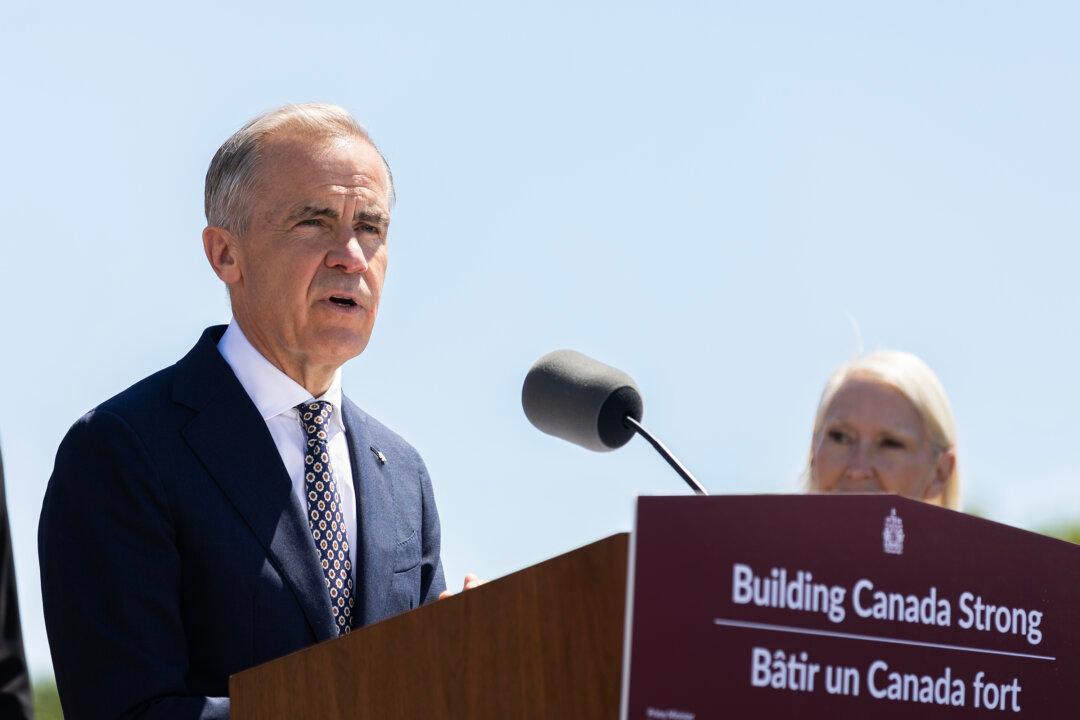
In a June 11 letter to Prime Minister Mark Carney, 33 organizations called on Ottawa to “fully implement” the Foreign Influence Transparency and Accountability Act (FITAA), legislation that came into force in 2024 to help address foreign interference in Canada.
“We applaud the efforts made to date in this regard,” the groups wrote.
The groups cited January’s public consultations on the proposed foreign influence regulations and the March appointment of former B.C. chief electoral officer Anton Boegman as the proposed Foreign Influence Transparency Commissioner, calling both “welcomed steps towards the full implementation of FITAA.”
“The Office of the National Counter Foreign Interference Coordinator has been, and will continue to be, crucial in ensuring a whole of government approach to foreign interference, as informed by ongoing cooperation and consultation with civil society actors most impacted by campaigns of foreign interference,” the letter said.
However, the signatories noted that additional steps are still required to “adequately” implement FITAA before the commissioner can carry out his mandate effectively.
The letter was issued on behalf of the Canadian Coalition for a Foreign Influence Transparency Registry and Human Rights Action Group, with support from multicultural community groups, think tanks, and human rights organizations across Canada.
Recommendations
The groups made several recommendations, including that the government finalizes and publishes the FITAA regulations as soon as possible, incorporating feedback provided during the public consultation period.The letter also said the government should make efforts to build and maintain “institutional knowledge” on foreign interference and transnational repression, including through stronger with affected communities to foster trust.
In addition, it urged the prime minister to ensure both the commissioner and the Office of the National Counter Foreign Interference Coordinator are “adequately resourced” to fulfill their mandates, and to avoid further delays in finalizing Boegman’s appointment.
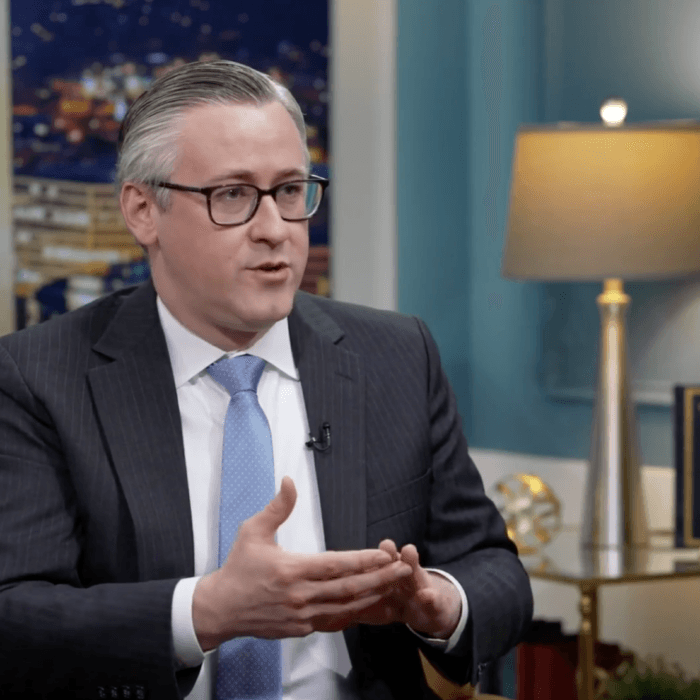
Gloria Fung, co-convenor of the Canadian Coalition for a Foreign Influence Transparency Registry, noted it has been two years since Parliament passed Bill C-70, which enacted FITAA and allowed for the creation of the registry to track individuals in Canada acting on behalf of foreign states, as well as the appointment of the commissioner.
“There are signs of resurgence of foreign interference from identified active players on Canadian soil,” Fung said in a statement.
Registry Delay
Although the government announced Boegman’s appointment as Foreign Influence Transparency Commissioner in March, the long-awaited registry has yet to become operational.Boegman’s appointment came more than 18 months after Parliament moved to establish the position, along with the registry. Public Safety Canada had said the registry would be operational by June of last year—a timeline that was then pushed to last fall.
The federal government has said the registry is needed because countries seeking to advance political objectives through foreign interference may employ people to act on their behalf without disclosing their ties.
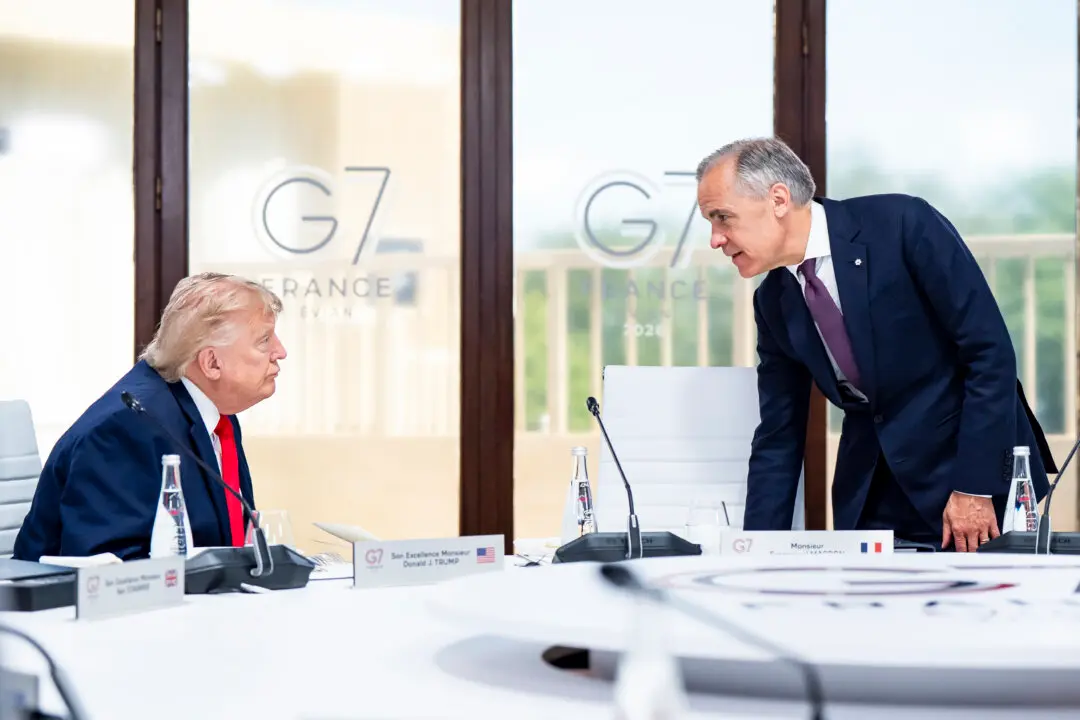
While Carney described China as the “biggest security threat” to Canada during the 2025 federal election campaign, his government has since made efforts to increase ties with Beijing in a bid to diversify trade away from the United States amid tariffs imposed by the Trump administration.