New South Wales (NSW) Health has issued an urgent warning for Sydney residents after three people were diagnosed with Legionnaires’ disease in Potts Point, Sydney.
On June 19, authorities revealed three people who did not know each other and are aged between their 40s and 70s contracted the disease. They have all been sent to the hospital.
NSW South Eastern Sydney Local Health District said in a statement provided to The Epoch Times that Legionnaires’ disease did not spread from person to person.
“Outbreaks sometimes occur when bacteria from environmental sources such as cooling towers atop large buildings become contaminated,” the statement said.
Environmental health officers from NSW Health have been investigating and sampling all cooling towers within 500 metres of the homes of residents who have contracted the disease.
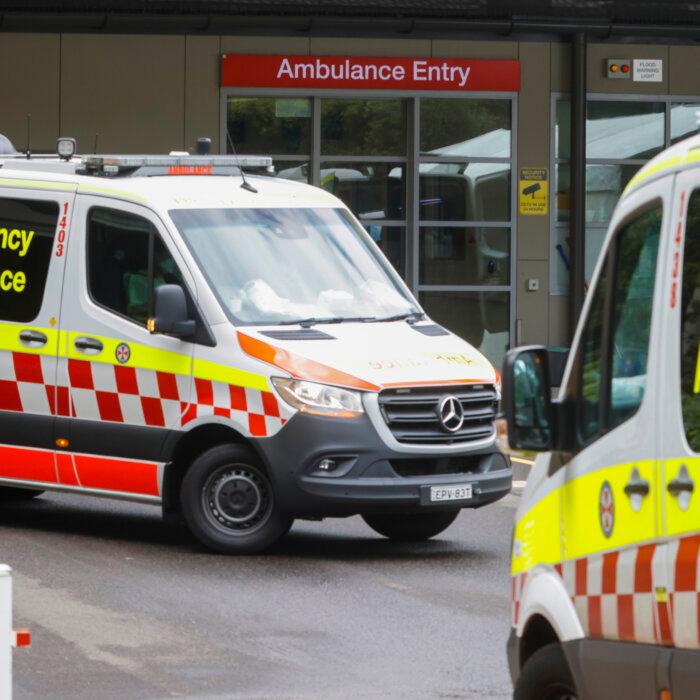
Further, all managers in the investigation area have been directed to disinfect their systems.
The local health district’s Public Health Unit director, Vicky Sheppeard, said Legionnaires’ disease could develop up to 10 days after exposure.
“People can be exposed to the bacteria if contaminated water particles from a cooling system are emitted into the air and breathed in,” Sheppeard told The Epoch Times.
“People who develop this disease are diagnosed by a urine or sputum test and chest X-ray and usually require antibiotic treatment in hospital. Those most at risk are elderly people, people with underlying lung or other serious health conditions, and people who smoke.”
Building owners were advised to make sure their cooling towers were operated and maintained in compliance with the NSW Public Health Regulation 2022.
More About Legionnaires’ Disease
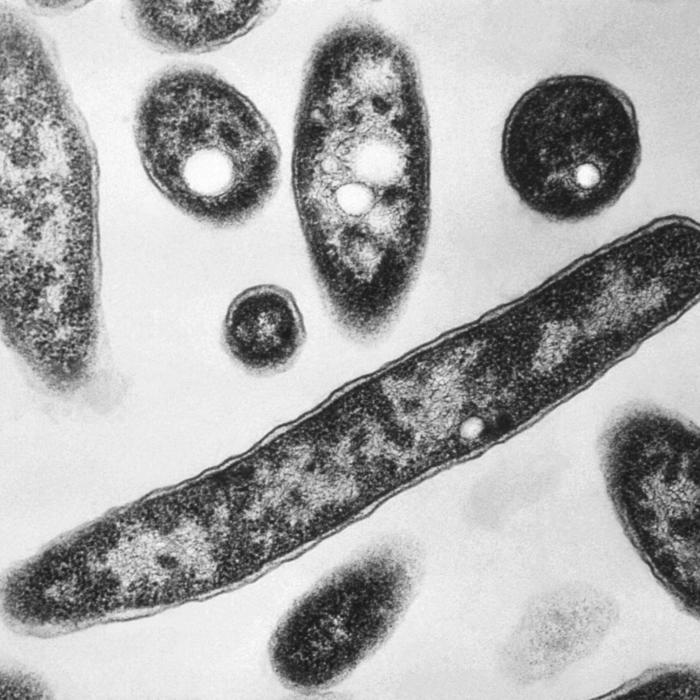
Legionnaires’ disease symptoms include chills, fever, cough and shortness of breath. In some patients, symptoms can also include muscle aches, headache, tiredness, loss of appetite, and diarrhoea.The disease is spread after an individual inhales contaminated water, droplets or dust. The two common Legionella species in NSW are Legionella pneumophila and Legionella longbeachae.
Pneumophila is found in air conditioning cooling towers, shower heads, and whirlpool spas, while Longbeachae contaminate soil or potting mix.
“People may be exposed to Legionella bacteria at home, at work, or in public places. The time between the patient’s exposure to the bacteria and becoming sick is between two to 10 days,” NSW said.
The disease usually impacts the mid-age or elderly individuals, especially smokers or those with chronic lung disease.
Cooling Towers Have Been Involved in Recent Outbreaks
The latest news follows an outbreak of Legionnaires’ disease in the Sydney Central Business District between March and April that was traced to a cooling tower. There were 12 confirmed cases and one death as a result of the outbreak.The majority of cases were sent to hospital, including multiple admissions to intensive care with severe pneumonia.
Legionnaires’ disease is an urgent notifiable condition in Victoria, requiring doctors to notify the Health Department upon initial diagnosis.