The federal government has announced a new scheme that will offer households up to three hours of free electricity each day, targeting the period when solar energy is most abundant and often unused.
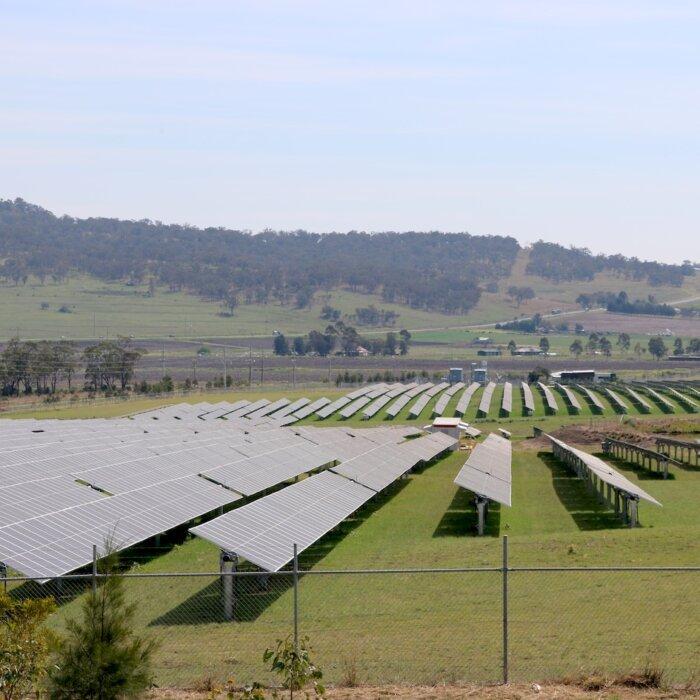
The proposal, called Solar Sharer, is trying to encourage higher electricity use during the middle of the day when the grid is flooded with excess solar power—most of which currently goes unused because people are at work and there is not enough battery storage available.
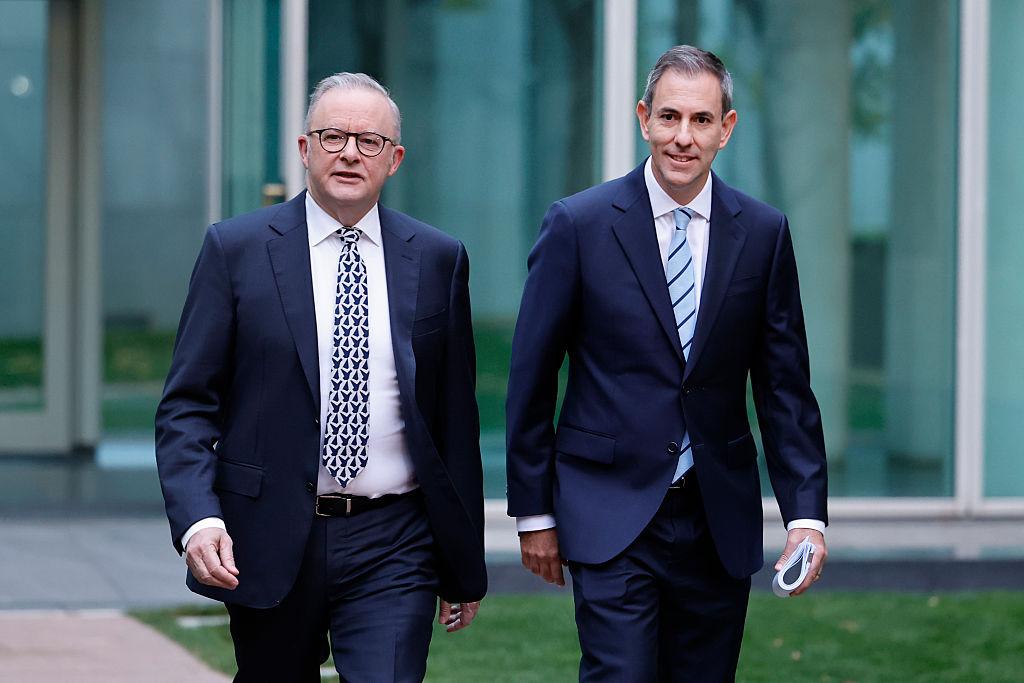
“This is all about making energy more affordable for people in our community and across Australia,” said Treasurer Jim Chalmers on social media.
Chalmers added that anyone who signs up to the offer will be able to use the free window to run appliances such as air conditioners or to charge home batteries.
“This policy will help us make the best use of solar when it’s plentiful and will be available to all people with smart meters in south-east Queensland, New South Wales (NSW), and South Australia from July next year.”
How Solar Sharer Works
Solar Sharer will require electricity retailers to provide the offer to customers in NSW, South Australia and south-east Queensland from July 2026, with a possible national expansion by 2027.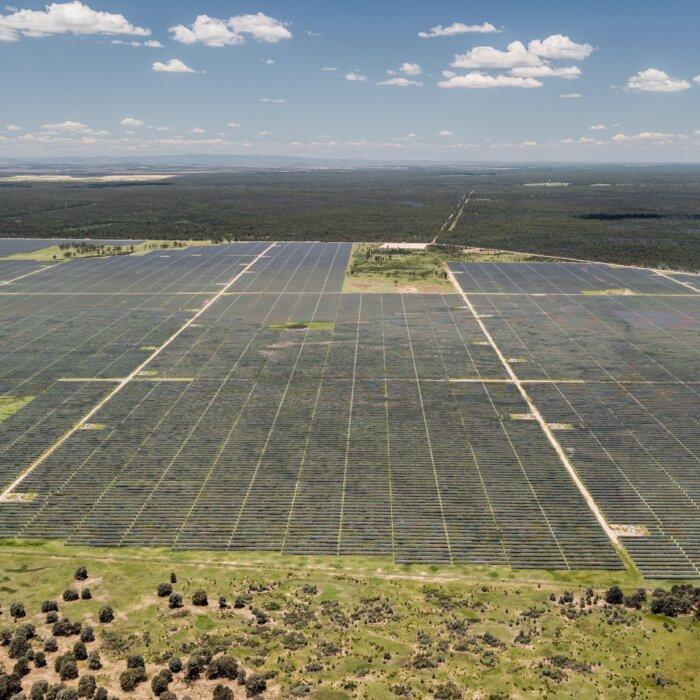
Energy Minister Chris Bowen said those that sign up will need a smart meter installed and be able to shift their energy usage time to the free period.
“If they choose to take up this offer they will be able to use appliances, run air conditioners or swimming pool cleaners and charge their electric vehicles and home batteries at home during the day for free,” according to a statement from Bowen’s department.
Energy Anxiety Continues
The Solar Sharer announcement lands amid rising anxiety over Australia’s energy outlook.Last month, Tomago Aluminium—one of the country’s biggest energy users and aluminium smelters—warned soaring power costs could force the closure of its smelter once its current electricity contract ends in 2028.
Opposition Leader Sussan Ley said the case reflected broader national risk.
“If Tomago Aluminium is worried about its future, it means the whole country should be worried about its energy outlook, too,” she said during a visit to the plant.
Meanwhile, the government is facing pressure over its energy rebate scheme, which is due to expire before the end of the year.
Assistant Treasurer Daniel Mulino acknowledged the rebates have eased cost-of-living pressures but stressed they were never intended to be permanent.
“The treasurer and the prime minister have indicated that they’re not permanent. They’re not going to be a permanent feature of the budget, and so we’re going to have to review them from budget update to budget update,” he said on Sky News.
The next Mid-Year Economic and Fiscal Outlook is due in December when there will be clarity on whether the relief measures will be extended.