Two years after Australians voted down the Indigenous Voice to Parliament, the proposal continues to stir strong emotions.
Supporters see it as a lost opportunity for recognition and reform, while critics call it a divisive experiment that risked reshaping the nation’s democratic foundations.
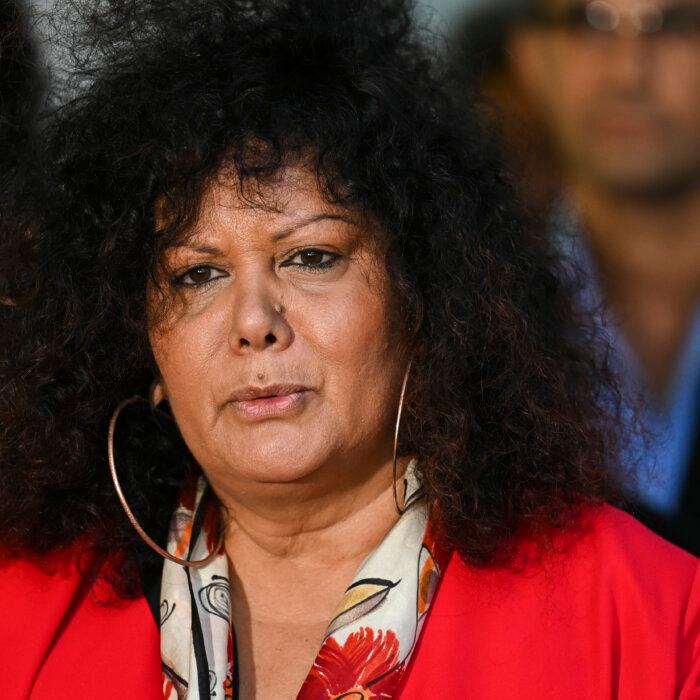
Liberal Senator Jacinta Nampijinpa Price said The Voice would have granted one group of Australians special privilege based on ancestry.
“The Voice would have divided us by race,” she said on Facebook. “It would have undermined the fundamental democratic principle that all Australians are treated equally under the law.”
Price argued the proposal was not the “gracious request” its advocates claimed.
“Activists who championed The Voice called it ‘a black political force to be reckoned with’ and ‘the first step in redistributing power,’” she said.
She accused Prime Minister Anthony Albanese of dismissing legitimate criticism.
“When Australians raised reasonable questions about his proposal, the prime minister resorted to insults, calling them ‘chicken littles’ and ‘doomsayers.’”
Price said the referendum had cost $450 million and left the country more divided, adding that “the path ahead must be one of unity … where we celebrate the achievement of modern Australia which exists thanks to our Indigenous heritage, British inheritance, and migrant contributions.”
Liberal Senator Michaelia Cash called it a plan to divide our nation by race.
“The message was clear: we believe in practical outcomes, not ideological experiments from Canberra. Australians chose unity over division—and they’d do it again tomorrow,” she wrote on X.
A Missed Chance for Reform: Advocates
For some Indigenous advocates, the referendum loss remains deeply painful.Allira Davis, co-chair of the Uluru Youth Dialogue, said the campaign had changed how Australians think about history and power.
“The Referendum campaign didn’t just ask people to vote for constitutional change: it created millions of conversations,” she told AAP.
“People who have never thought about certain parts of Australia’s history … are now having these important conversations.”
Uluru Dialogue co-chairs Pat Anderson and Megan Davis said, “First Nations people still have no voice, and this manifests in the relentless and unyielding gap in disadvantage.”
State Efforts Continue
Despite the setback at the national level, Davis said the referendum had shifted Indigenous affairs in lasting ways.“Communities across the country have spent the past two years regrouping and refocusing,” she said.
She pointed to Victoria’s Yoorrook Justice Commission as an example of effective truth-telling.
“It has real powers, real accountability, and it’s paving the way for treaty,” Davis said.
South Australia’s Voice to Parliament was another positive step, she added.
However, Davis was also critical of the Queensland LNP government’s decision abandoning its truth-telling inquiry.
“These processes must be protected from politics, resourced properly, and allowed to do the deep work of healing and truth,” she said. “They’re part of our national story of reckoning and repair.”