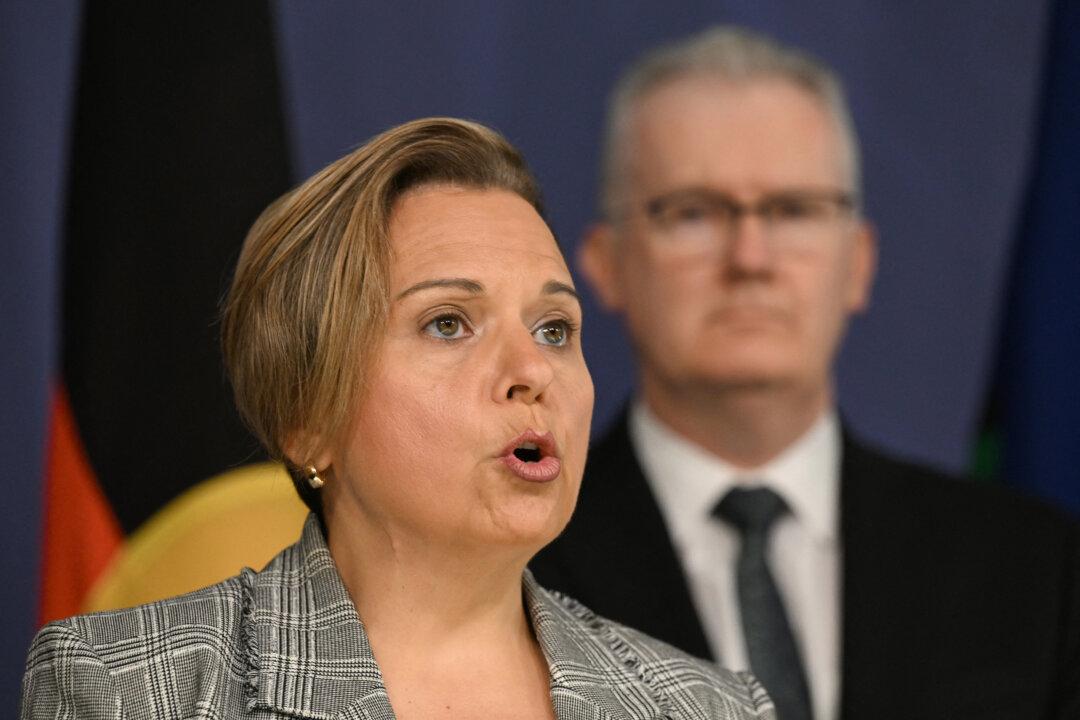
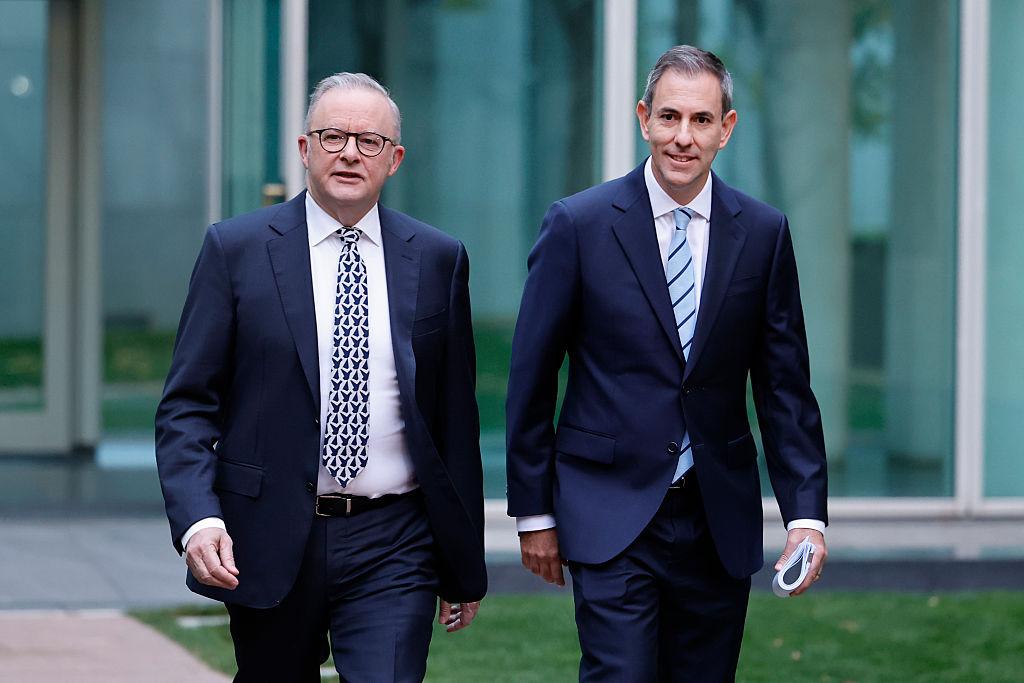
After two high-profile IVF mix-ups in less than a year, Health Minister Mark Butler says the government is considering a national regulator to restore confidence in the industry.
Health Minister Mark Butler said confidence in the industry had been shaken and the time for change had come.
“There is a strong argument to consider a single national scheme of regulation,” he told ABC News. “Frankly, about taking regulation out of the hands of the industry itself.”
For decades, IVF in Australia has largely operated under self-regulation, but Butler says that approach no longer inspires trust.
“Self-regulation isn’t working, and I don’t think it’s inspiring the confidence that parents need,” he said.
Butler revealed that a rapid review, ordered after the first mix-up earlier this year, will deliver its findings next week.
8 Systems, 1 Nation
At present, IVF is governed by eight different regulatory systems across the states and territories.Butler, who is himself a father of an IVF child, argued that a fragmented approach is no longer fit for purpose, given how common the treatment has become.
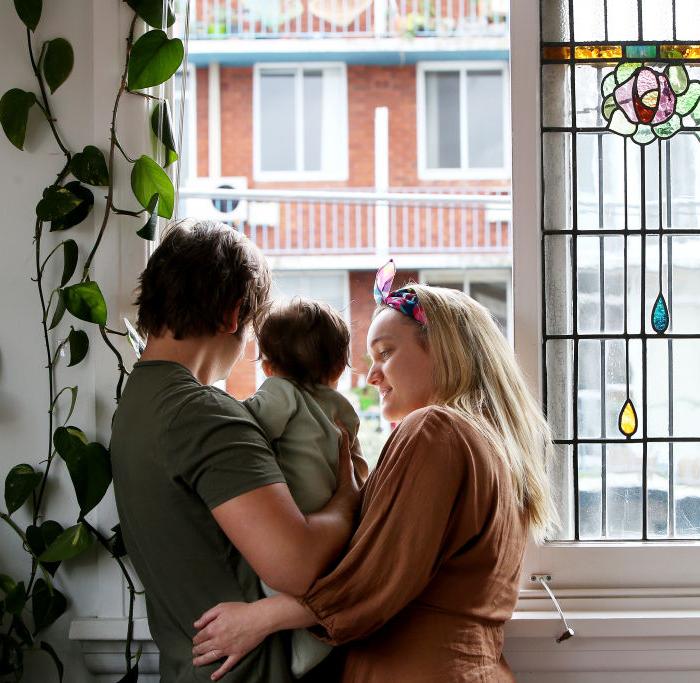
“This is pretty mainstream now. About 20,000 IVF babies are born every year,” he said. “That’s why when we last met as a group of health ministers, we resolved to undertake a rapid review of our laws.”
IVF regulation, he explained, evolved from state-based children’s hospitals, which left oversight scattered at the state and territory level.
A national scheme, he argued, would provide consistency and strengthen safeguards.
Embryo Errors Shake Families’ Trust
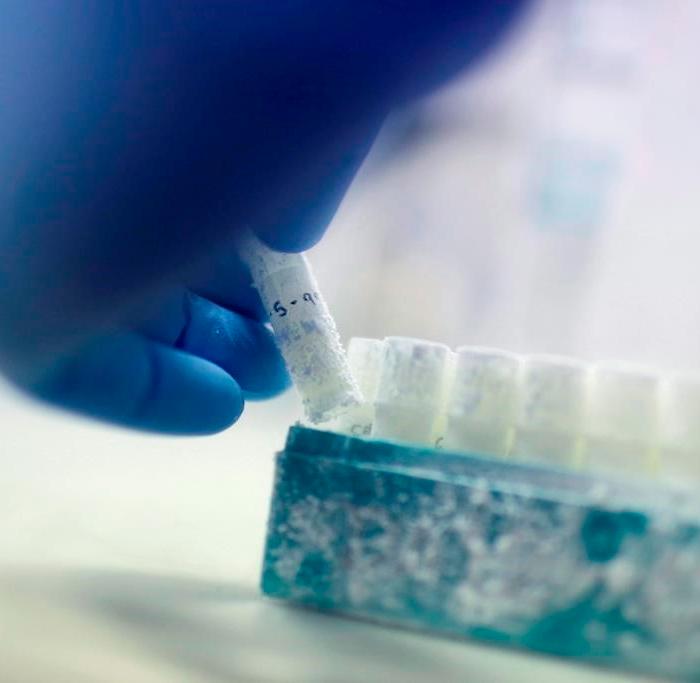
The push for reform comes after two serious incidents, both under the Melbourne-based Monash IVF.In Brisbane, a woman was implanted with another patient’s embryo, giving birth to a child with no genetic link to her. The error only came to light when the birth parents later requested a transfer of their remaining embryos and an extra embryo was found.
A similar case emerged months later at a clinic in Victoria.
Both were described as “human error” but have raised deeper questions about safety protocols.
Under current law, the birth mother and her partner are automatically recognised as the legal parents. But Melbourne Law School’s Ian Freckelton KC said the genetic parents could still seek custody.
“Something has gone seriously wrong, so that suggests a protocol that’s inadequate or a failure to adhere to the protocol,” he said.
The Brisbane case saw passing the buck between the states.
The Victorian government said it expected Queensland regulators to handle the investigation since the mix-up took place in Brisbane.
Meanwhile, Queensland Health said the incident took place before tougher laws came into force in September 2024.
Emotional Fallout Beyond the Clinics
Advocacy groups say the mistakes have rattled families far beyond the clinics involved.Samantha Payne from the Pink Elephants Support Network warned the errors could trigger painful emotions among IVF patients.
“There will be people who will be deeply triggered by this and they’ll want some reassurance around their own experiences of fertility, around the children that they may or may not have had through IVF,” she said.
Payne said many families undergoing treatment will now be seeking greater transparency and guarantees of safety.