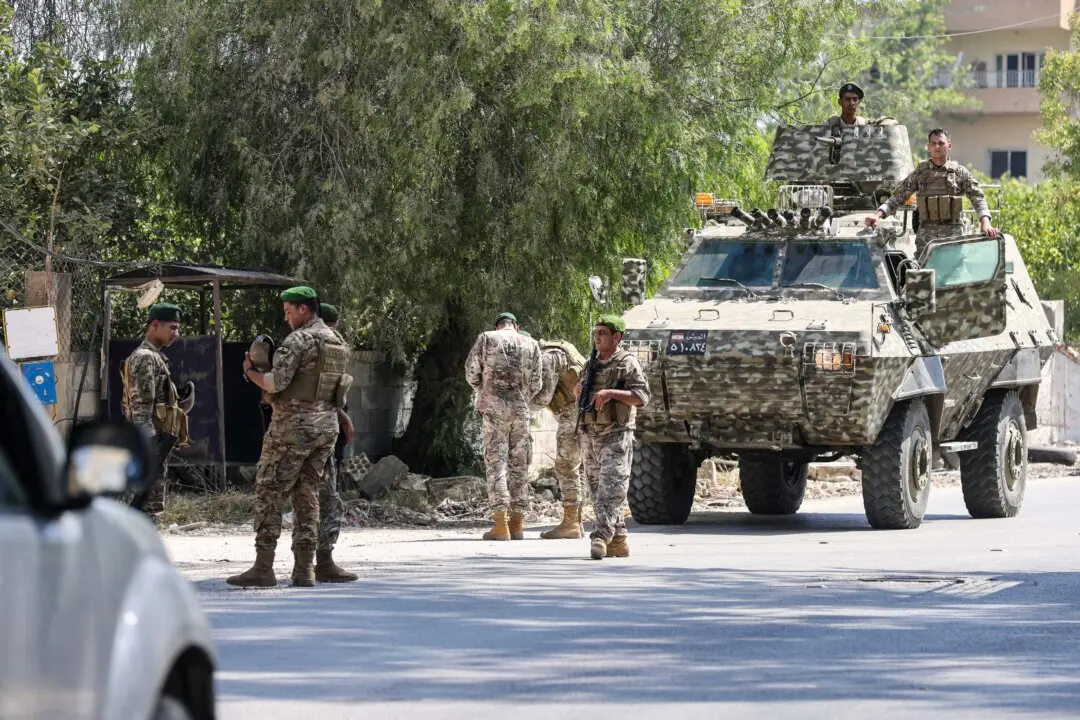
A U.N. refugee agency has stated that the Ebola outbreak in eastern Congo has spread into a crowded displacement camp for the first time.
The Office of the U.N. High Commissioner for Refugees (UNHCR) stated in a June 9 report that two Ebola-related deaths have been reported at Kpangba camp in Ituri Province, a site that hosts about 30,000 internally displaced people.
“Transmission risk remains high across eastern [Congo] due to weakened infrastructure and a highly volatile protection environment,” the UNHCR stated.
The warning comes as health officials report a sharp increase in infections linked to the Bundibugyo strain of the Ebola virus, a disease that causes severe hemorrhagic fever and can be fatal.
The Congolese Ministry of Communication and Media stated on June 11 that it had recorded 635 cumulative confirmed cases and 127 deaths as of June 9.
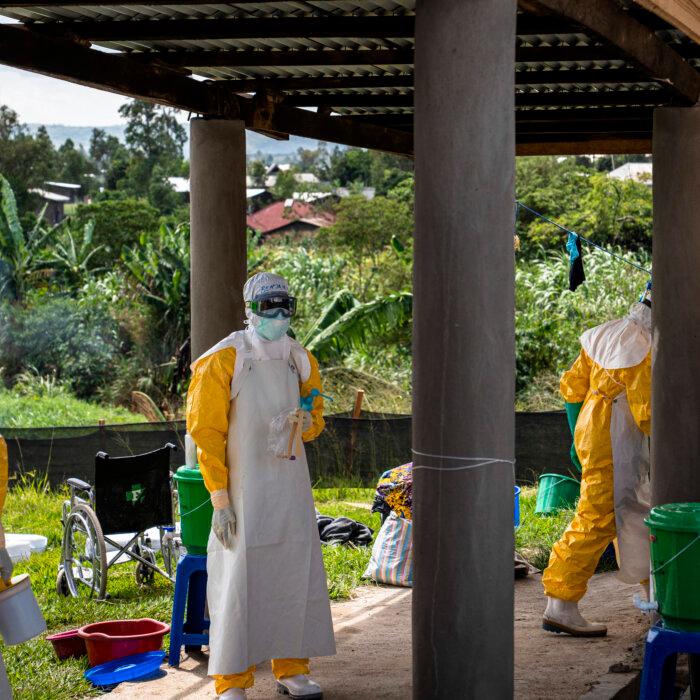
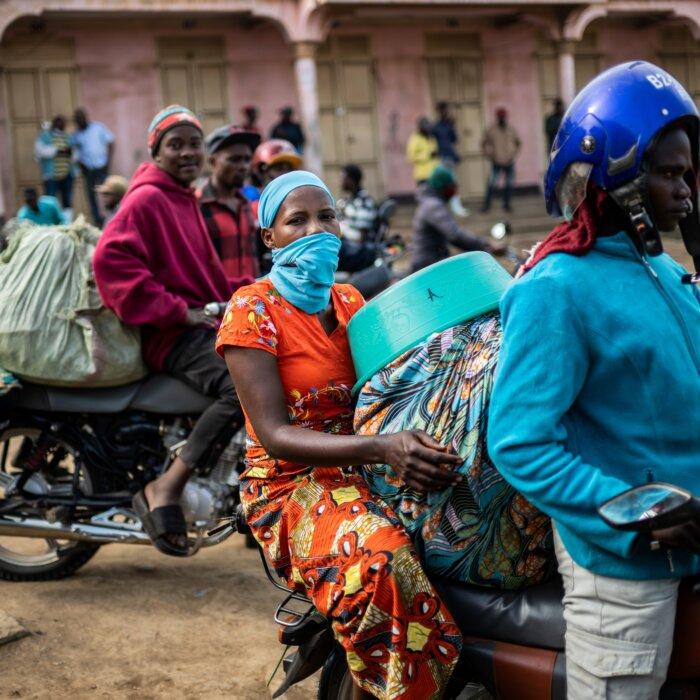
The ministry also reported that contact tracing had reached only 61.1 percent of identified contacts, well below the operational target of 95 percent.
The outbreak was officially declared by the Congolese Ministry of Health on May 15.
The Bundibugyo virus is likely transmitted through direct contact with an infected person’s body fluids, according to the U.S. Centers for Disease Control and Prevention. The symptoms typically develop between two and 21 days after exposure.
Conflict Complicates Response
The provinces at the center of the outbreak have endured decades of armed conflict and humanitarian crises.The UNHCR stated that more than 2 million forcibly displaced people, including more than 320,000 refugees, live in areas considered at risk. The agency noted that more than a year of intensified fighting in eastern Congo has damaged health infrastructure, restricted humanitarian access, and disrupted services for civilians.
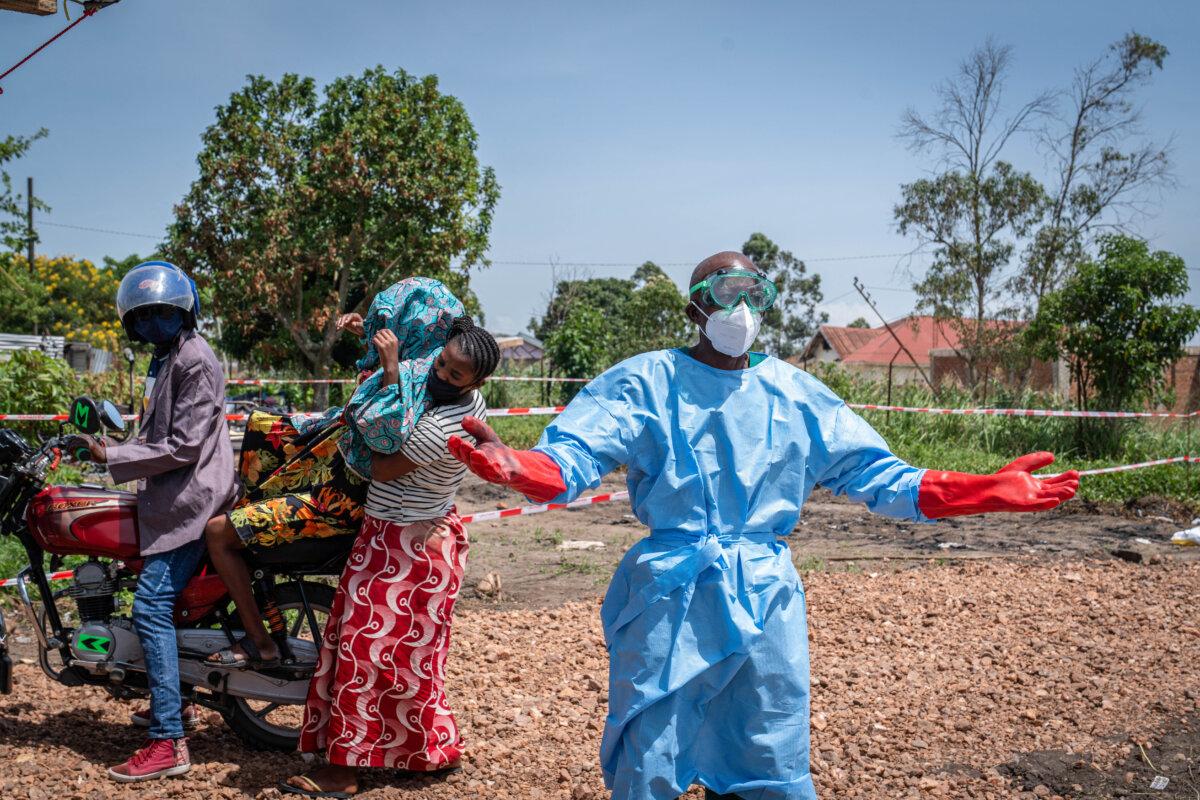
Those conditions have made it harder to monitor infections and provide medical care.
Human Rights Watch warned that years of conflict and mistrust could undermine efforts to contain the outbreak.
“The Congolese government and international partners should prioritize community engagement and limit the role of security forces in responding to the Ebola outbreak,” the organization said in a June 11 statement on X.
Regional Risk
The UNHCR warned that neighboring countries also face elevated risks because of ongoing refugee movements. The agency stated that reception and transit centers in Uganda, which hosts more than 2 million refugees, are operating at about 190 percent of capacity.Burundi, Rwanda, and South Sudan were identified as facing heightened transmission risk due to cross-border population movements.
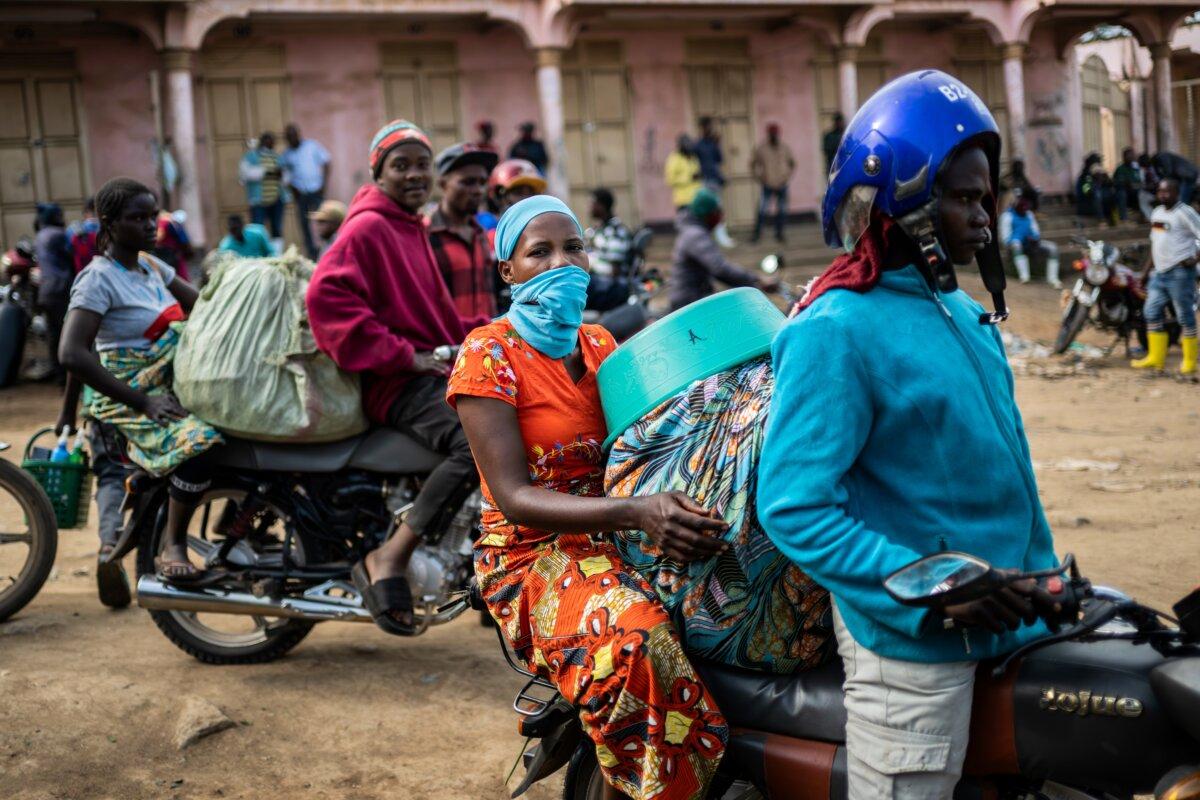
World Health Organization officials have warned that the outbreak may be larger than official figures suggest.
US Expands Ebola Response
The U.S. State Department announced June 10 that it would provide an additional $20 million to support Ebola preparedness efforts in Burundi, Kenya, Rwanda, and South Sudan.The funding will support emergency operations centers, disease surveillance, testing, border screening, infection prevention measures, and the distribution of medical supplies.
The State Department noted that its direct funding for Ebola response and preparedness efforts now exceeds $220 million.
“The United States continues to be the largest financial contributor to the Ebola response,” the department stated.
The CDC stated that it has expanded preparedness efforts in the United States, including support for diagnostic testing at more than 40 laboratories and guidance for healthcare providers.