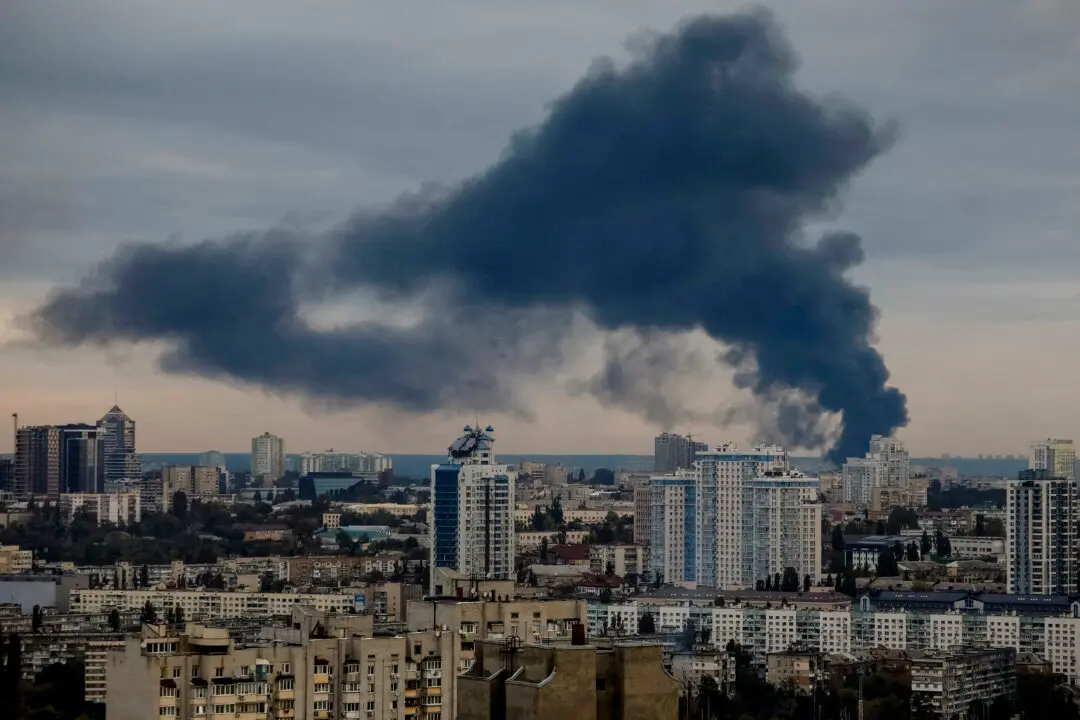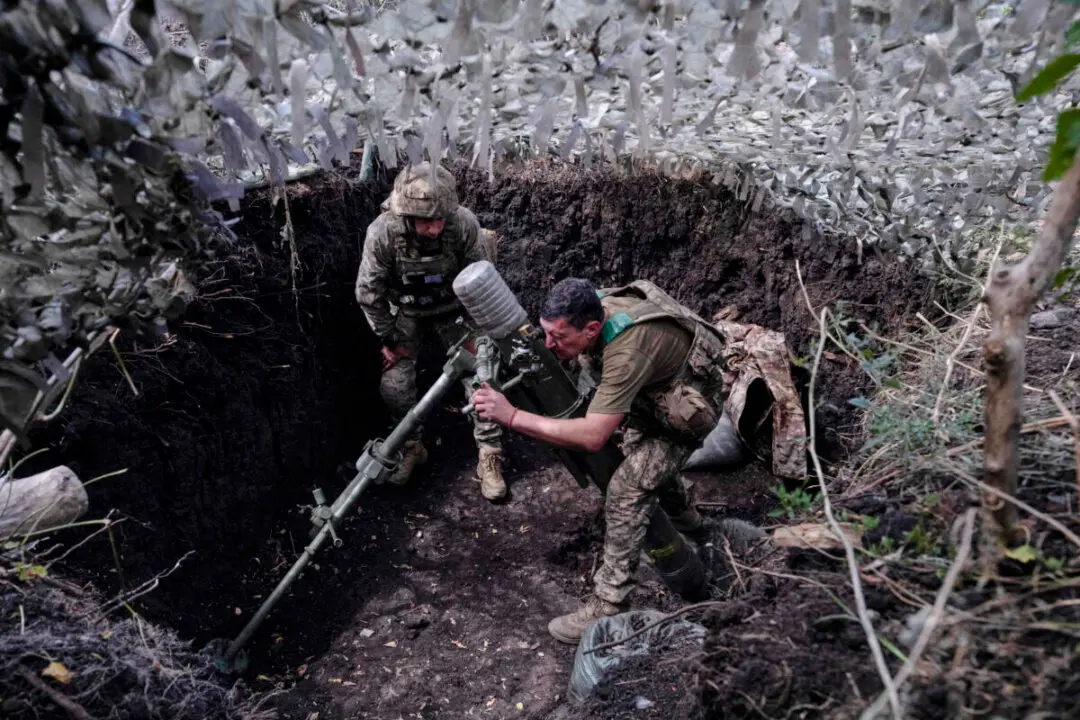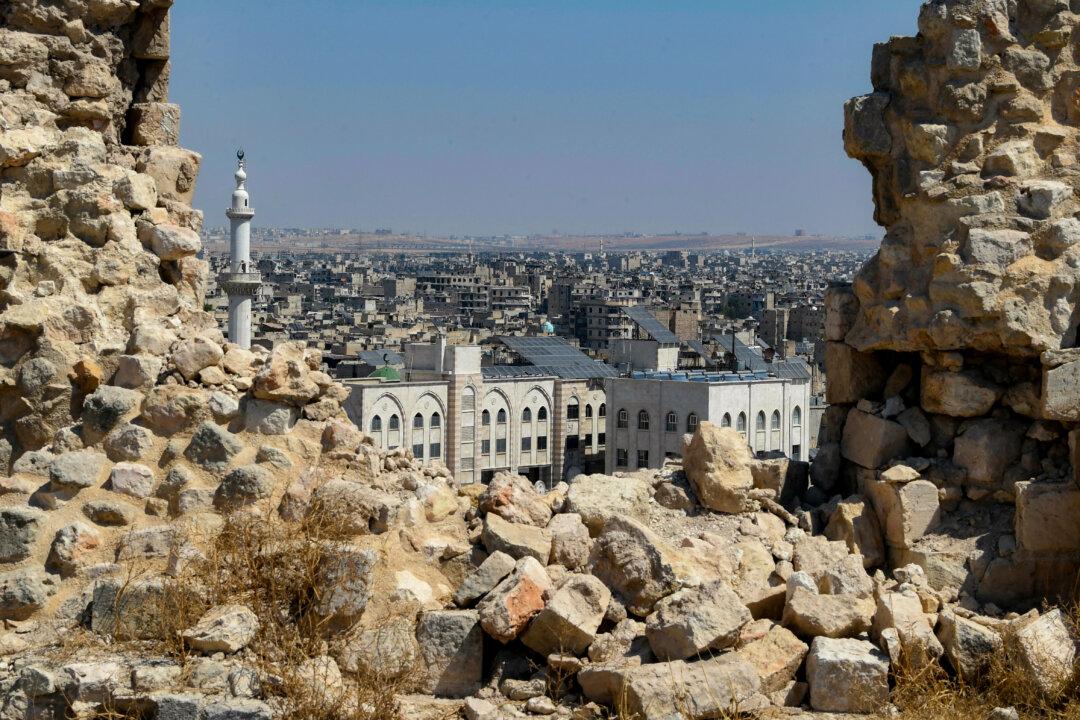
At least 18 government soldiers have been killed in steadily mounting sectarian violence in Syria’s southern Sweida province, the country’s defense ministry has said.
Abdul Ghani said the attacks had “resulted in the death of 18 of our soldiers and the wounding of several others,” according to the report.
He did not identify the “outlawed armed group” that had allegedly attacked army positions.
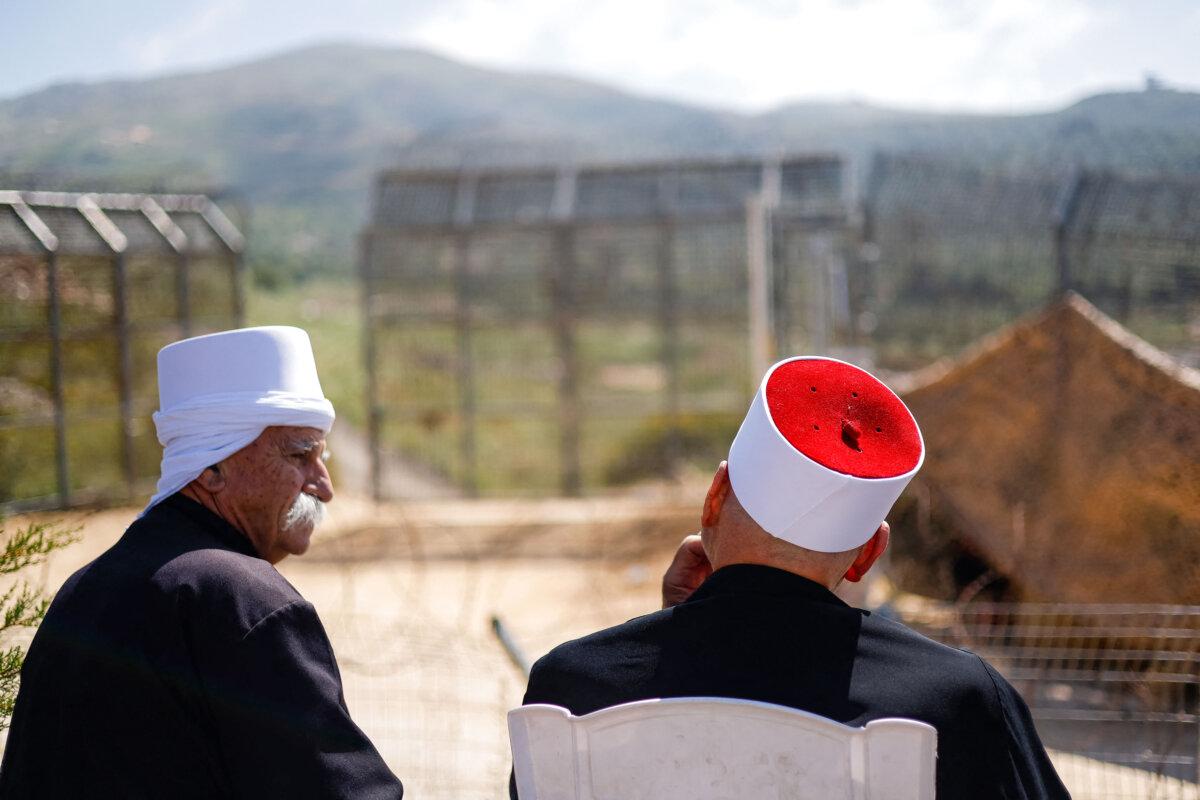
Sweida is home to the region’s largest concentration of Druze, a minority religious sect that adheres to an offshoot of Shiite Islam.
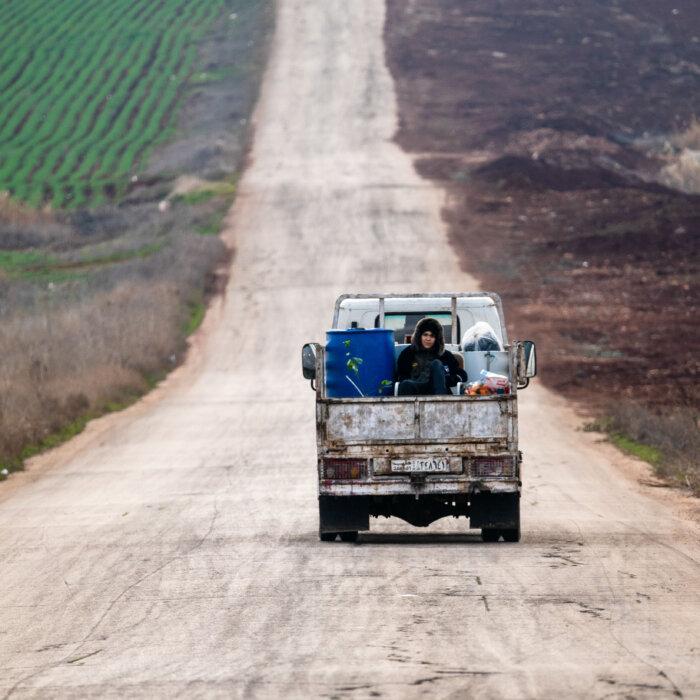

Following the initial clashes, Syria’s interior ministry said that at least 30 people had been killed in the violence.
In a statement, the ministry urged locals to “remain at home and report any movements by outlaw groups, which may resort to using civilian neighborhoods as a launching pad for their operations.”
Citing local sources, it said that government forces had begun striking residential parts of the city with mortar and rocket fire.
The SOHR put the latest death toll at 102, including 61 residents, 18 Bedouin tribesmen, 16 defense ministry personnel, and seven “unidentified persons in military uniform.”
Further offensive actions would only be taken in response to attacks “by outlaw groups,” Abu Qasra said in a statement.
“Sweida neighborhoods will be under the control of Internal Security Forces as soon as combing operations are completed in order to control the chaos,” he said.
Hours earlier, Hikmat al-Hajri, a prominent Druze leader in Sweida, released a video message in which he accused Syrian government forces of bombarding the city in breach of a cease-fire agreement.
“We are being subject to a total war of extermination,” al-Hajri said, calling on Druze community members to “confront this barbaric campaign with all means available.”
On the same day, Israel, which has pledged to “protect” Syria’s Druze minority, carried out strikes against Syrian government forces deployed near Sweida for a second consecutive day.
Persecution Fears
The Epoch Times could not independently verify any of the reports coming out of Sweida.But it would not be the first case of sectarian violence in Syria since the long-ruling regime of former Syrian leader Bashar al-Assad was ousted from power late last year by a Turkey-backed rebel offensive.
That offensive was led by Hayat Tahrir al-Sham (HTS), a militant group with former ties to the ISIS and al-Qaeda terrorist groups.
HTS leader Ahmad al-Sharaa currently serves as Syria’s interim leader.
As HTS has cemented its grip on power, fears of religious persecution have mounted among Syrian minority groups, including Druze, Christians, and Alawites.
In March, Sunni militants in the coastal Latakia province massacred hundreds of Alawites, a Syrian religious minority from which the Assad family hails.
The following month saw fierce clashes between Sunni gunmen and armed residents of Jaramana, a mixed Druze and Christian town on the capital’s outskirts.
On June 22, at least 30 Orthodox Christian worshippers were killed when a suicide bomber blew himself up in a Damascus church—an attack that Syria’s new Islamist rulers blamed on ISIS.