A United Nations (U.N.) review conducted by representatives from 100 nation states has painted Australia as a country where women and girls are subject to violence, Aboriginals and the disabled live in disadvantage, and prisoners are tortured.
Australian Human Rights Commission President Hugh de Kretser said it was “the most important global review of Australia’s human rights record.”
Participating nations are subject to regular peer reviews every five years.
What European Nations Suggested
Many nations called on Australia to increase the age of criminal responsibility, though nations differed slightly in opinion on what that age should be.

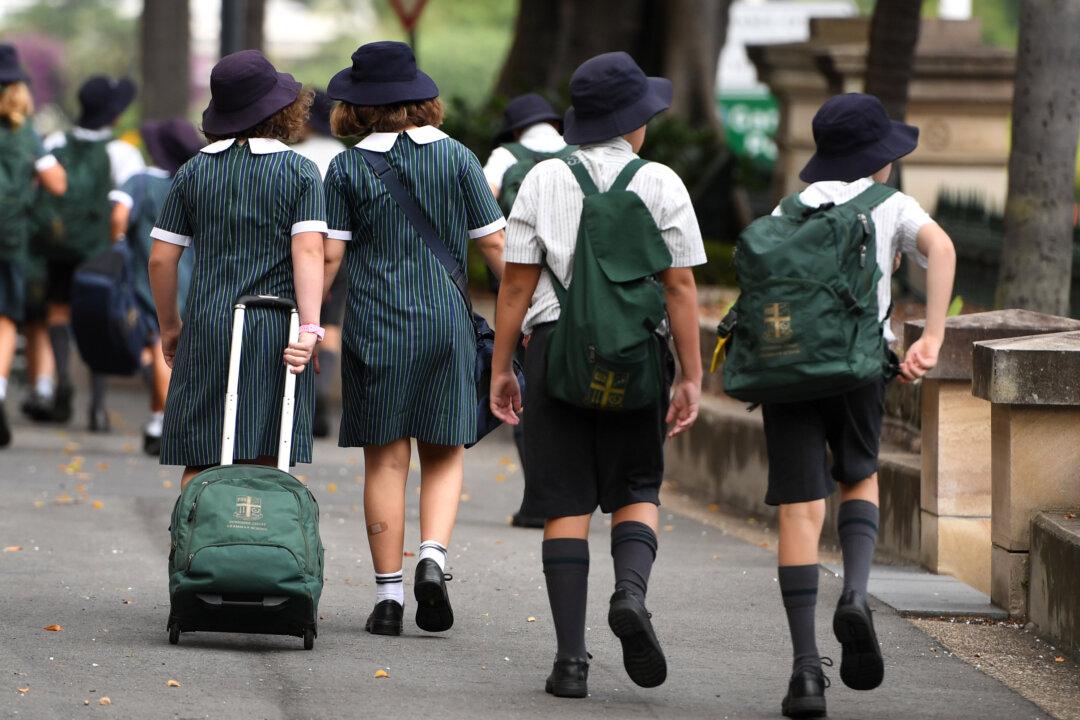
The age of criminal responsibility is currently set at 10 in all states and territories except for Victoria and the Australian Capital Territory, where it sits at 12 and 14 respectively.
Finland representative Heidi Schroderus-Fox recommended Australia raise the age to 14 across the board with Germany sharing the same view.
Schroderus-Fox also called for Australia to end indefinite detention of asylum seekers and the offshore processing of refugees, as well as suggesting funding for public awareness campaigns for LGBT people.
Australia received some praise from French representative Céline Jurgensen, who commended the under-16s social media ban.
But she also called for raising the age of criminal responsibility to 13, a ban on gay conversion therapy practices, and action to stop violence against girls and women, “especially Indigenous women,” she said.
German representative Marie Rambach said the government needed to address all “closing the gap” recommendations for Indigenous Australians.
Asian Nations Share Recommendations
India’s representative Kshitij Tyagi called on Australia to cut down on the number of Indigenous prisoners by addressing the factors that lead to their incarceration—a request echoed by other participants.Achsanul Habib from Indonesia said Islamophobia and other forms of discrimination needed to be dealt with, while claiming Australia needed to provide better access to health, education and employment for Indigenous Australians.
Pacific’s Climate Focus
Pacific nations including Samoa and Fiji raised climate change policy as an area for review.Iran, Iraq Alleges Australia Has Problems With Torture, Violence
The government of Iran, which already has tense relations with Australia, was represented by Fatemeh Mohammadi who alleged issues with Australia’s human rights record.“The Islamic Republic of Iran is deeply concerned about the violation of the rights of Indigenous people, high level of human trafficking, persistent violence against females and girls and systematic violence and abuse against people with disability in Australia,” she said.
“We recommend Australia ban, take immediate and concrete steps to prevent domestic violence against females and girls, to prevent the separation of Indigenous children from their birth families and ensure the right to culture and family identity is fully protected.”
Mohammadi also requested Australia halt all extractive or industrial development on “Indigenous land that proceeds without the free and informed consent of the communities.”
She also said Australia should abolish any form of racial discrimination or Islamophobia through the media or online platforms.
UN’s Concerns Over Iran
Iran is currently waging what the U.N. itself has called “the deadliest crackdown by the government of Iran against its people since the 1979 revolution,” with the elderly, women and children included in the death toll.Addressing the 39th special session of the UN Human Rights Council in Geneva last week, Fact-Finding Mission chair Sara Hossain said credible reports revealed the regime had killed thousands of protesters since anti-regime uprisings began in late December.
“Intentional lethal force can only be used as a last resort when it is strictly necessary to protect life against an imminent threat,” she said.
Australia’s Response to the Review
A number of Australian representatives addressed the review, including CEO of the National Indigenous Australians Agency, Julie-Ann Guivarra, who said there were goals in place to enact “closing the gap” initiatives.“Our goal is clear, to close the gap and ensure equal life outcomes for all Australians,” she said.
The Australian representative explained that Australia had taken steps to improve the lives of prisoners such as exploring non-custodial options and programs to reduce the over-representation of Aboriginals.
“Australia recognises that it must do more to address the over-repreesentation of Aboriginal and Torres Strait Islander peoples in the criminal justice system,” said Kathryn Haigh, the first assistant secretary in the Attorney-General’s Department international cooperation and human rights division.
Haigh also explained that Australian states and territories set their own goals when it comes to the age of criminal responsibility.